- 1
- 1
- 5


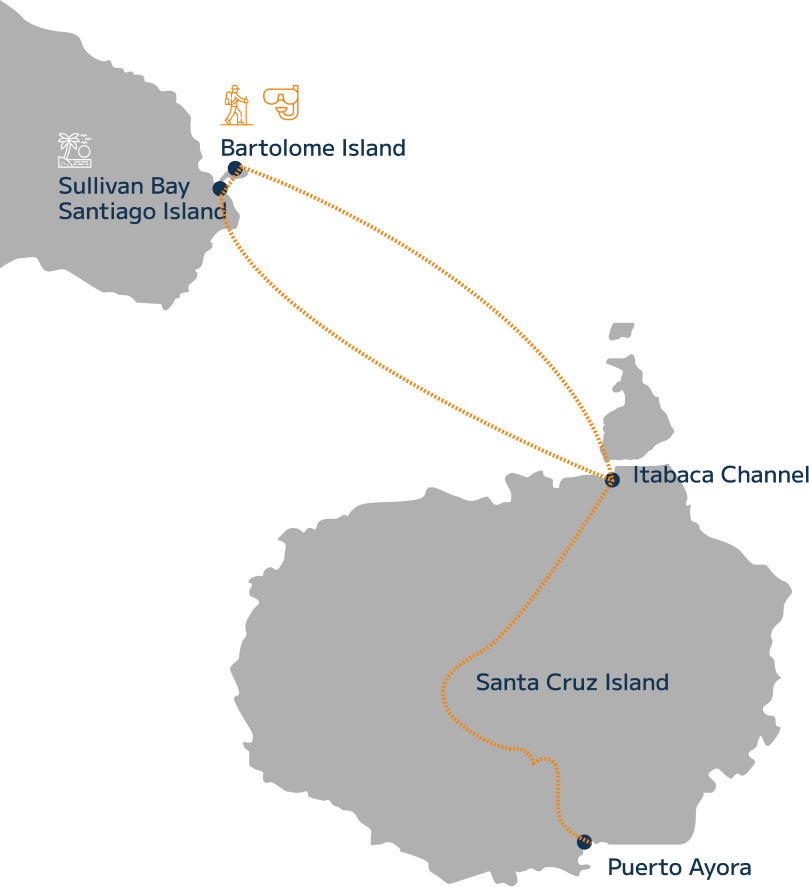
Santa Cruz is the geographical and tourism heart of the Galápagos. Its main town, Puerto Ayora, sits on the southern coast and is the largest population center in the archipelago. With its restaurants, hotels, transportation connections, and wide selection of excursions, it is one of the best places to base yourself while exploring the islands.
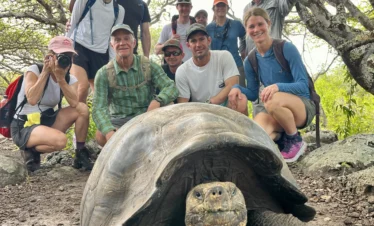
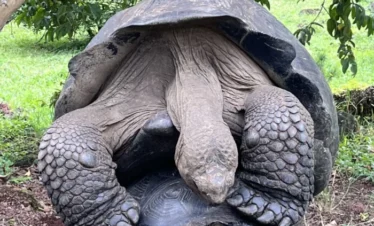
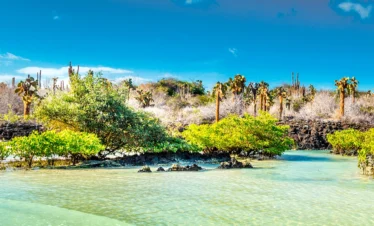
But Santa Cruz is much more than its busy waterfront. Travel inland and the landscape changes dramatically. The island’s highlands are cooler, greener, and covered in lush vegetation, creating ideal habitat for one of the Galápagos’ most iconic animals: the giant tortoise. Wild tortoises can be observed moving through the highlands and surrounding reserves, particularly during the wetter season when they migrate toward areas with more abundant vegetation.
One of the island’s most important conservation sites is the Charles Darwin Research Station, located within walking distance of Puerto Ayora. The station is closely connected with scientific research and conservation programs in the Galápagos, including long-running efforts to protect and restore giant tortoise populations.
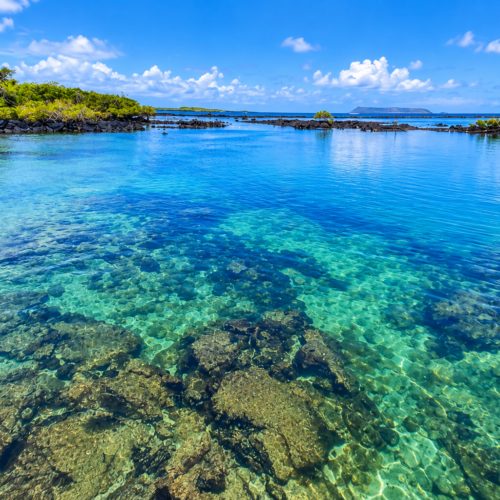
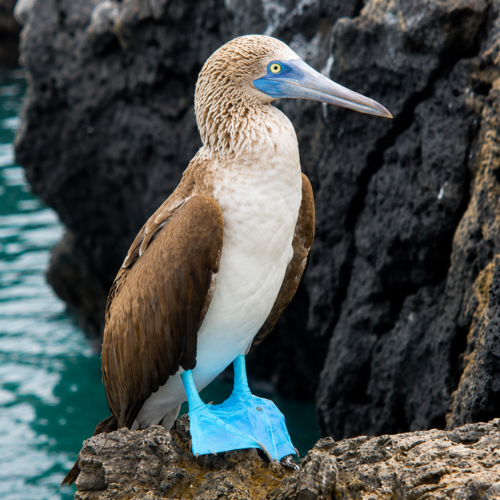
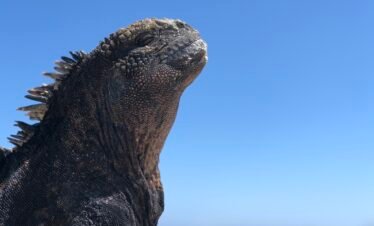
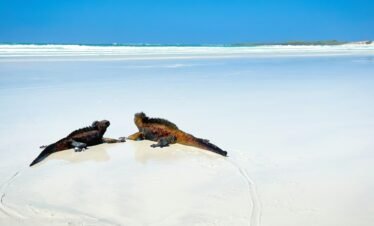
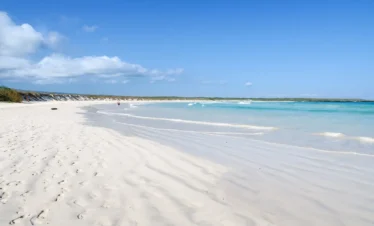
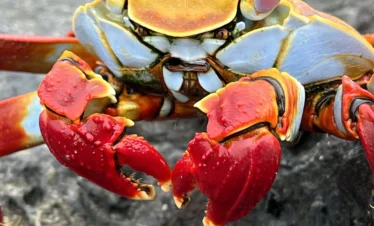
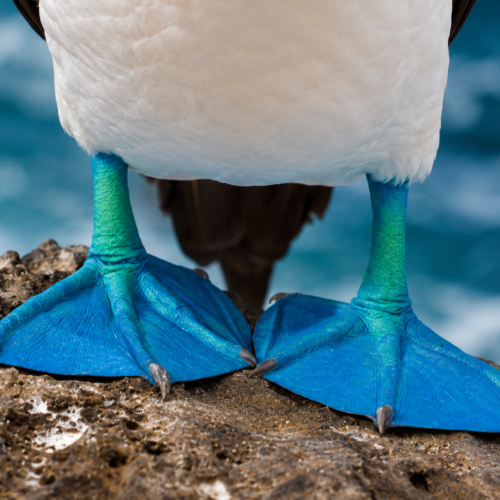
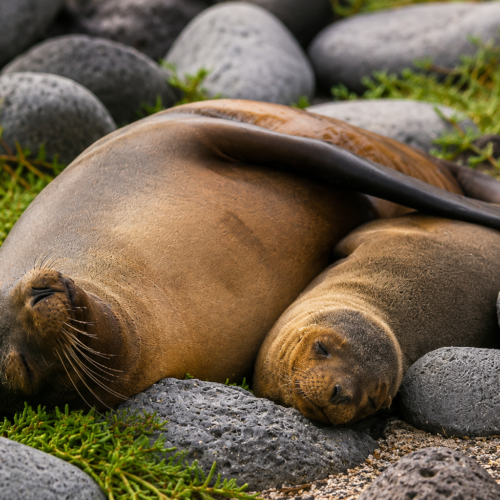
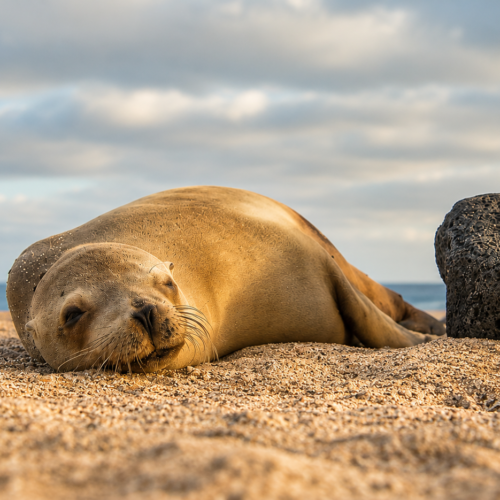
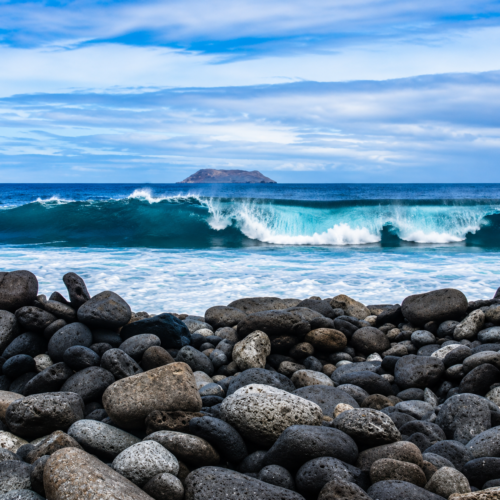
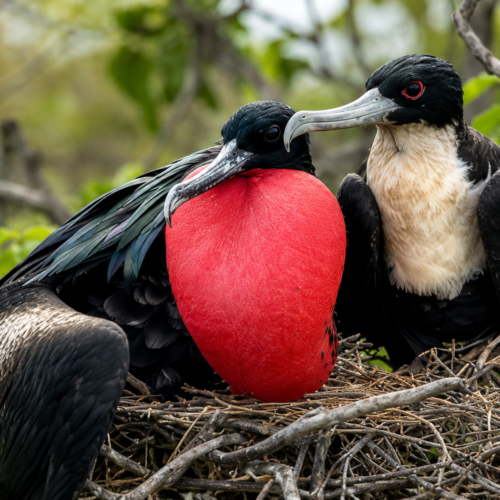
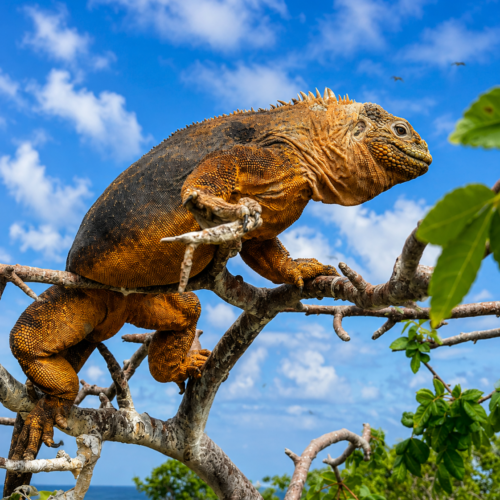
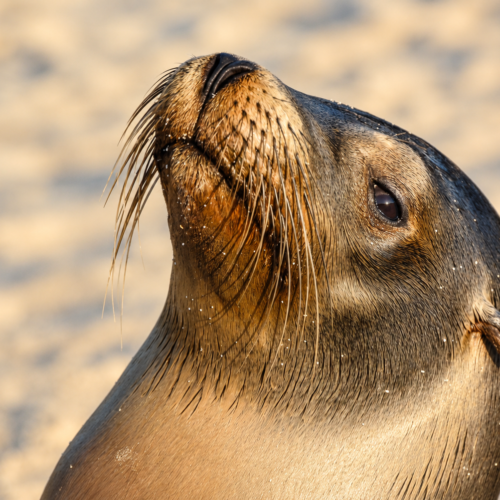
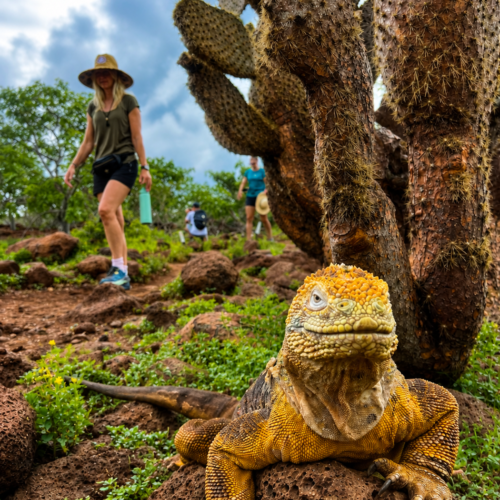
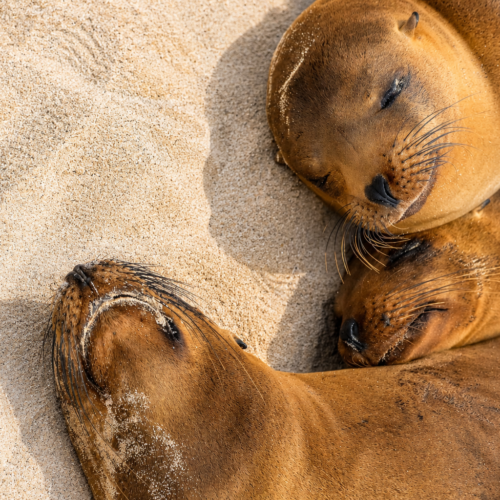
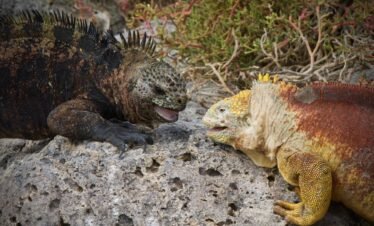
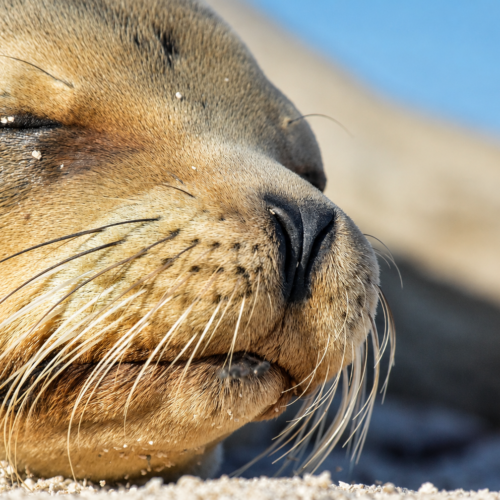
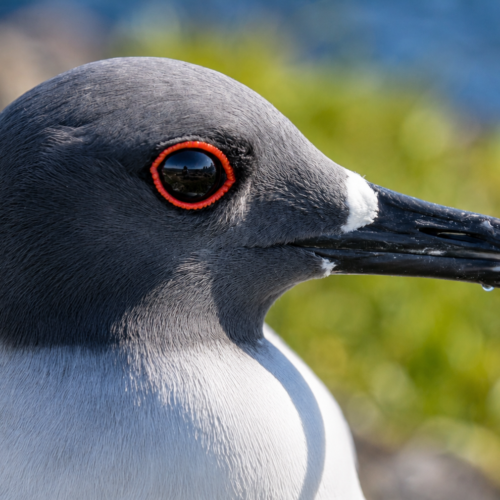
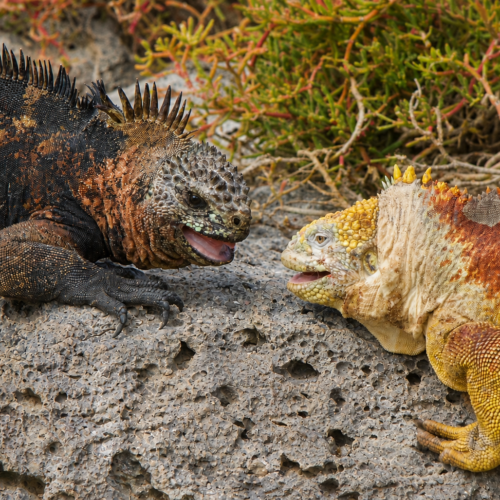
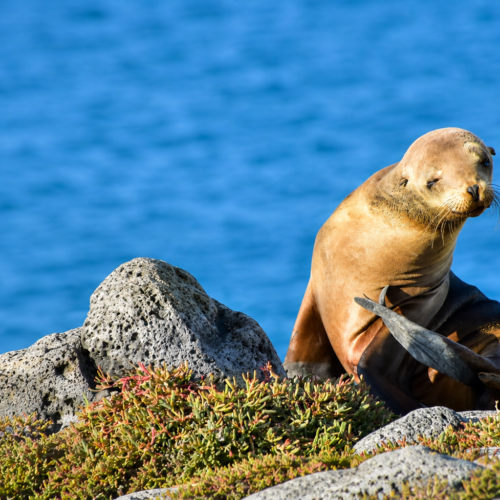
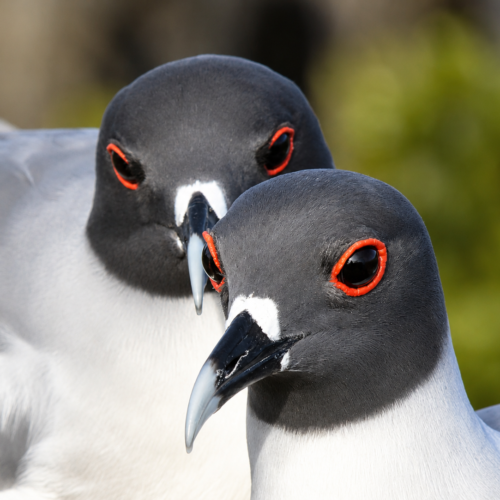
Santa Cruz also offers some of the archipelago’s most beautiful coastal experiences. Tortuga Bay combines white sand, turquoise water, and a protected coastal environment, while Las Grietas is known for its striking volcanic rock formations and clear water. Along the coast and around Puerto Ayora, visitors can encounter marine iguanas, sea lions, seabirds, and other wildlife.
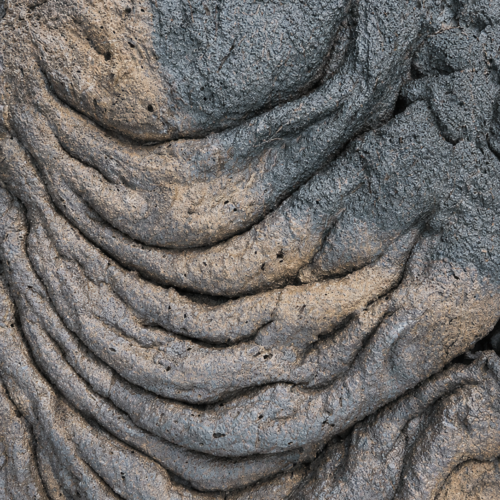
For travelers interested in geology, the island’s interior reveals another side of Santa Cruz. Los Gemelos, two enormous volcanic formations in the highlands, are surrounded by misty Scalesia forest and provide an opportunity to experience one of the island’s distinctive highland ecosystems. Lava tunnels and other volcanic formations further reveal the geological history of the island.
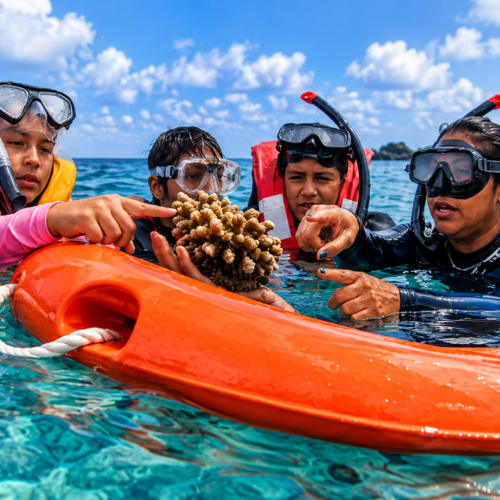
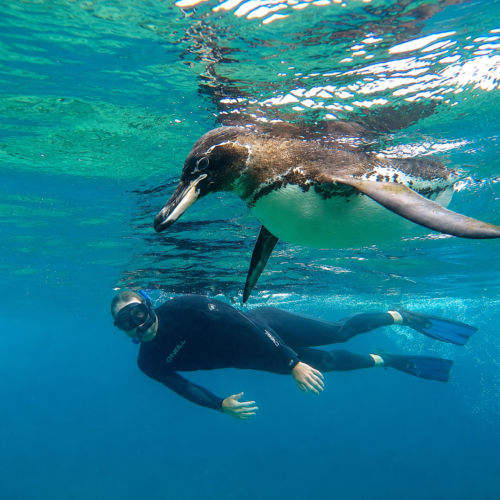
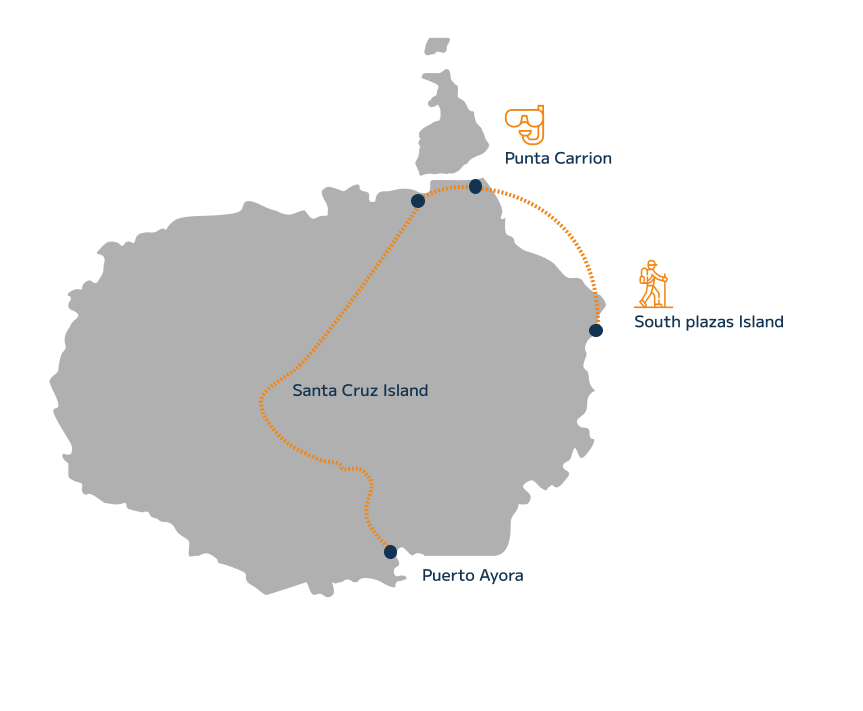
Santa Cruz is also an excellent starting point for marine adventures. From Puerto Ayora, travelers can arrange snorkeling, diving, kayaking, hiking, and day trips to nearby islands and marine sites. This combination of accessibility and variety makes Santa Cruz particularly attractive for travelers who want to experience several different sides of the Galápagos without constantly changing accommodation.
For many visitors, Santa Cruz works best as a base for exploration. You can spend one day walking through Puerto Ayora and visiting the Darwin Station, another exploring the highlands and giant tortoises, another enjoying Tortuga Bay or Las Grietas, and then venture farther offshore for a full-day marine expedition.
Santa Cruz is where the Galápagos comes together: science, wildlife, volcanic landscapes, marine adventures, and everyday island life—all within reach from one remarkable island.