- 4
- 1
- 1


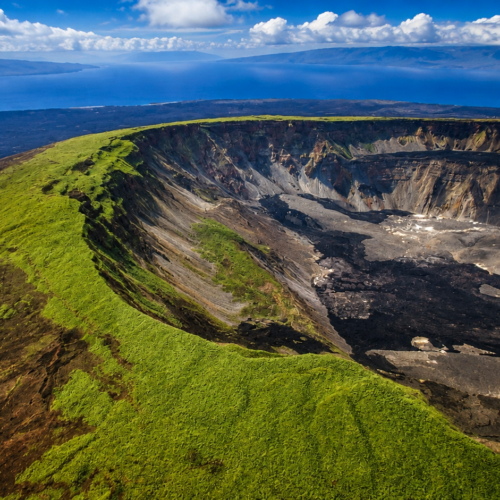
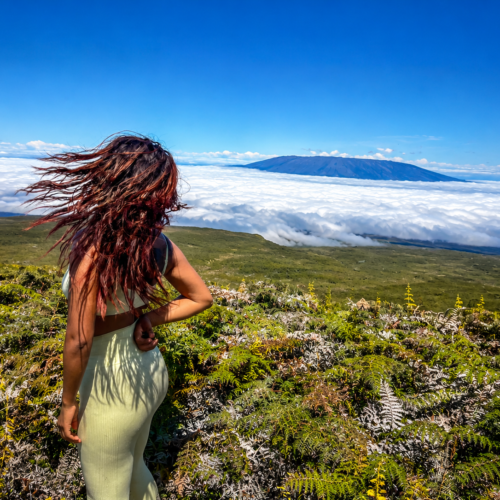
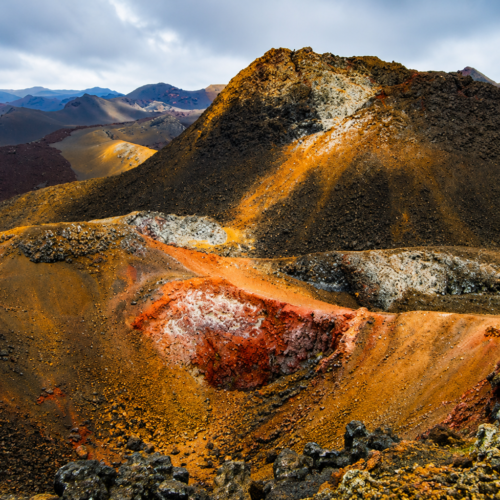
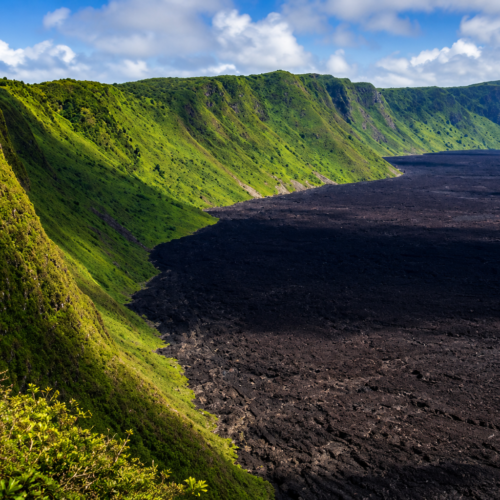
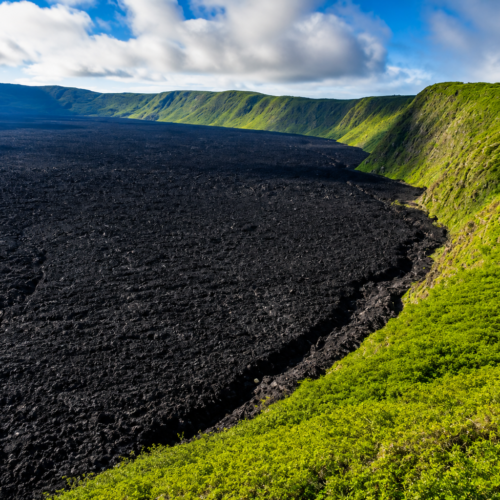
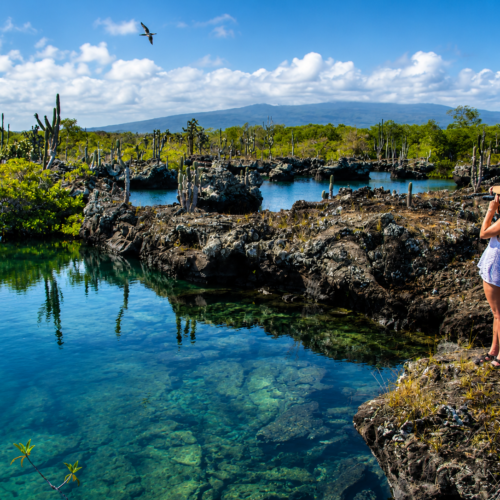
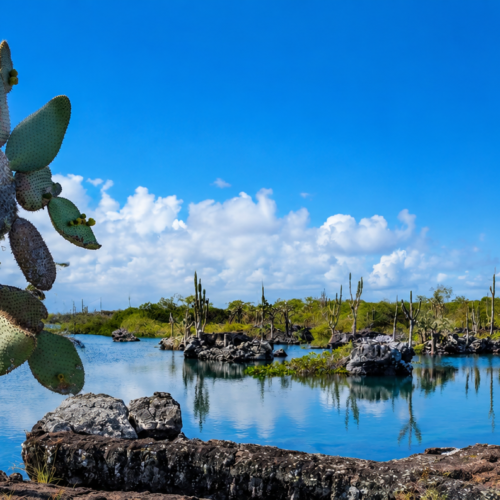
Isabela is the largest island in the Galápagos and one of its most spectacular destinations. Its distinctive seahorse shape was created by the merging of six major volcanic formations, and five of the archipelago’s six active volcanoes are found here. The result is a landscape of enormous lava fields, volcanic cones, wetlands, beaches, mangroves, and rugged coastlines.
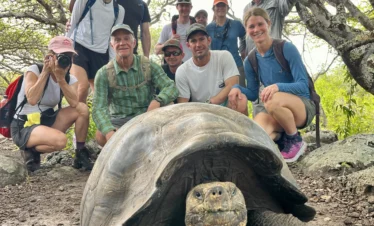
The island’s main town, Puerto Villamil, has a relaxed, small-island atmosphere, with a long white-sand beach and easy access to nature. Around town, visitors can explore wetlands where flamingos and other birds gather, walk along the coast, and visit the Tortoise Breeding Center. Isabela is home to more wild giant tortoises than any other island in the Galápagos, with different populations associated with its individual volcanoes.
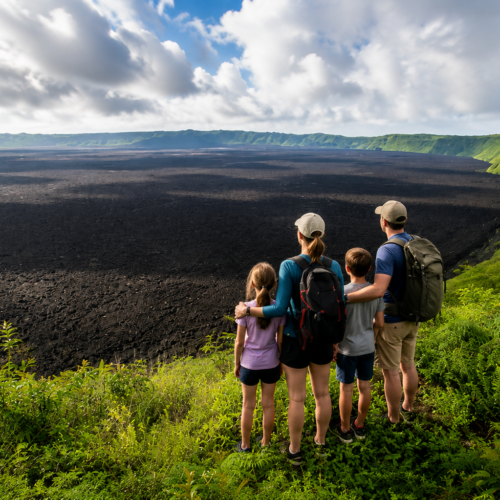
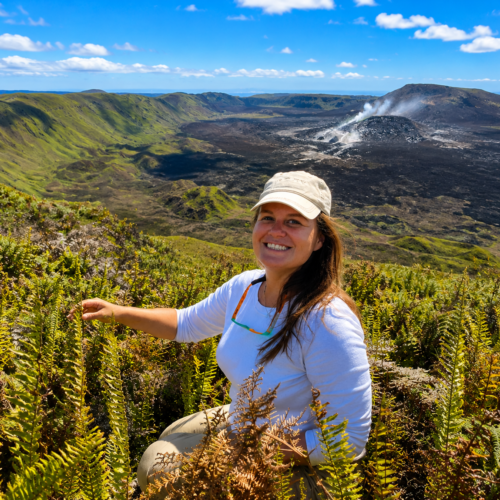
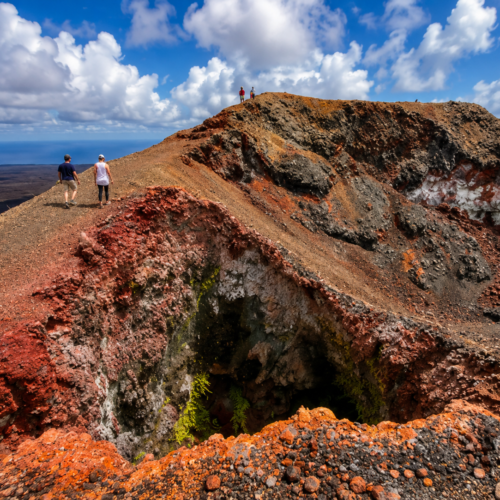
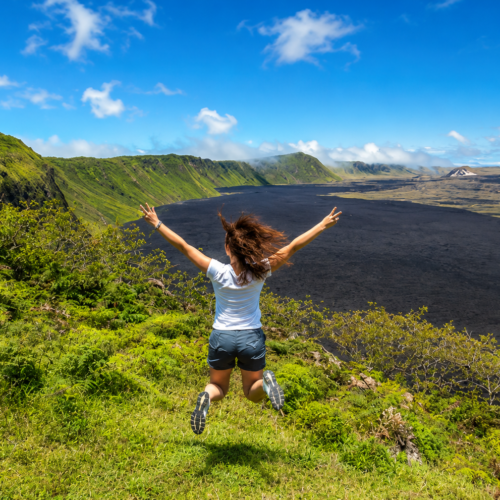
For travelers interested in geology, Sierra Negra Volcano is one of Isabela’s highlights. Its enormous caldera and surrounding volcanic landscape reveal the powerful forces that continue to shape the island. The trail toward Volcán Chico crosses relatively recent lava formations and offers expansive views across Isabela and toward Fernandina.
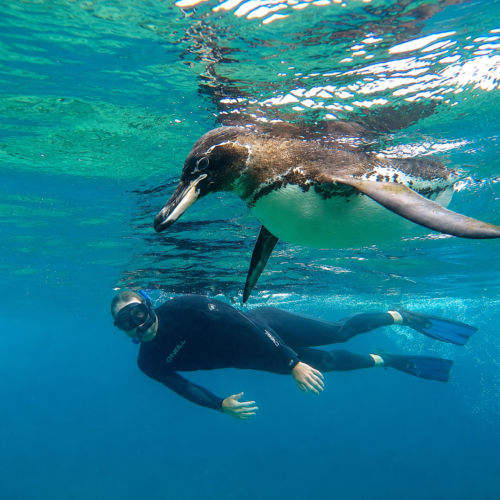
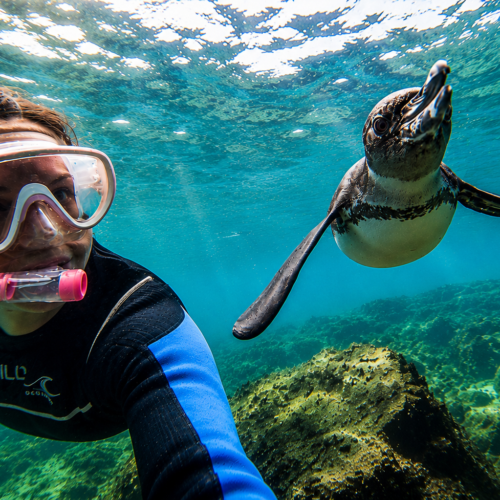
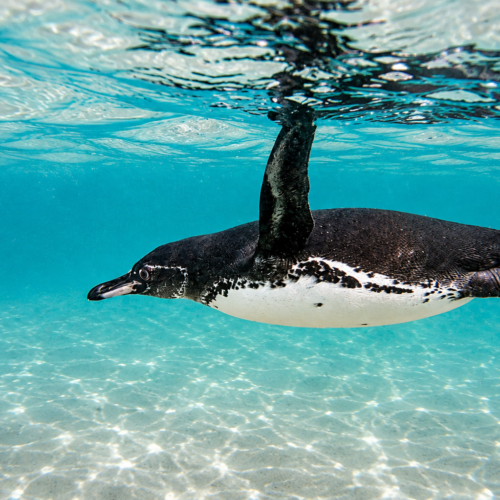
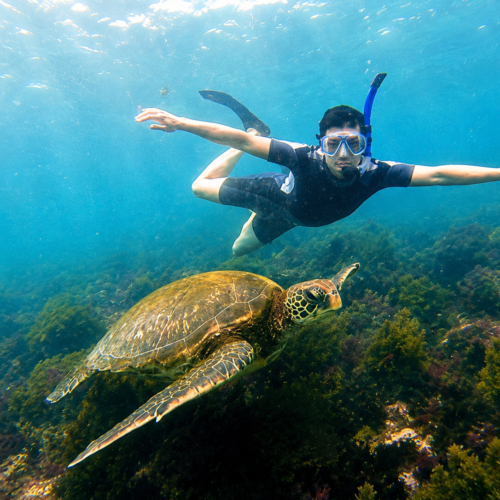
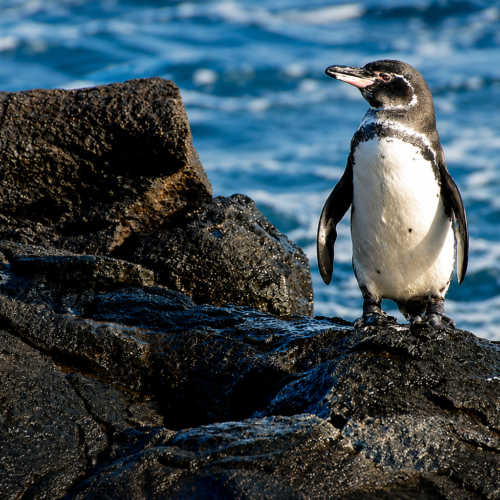
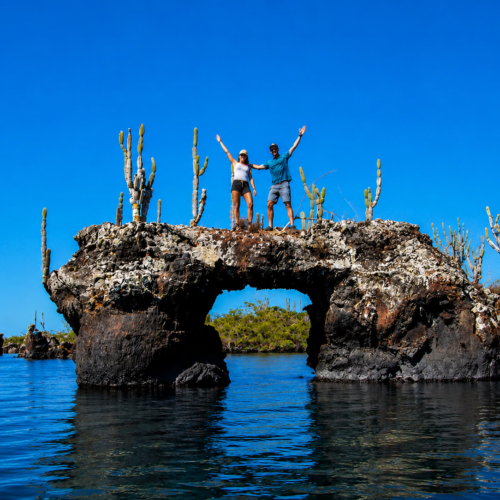
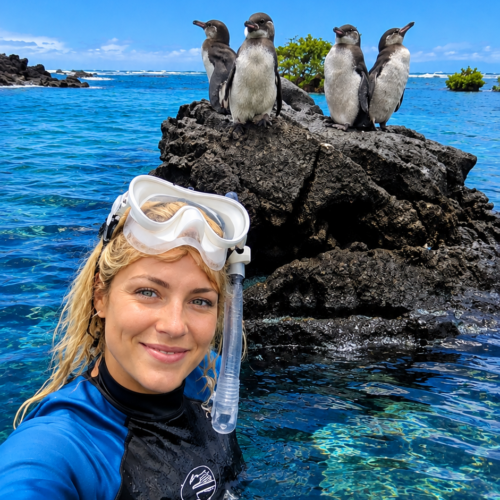
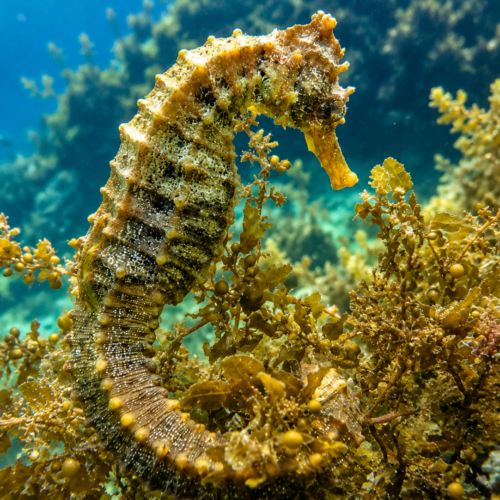
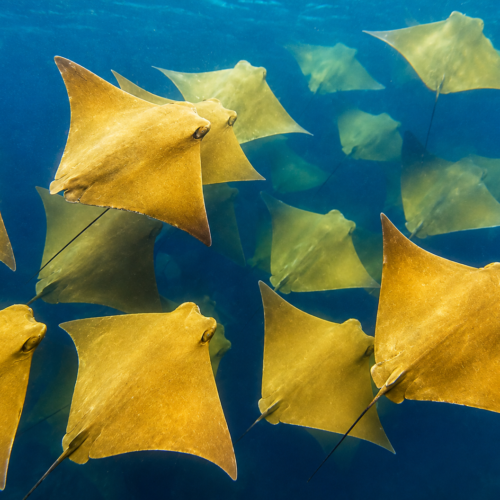
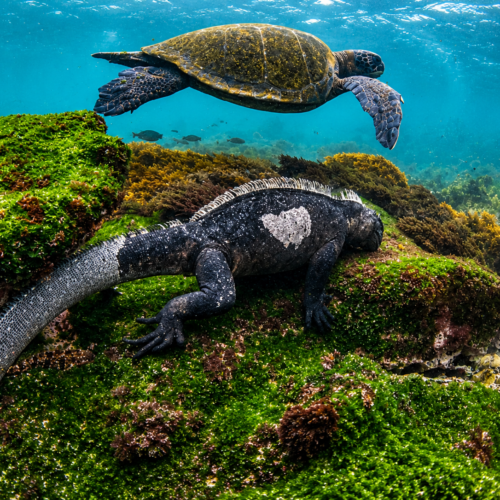
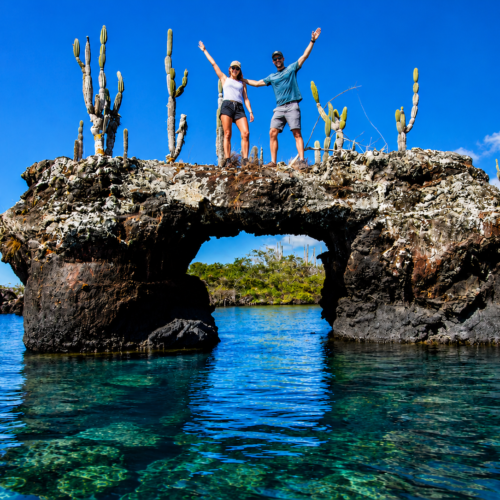
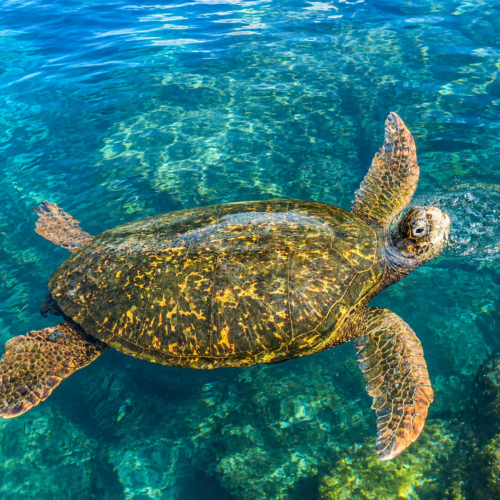
On the coast, Los Túneles is one of Isabela’s most distinctive marine experiences. Ancient lava flows created arches, bridges, and underwater passages where clear water provides excellent conditions for observing marine life. Snorkeling here can bring encounters with sea turtles, penguins, rays, reef sharks, seahorses, and colorful fish, depending on conditions.
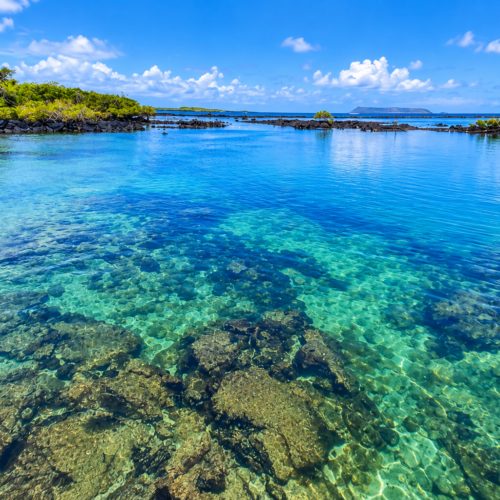
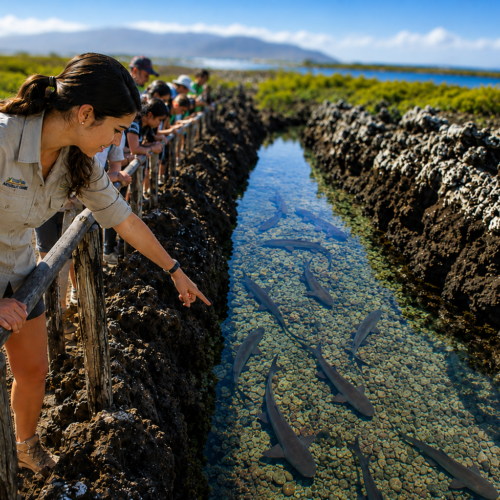
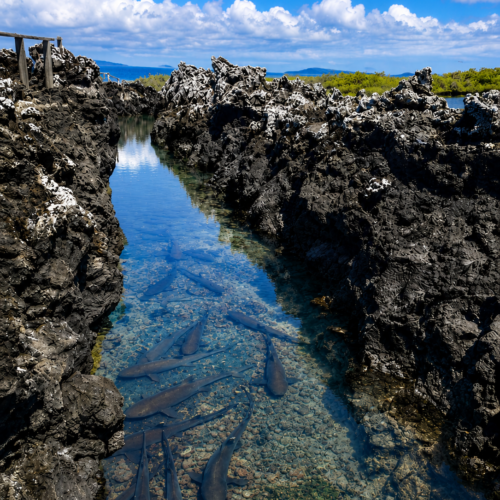
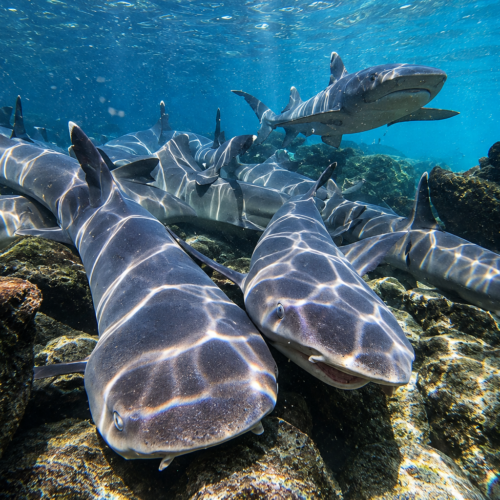
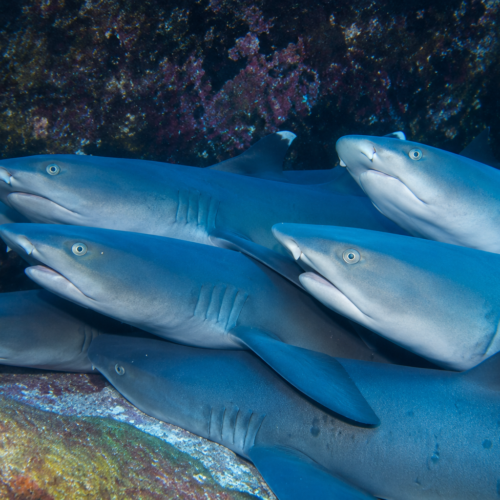
Tintoreras offers another close look at Isabela’s marine ecosystem. The small islets and turquoise channels are surrounded by sea lions, marine iguanas, sea turtles, rays, and other wildlife, while white-tip reef sharks can often be seen resting in the protected channels.
At Concha Perla, a sheltered lagoon near Puerto Villamil provides calm waters for snorkeling and swimming among marine life. Nearby, the Wall of Tears offers a very different experience, combining natural landscapes with the difficult history of Isabela’s former penal colony.
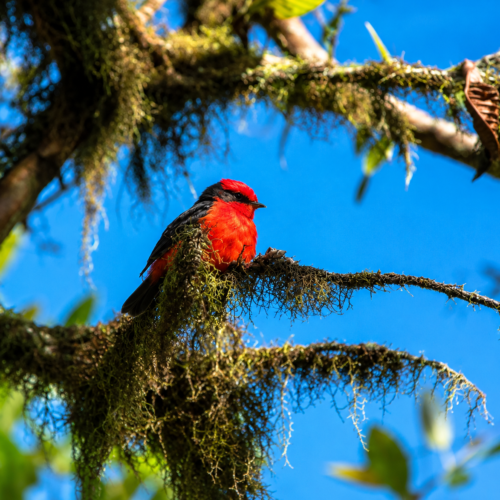
Isabela is also one of the best places in the Galápagos to appreciate the connection between geology and marine ecosystems. Nutrient-rich waters around the western side of the island support abundant marine life, including whales, dolphins, penguins, flightless cormorants, sea lions, and seabirds.
For travelers looking beyond the more developed areas of Santa Cruz, Isabela offers a stronger sense of wilderness. It is a destination where volcanic landscapes, giant tortoises, wetlands, beaches, and marine ecosystems come together in an exceptionally diverse island environment.
Explore Isabela slowly. Look closely. The island’s greatest experiences are often found where geology and wildlife meet.