Do killer whales have families?
Do Killer Whales Have Families? What 26 Years of Galápagos Photographs Reveal Ask most people whether killer whales have families, and they’ll say yes without
The only lizard on Earth that forages in the ocean — how it dives, sneezes out salt, and changes color by island, plus real conservation history from Santa Cruz.
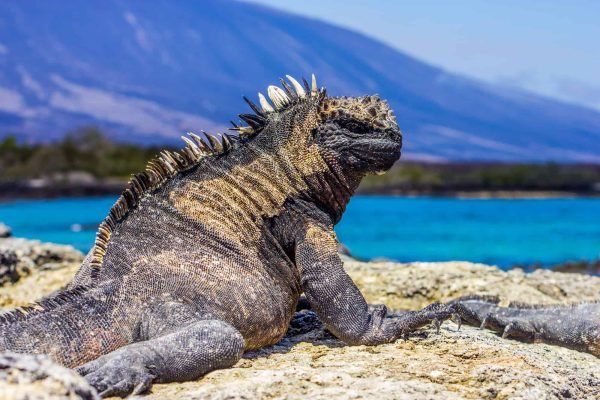
Amblyrhynchus cristatus is the only lizard species on Earth that forages in the ocean. Every marine iguana on the planet is a Galápagos endemic, found nowhere else — one of the archipelago’s most singular evolutionary stories, and proof of how isolation reshapes a species over time.
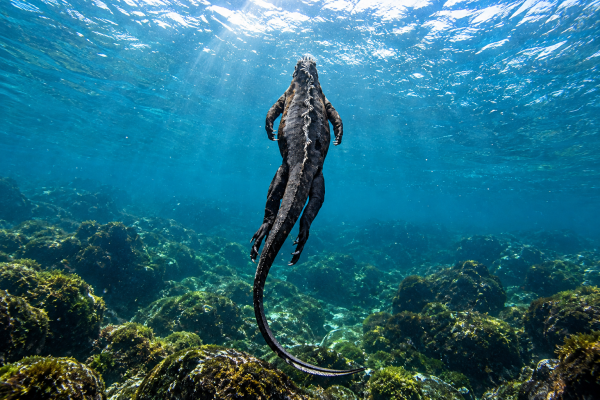
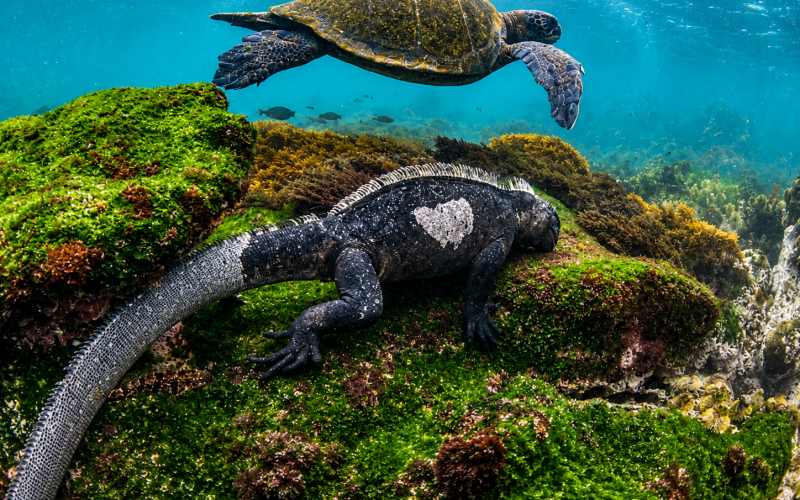
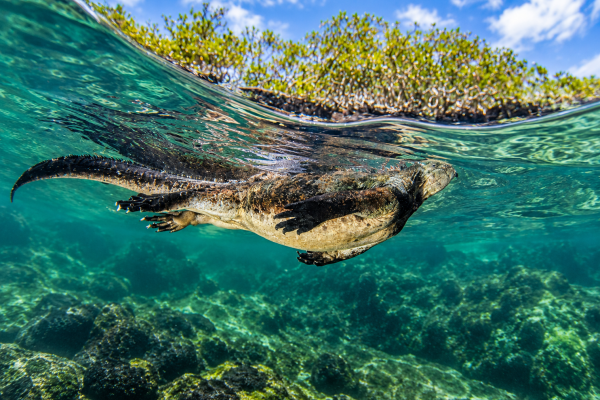
Marine iguanas swim with powerful lateral strokes of their flattened tail, keeping their limbs pressed close to their sides for a streamlined dive. They descend to graze on marine algae growing on submerged rocks — larger individuals can dive deeper and stay down longer than juveniles, who mostly graze intertidal rocks exposed at low tide.
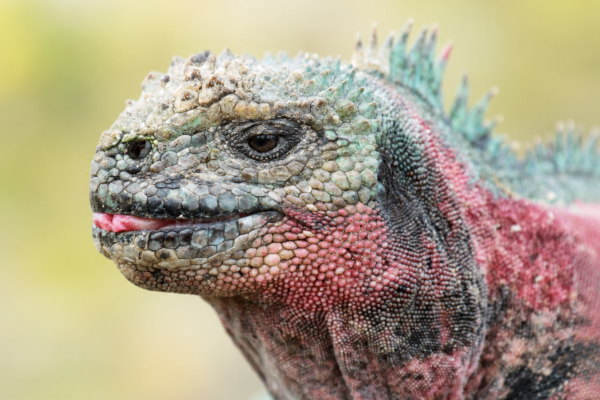
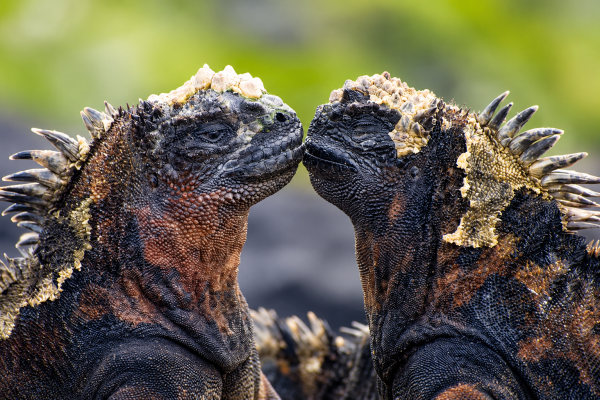
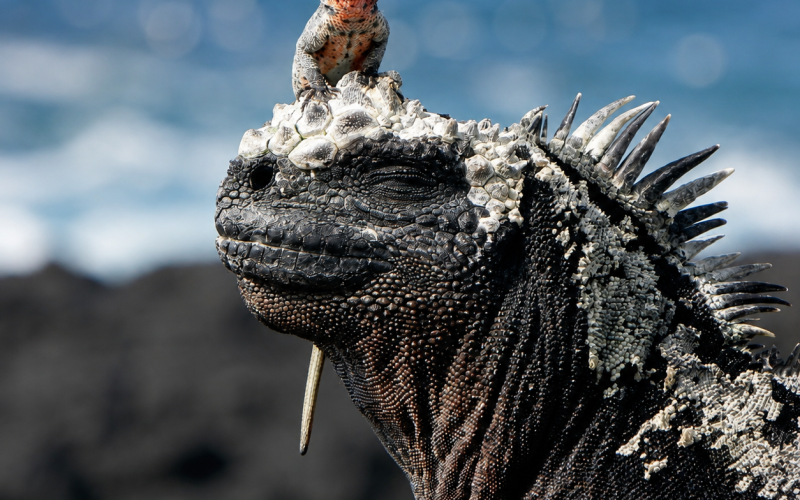
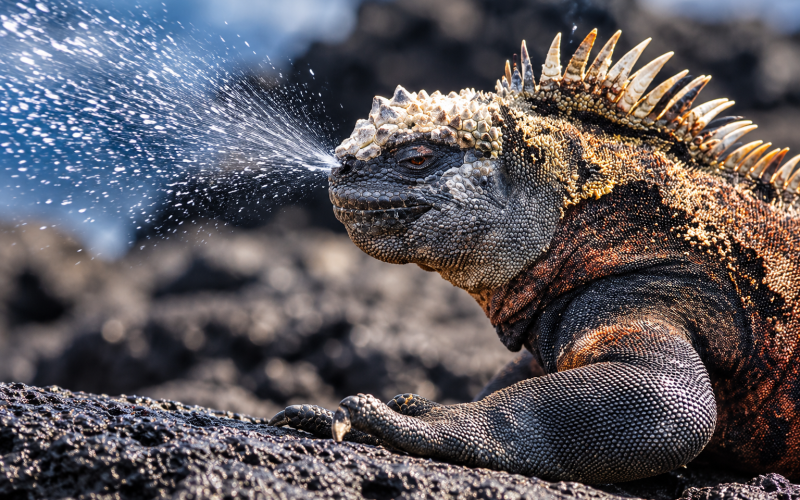
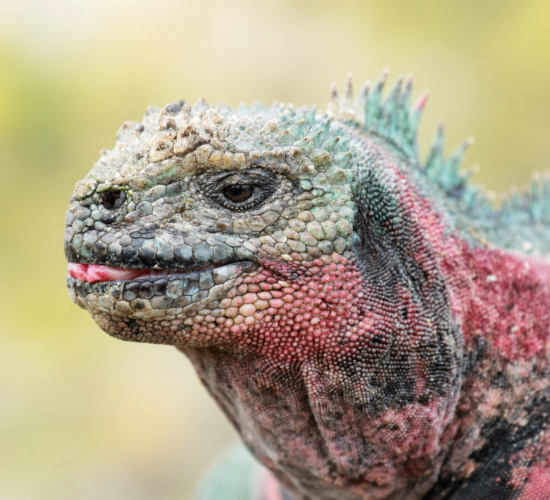
Feeding in seawater means absorbing far more salt than a reptile’s body can safely process. Marine iguanas solve this with a specialized gland behind each nostril that filters excess salt directly from the bloodstream, expelled in a visible sneeze. It often leaves a crusty white deposit on their heads — a real, slightly comical, field-identifiable trait worth watching for on your own visit.
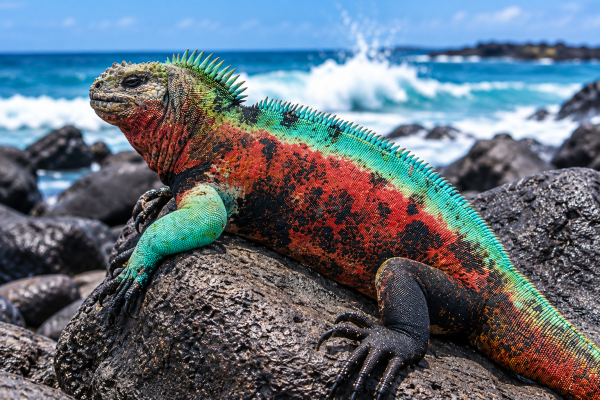
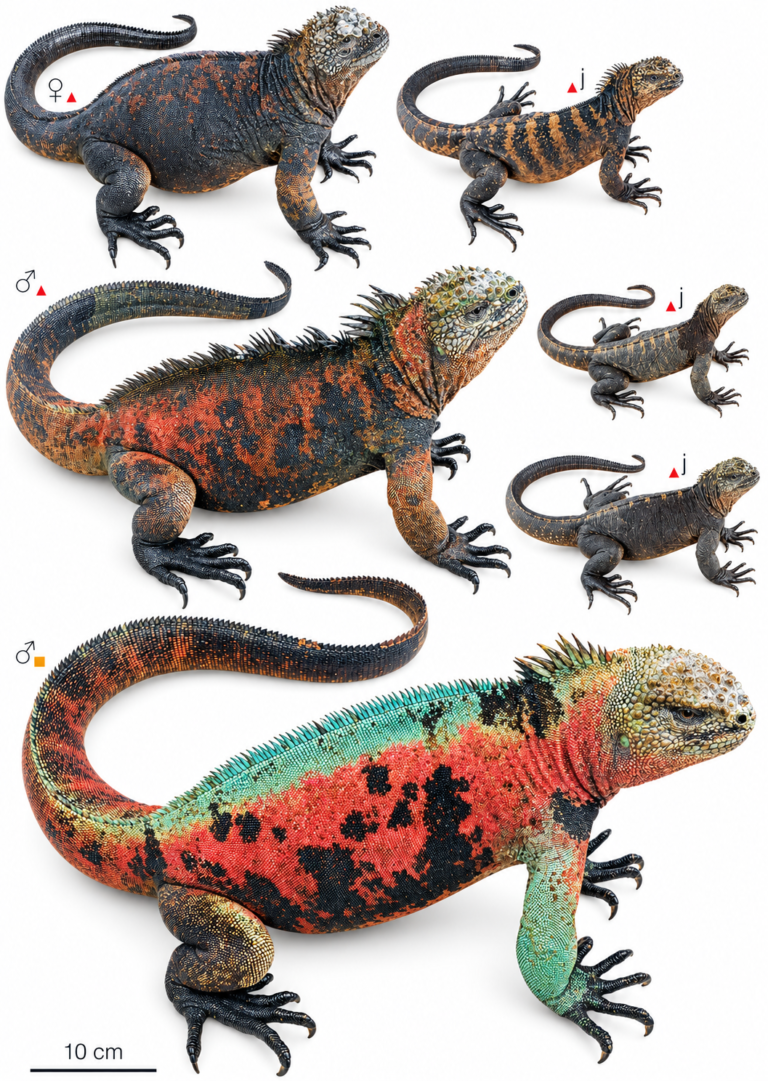
Marine iguana coloration differs meaningfully by island population. Española’s subspecies is particularly known for vivid reddish and turquoise breeding coloration — sometimes nicknamed “Christmas iguanas” for the contrast — compared to the more uniformly dark grey-black individuals found on islands like Santa Cruz and Fernandina.
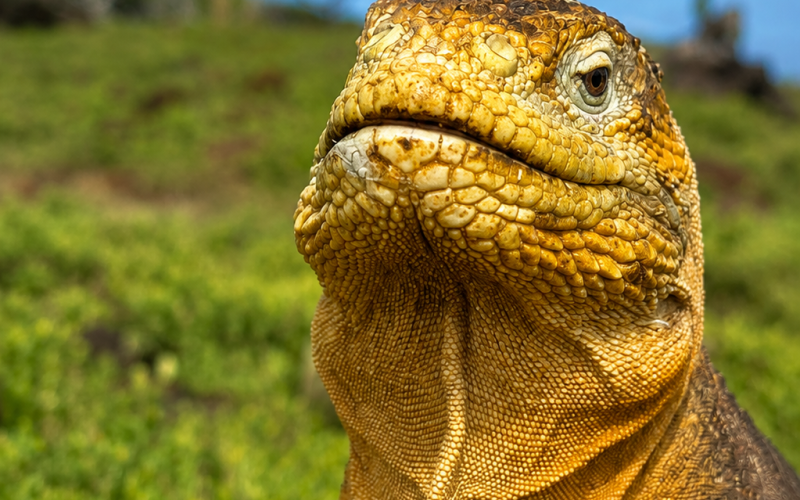
At Cerro Dragón on Santa Cruz, land iguana populations — a related but distinct species from marine iguanas — were nearly wiped out by introduced dogs and cats beginning in the 1970s. Surviving individuals were relocated to a predator-free islet for breeding, with successful reintroduction to Cerro Dragón beginning in 1990 once invasive predators were removed from the site. It’s a real, ongoing example of the active conservation work protecting Galápagos reptiles today — land and marine iguana species alike face similar predator-driven pressures.
Home to the distinctive red-and-turquoise breeding coloration, best seen along the Punta Suárez trail.
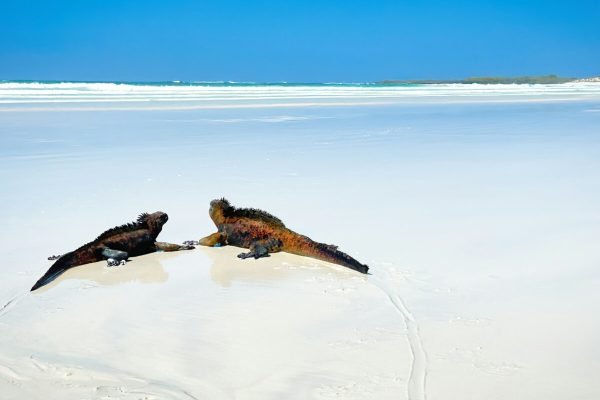
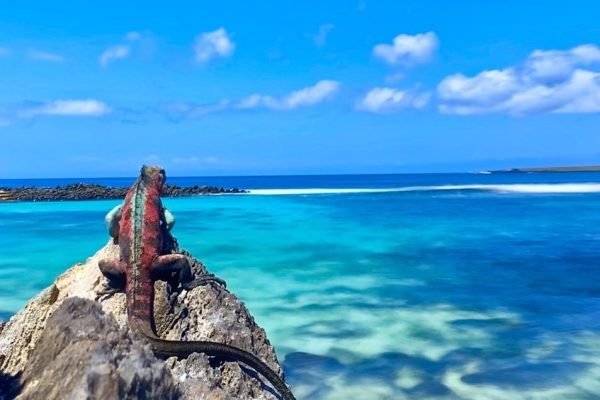
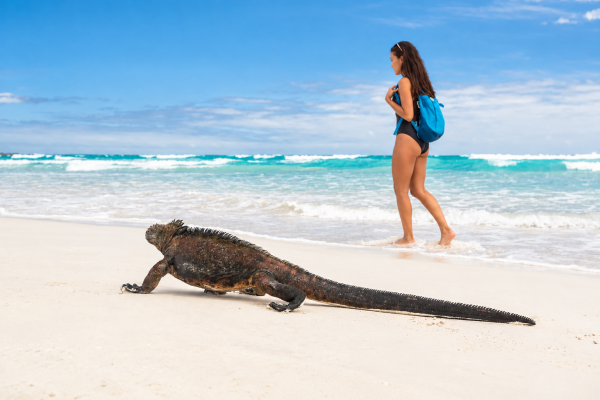
Marine iguanas are commonly seen along the rocky coastline of Isabela Island. In Puerto Villamil, look for them around the beaches, rocks, and coastal trails. They are often found basking in the sun near the ocean.
Marine iguanas can be spotted along the rocky shores of Santa Cruz Island.
Around Puerto Ayora, look near coastal areas such as the Charles Darwin Research Station.
Early morning is a good time to see them warming themselves on the rocks.
San Cristóbal Island is another excellent place to see marine iguanas in Galápagos.
They can be found along rocky beaches and coastal areas around Puerto Baquerizo Moreno.
Look for them resting on lava rocks close to the water.
They’re part of nearly every island itinerary — ask us where sightings are most reliable this season.
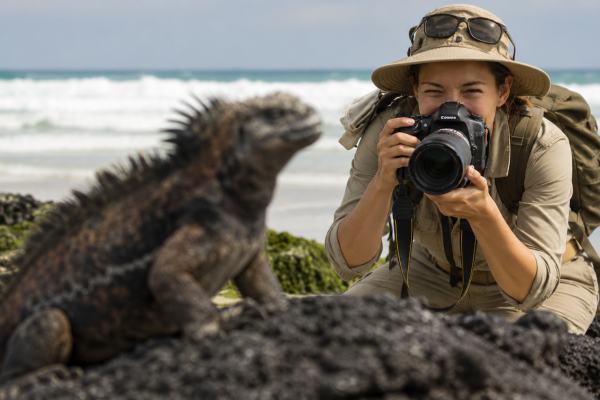
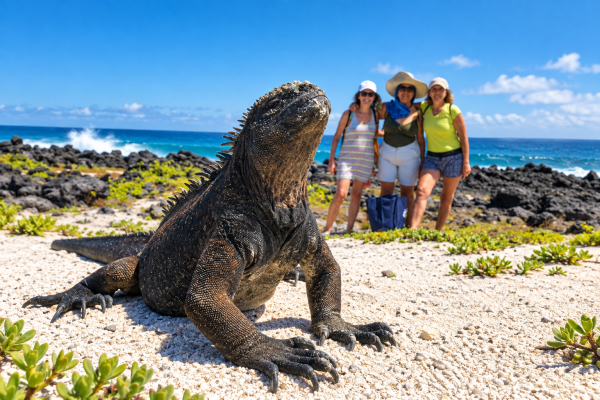
No — marine iguanas are herbivorous, feed exclusively on algae, and pose no threat to visitors. They're generally unbothered by close observation as long as you don't crowd or handle them.
That vivid red-and-turquoise breeding coloration belongs to the Española subspecies, best seen along the island's Punta Suárez trail.
They're visible year-round, though courtship displays are most concentrated from roughly June through December — see Best Time to Visit for the full seasonal picture.
Planning a Galápagos trip can feel overwhelming. We’re here to help you choose the right cruise or island-hopping experience based on your interests, travel style, dates, and budget.
Tell us about your travel plans, and we’ll create a personalized Galápagos itinerary tailored to your interests, travel dates, and budget.

Do Killer Whales Have Families? What 26 Years of Galápagos Photographs Reveal Ask most people whether killer whales have families, and they’ll say yes without

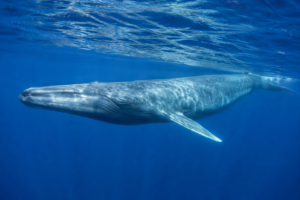
GALAPAGOS BLUE WHALES The blue whale is the largest animal known to have ever existed on Earth — larger than any dinosaur, its heart alone

I grew up here — let me show you the magic that still lives in these islands. When people ask me what it’s like to