Do Blue Whales From Two Different Hemispheres Meet in the Galápagos?
GALAPAGOS BLUE WHALES The blue whale is the largest animal known to have ever existed on Earth — larger than any dinosaur, its heart alone
From near-extinction to Lonesome George to today’s recovering populations — the namesake animal the islands were named for, and where to see them in the wild.
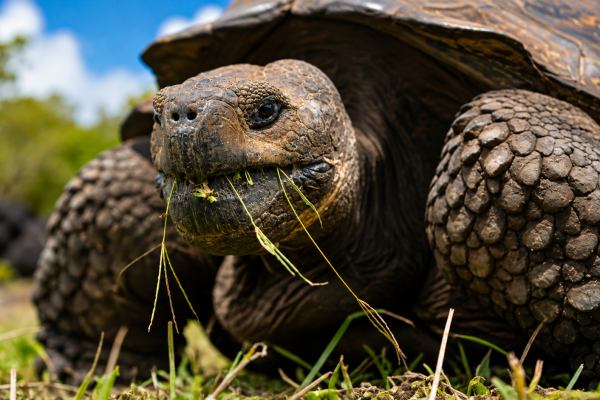
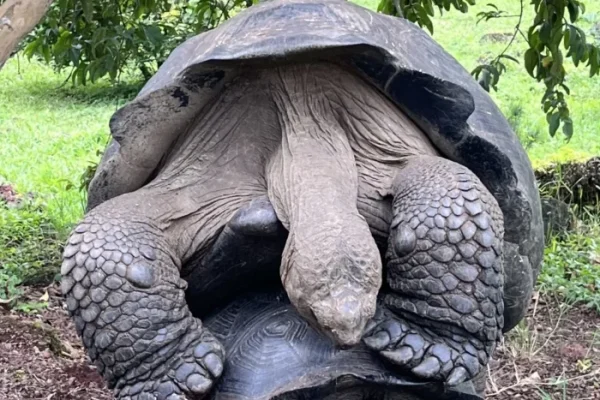
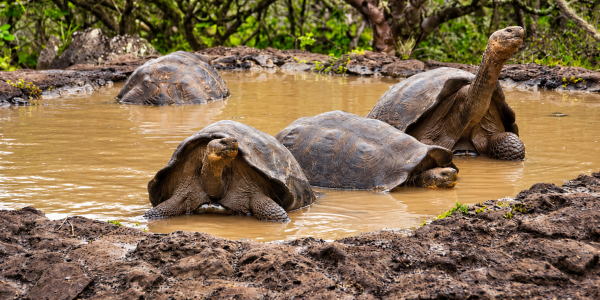
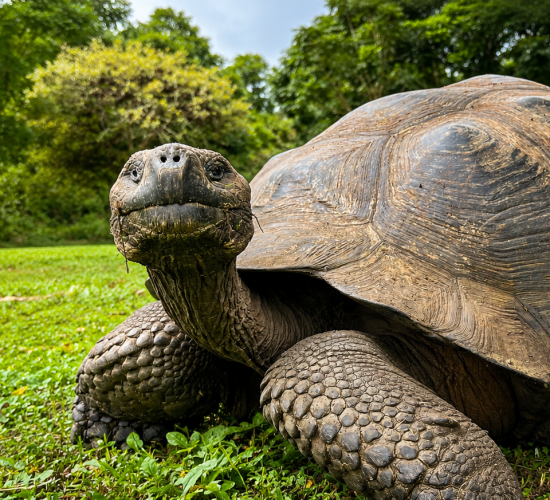
“Galápagos” itself comes from the Spanish word for the tortoises’ saddle-shaped shells — this is the archipelago’s namesake animal. They can live well over 100 years in the wild, and as they graze across the highlands, they act as ecosystem engineers, shaping the vegetation around them in ways few other animals can.
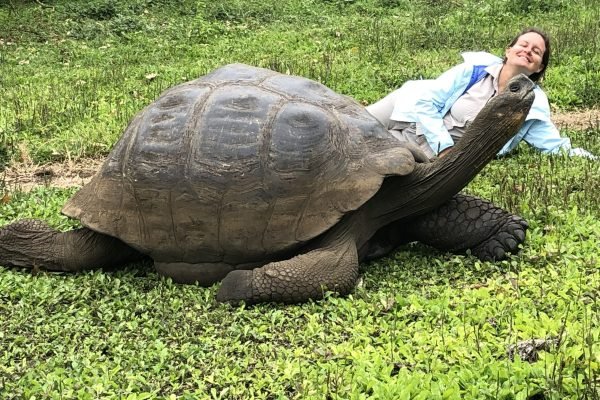
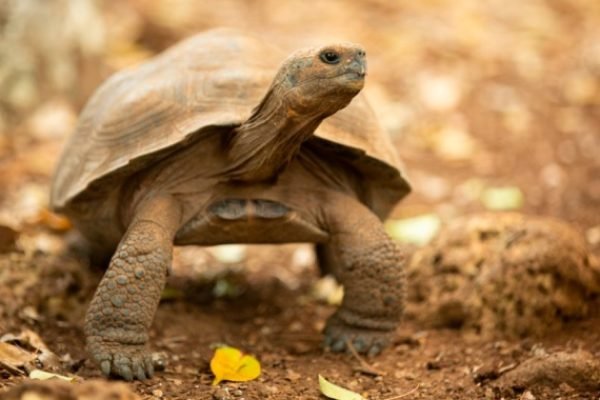
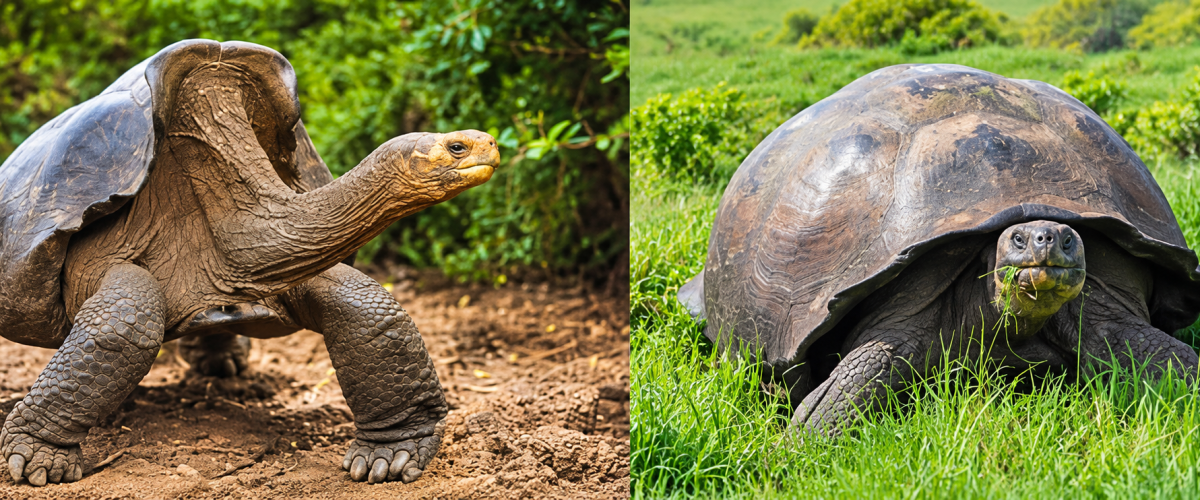
Shell shape isn’t random — it’s island-by-island adaptation. On humid highland islands with abundant low vegetation, tortoises evolved rounded dome shells. On arid islands like Española, with sparse cactus and scrub, tortoises evolved saddleback shells — a raised front opening that lets them stretch their necks higher to reach food out of easy reach. Darwin himself noted the difference was distinct enough that locals could tell which island a tortoise came from just by its shell.
.
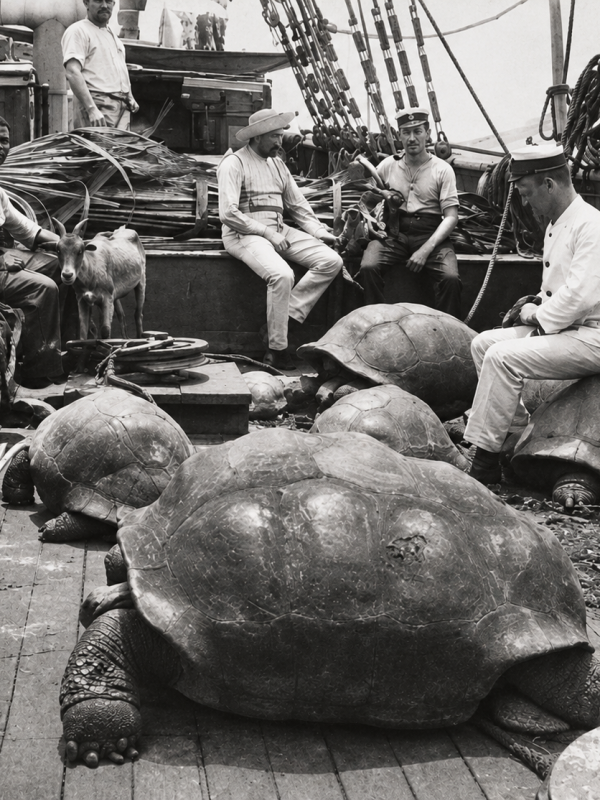
250,000+t ortoises are estimated to have existed before human contact. Buccaneers, whalers, and settlers removed over 100,000 of them — often kept alive for months aboard ships as a portable food source — collapsing the population to roughly 3,000–6,000 by the 1970s.
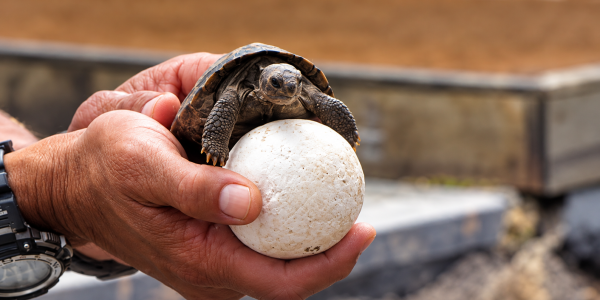
Since 1965, breeding-and-release programs run by the Galápagos National Park and Charles Darwin Foundation — alongside the removal of invasive goats, pigs, and rats — have helped populations recover to more than 19,000 today. Of an original roughly 15 recognized subspecies, about 10–11 survive.
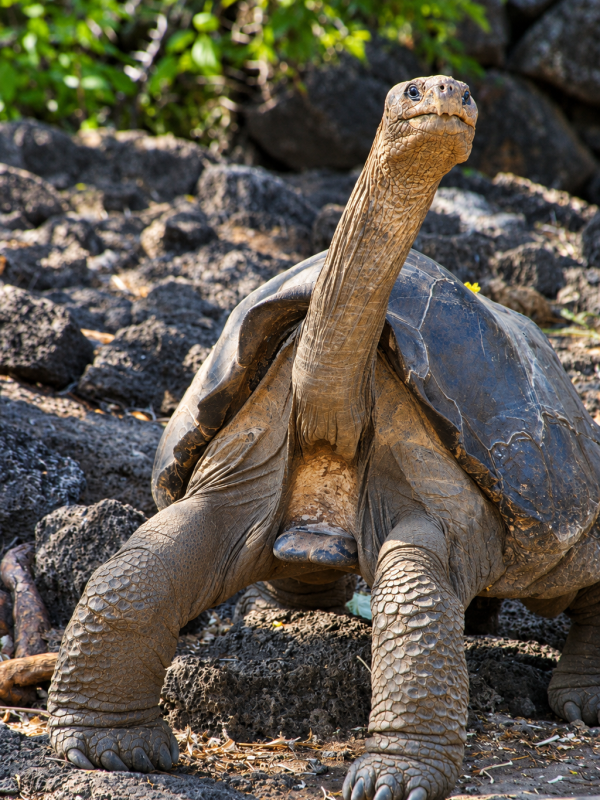
Lonesome George was the last known individual of the Pinta Island subspecies (Chelonoidis nigra abingdoni), and became a global symbol of extinction and conservation urgency before his death on June 24, 2012. There’s a hopeful postscript: genetic analysis has since identified hybrid tortoises with strong ancestry from the Floreana subspecies — long presumed extinct — raising a real possibility of eventually restoring that lineage through selective breeding.
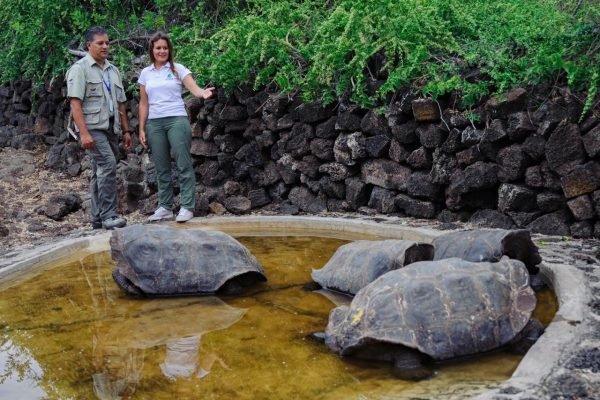
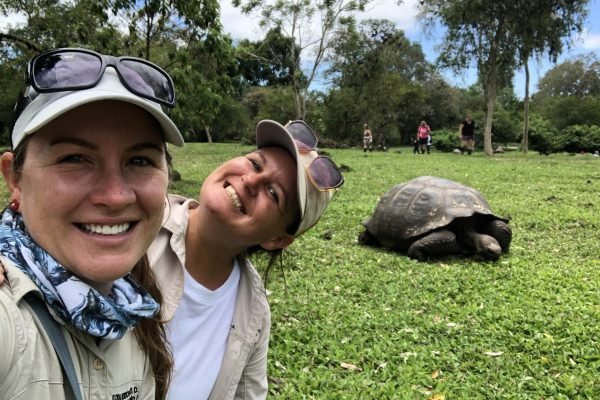
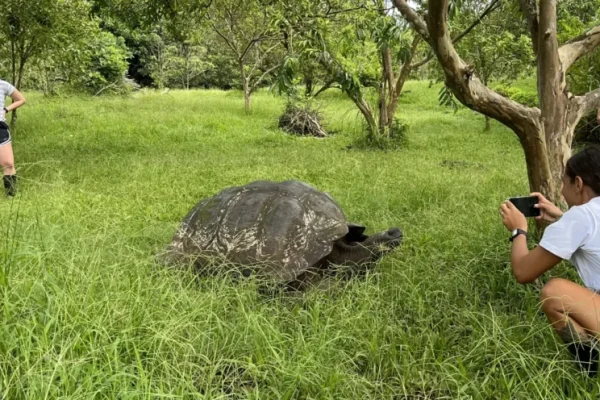
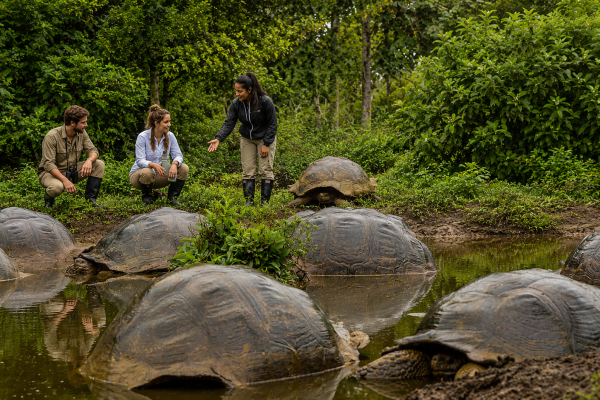
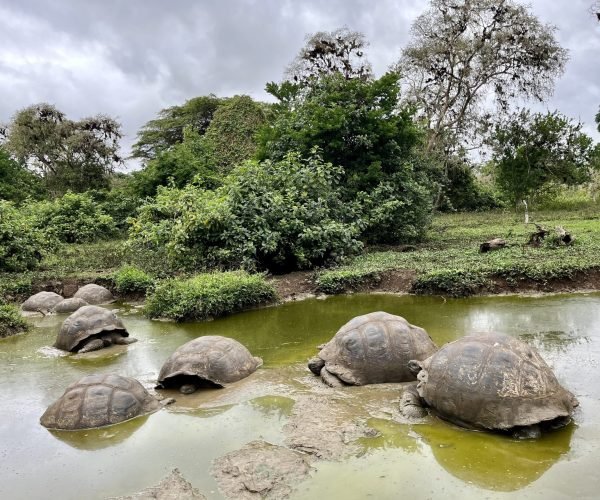
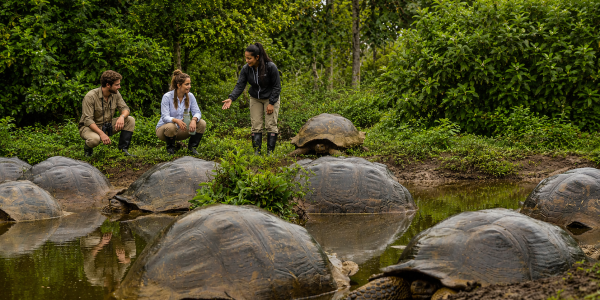
Wild tortoises in their natural habitat at the El Chato reserve, alongside lava tunnels and the Los Gemelos craters.
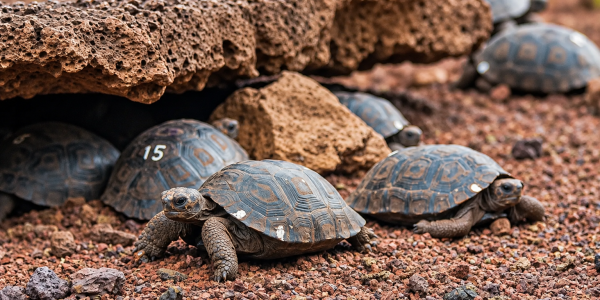
The tortoise breeding program on Santa Cruz also known as Charles Darwin Research Center, helps protect the island’s giant tortoise populations.
Young tortoises are raised and cared for before being returned to protected areas, supporting the recovery of wild populations.
San Cristóbal’s breeding center plays an important role in conserving the island’s endemic giant tortoise.
The program raises young tortoises and supports their repopulation in protected natural habitats.
Isabela’s tortoise breeding centers help restore and protect several unique giant tortoise populations.
Through breeding, care, and repatriation, these programs strengthen wild populations and protect the island’s unique biodiversity.
Tell us your dates and we’ll point you to the sites and season with the best odds.
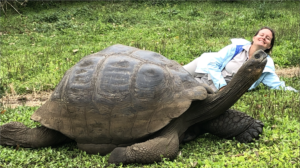
The Charles Darwin Research Station is walkable and free to visit from Puerto Ayora; seeing wild tortoises in the Highlands typically requires a short guided or self-driven visit.
Yes — they're commonly spotted plunge-diving or resting along San Cristóbal's malecón, visible on a simple waterfront walk.
They're visible year-round, though courtship displays are most concentrated from roughly June through December — see Best Time to Visit for the full seasonal picture.
Planning a Galápagos trip can feel overwhelming. We’re here to help you choose the right cruise or island-hopping experience based on your interests, travel style, dates, and budget.
Tell us about your travel plans, and we’ll create a personalized Galápagos itinerary tailored to your interests, travel dates, and budget.

GALAPAGOS BLUE WHALES The blue whale is the largest animal known to have ever existed on Earth — larger than any dinosaur, its heart alone

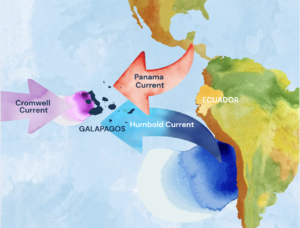
Why is the Galápagos home to such extraordinary wildlife? The answer lies beneath the surface. Four major ocean currents converge around the archipelago, bringing nutrients,
When most people think of the Galápagos Islands, they picture giant tortoises, blue-footed boobies, and marine iguanas. Yet beneath this remarkable wildlife lies an equally