........

whale and dolphin research from the Galápagos Marine Reserve

  • Home
  • Conservation & Science
Galapagos Cetacea Program logo
Galápagos Cetacea Project

An independent scientific initiative studying whales and dolphins in the Galápagos Marine Reserve — and the research partner behind every original cetacean study published on this site. Every Nauti expedition helps fund its work.

An Independent Scientific Partnership

The Galápagos Cetacea Project is an independent scientific initiative dedicated to the research and conservation of whales and dolphins within the Galápagos Marine Reserve, led by Dr. Daniela Alarcón. Nauti Expeditions collaborates directly with the program — we don’t own this research, we help fund and support it. Every original species study published on this site, including our orca social-structure findings, comes out of this partnership.

Why Cetaceans Matter in the Galápagos

Every year, hundreds of individuals migrate through or reside within the Reserve to feed, socialize, mate, and raise their young. As top predators and ecosystem engineers, whales and dolphins play a vital role in keeping the entire marine food web healthy — protecting them means protecting the ecosystem everything else here depends on.

Researchers conduct fieldwork in the Galápagos Marine Reserve, collecting scientific data on whales and dolphins. Every expedition supports long-term monitoring, conservation, and education through the Galápagos Cetacea Project.

More than 24 known cetacean species have been recorded in the Galápagos Marine Reserve — including humpback whales, sperm whales, orcas, bottlenose dolphins, pilot whales, Bryde’s whales, and several oceanic dolphin species.

How Your Expedition Makes a Difference

Extraordinary journeys should leave more than unforgettable memories — they should leave a lasting positive impact. Every tour booked through Nauti Expeditions contributes directly to supporting ongoing cetacean research, marine conservation, and environmental education in the Galápagos Islands. This isn’t an abstract sustainability claim — it’s a direct line between the trip you book and the science getting funded.

Explore • Understand • Protect

Every Expedition

Help Protect 

The Galapagos

Your Journey fuels scientific research and helps conserve one of the most extraordinary marine ecosystems on earth

Whale tail rising from the blue ocean with water streaming from its flukes
2 (2)

Book an Expedition

Join a responsable Galapagos Adventure

2 (8)

Fund Scientific Research 

Every booking supports the research 

2 (7)

Cetacenas Monitoring

We collect data, study individuals and populations

2 (6)

Conservation Action

Science driven desitions that supports marine life

Humpback whale fluke in the Galápagos Islands photographed during cetacean research.

The Bubble Netting Program

Nauti’s own conservation initiative, launched in partnership with the Cetacea Galápagos Program. Through guided excursions, participants learn about whale and dolphin biology firsthand while directly supporting essential research and conservation work.

10% of Bubble Netting Program profits go directly to the Cetacea Galápagos Program — bringing tourism operators, local communities, and scientists together to protect the Galápagos National Park and Marine Reserve.

Original Research from the Program


Galapagos Cetacea Program logo

We believe understanding wildlife creates stronger conservation advocates. Together with the Cetacea Galápagos Program, we’re building a growing Knowledge Hub where travelers can discover the real science behind the animals they encounter.

The Team 

The Cetacea Galápagos Program brings together marine scientists, naturalist guides, students, photographers, communicators, and partner institutions working collaboratively to advance the understanding and conservation of whales and dolphins in the Galápagos Islands

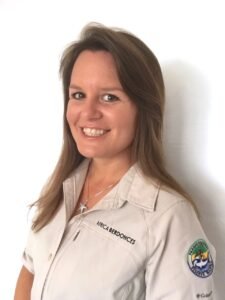
Daniela Alarcon

Founder & Research Director

Daniela Alarcon is a PhD researcher specializing in marine conservation and the ecology of migratory species. She leads the Cetacea Galápagos Program, conducting research on whales, dolphins, and sea turtles while advancing marine science, environmental education, and community-based conservation throughout the Galápagos Islands.

 Meet Daniela Alarcon →

Screenshot 2026-08-04 at 11.08.26 AM
research team galapagos

The Institutions Behind the Science

This research is conducted in partnership with the Galápagos Science CenterUniversidad San Francisco de Quito (USFQ), the University of the Sunshine Coast (Australia), and with the support of the Galápagos National Park Directorate — real institutional partners whose involvement anchors this program in genuine, peer-reviewable science rather than marketing.

Frequently Asked Questions

Do Orcas Have Families?

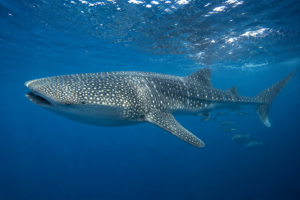
A 26-year photo-identification study reveals Galápagos orcas live in a flexible, fission-fusion society — not the fixed matrilines seen in the Pacific Northwest — plus a 2024 discovery linking a Wolf Island orca to a newly documented whale-shark predation event.
 

Do Blue Whales From Two Hemispheres Meet Here?

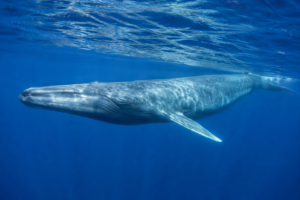
One individually tracked blue whale’s movements between the Galápagos and the Costa Rica Dome suggest the islands may be a genuine crossroads for Northern and Southern Hemisphere blue whale populations.


Is the Galápagos Cetacea Project part of Nauti Expeditions?

No — it’s an independent scientific initiative led by Dr. Daniela Alarcón. Nauti Expeditions is a partner and funder, contributing a share of tour and Bubble Netting Program profits directly to its research.


How many whale and dolphin species live in the Galápagos?

More than 24 known cetacean species have been recorded in the Galápagos Marine Reserve, including humpback whales, sperm whales, orcas, and several dolphin species.


Can I participate in the research during my trip?

The Bubble Netting Program lets guests join guided excursions focused on whale and dolphin biology, with a share of proceeds directly funding the Cetacea Galápagos Program’s ongoing work.

 
Explore Galapagos
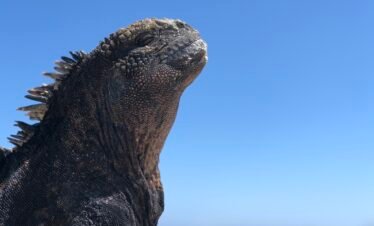
marien iguana
$450

Duration 4 Days
Difficulty Easy
Activity 7 Activities
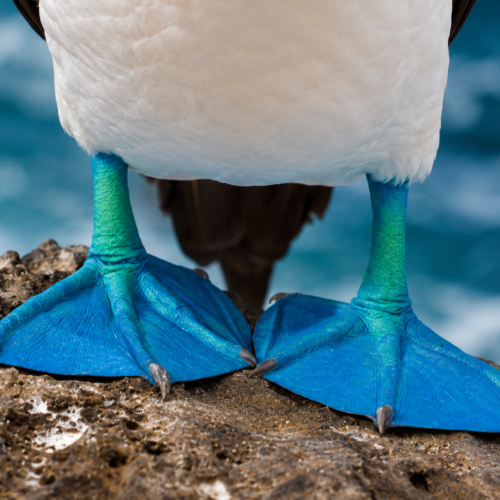
Blue-footed booby with bright blue feet standing on volcanic rock in the Galápagos Islands
$287

Duration 8 Hours
Difficulty Easy
Activity 7 Activities
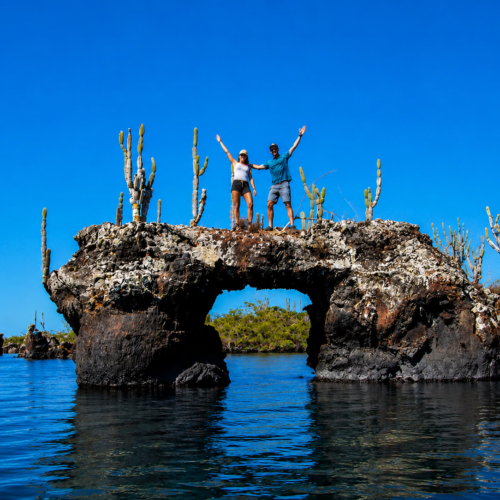
Los Túneles Isabela Tour with volcanic lava formations and Galápagos visitors
$230

Duration 8 Hours
Difficulty Easy
Activity 5 Activities
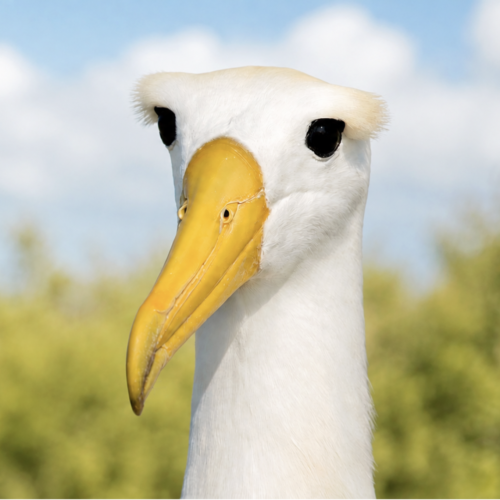
waved albatrosses on Española Island in the Galápagos
$230

Duration 8 Hours
Difficulty Easy
Activity 6 Activities
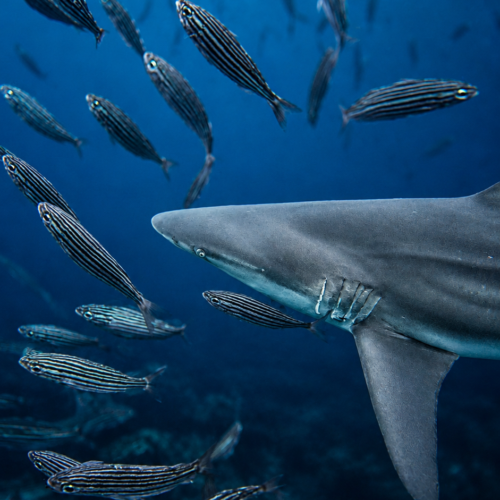
Galápagos shark swimming underwater among schools of striped fish
$197

Duration 10 Hours
Difficulty Easy
Activity 6 Activities

Ready to plan

your Galápagos

Adventure?

Planning a Galápagos trip can feel overwhelming. We’re here to help you choose the right cruise or island-hopping experience based on your interests, travel style, dates, and budget.

Get In Touch

Waved Albatross in Galápagos surrounded by green vegetation

Start Planning Your Trip

Tell us about your travel plans, and we’ll create a personalized Galápagos itinerary tailored to your interests, travel dates, and budget.

Name
Please include: • Preferred travel dates • Number of travelers • Cruise or island hopping

Meet Your Galápagos Expert

San Cristóbal, Galápagos
Ecuador EC20035

+593 98 643-3143

info@nautiexpeditions.com

For your curious mind