Do Blue Whales From Two Different Hemispheres Meet in the Galápagos?
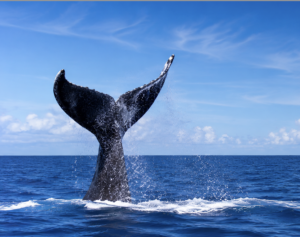
GALAPAGOS BLUE WHALES The blue whale is the largest animal known to have ever existed on Earth — larger than any dinosaur, its heart alone
A multi-day expedition aboard a small naturalist-guided yacht, moving between islands overnight so you wake up somewhere new every morning. Here’s how a Galápagos cruise works, how the categories differ, and how to choose the right one.
A Galápagos cruise is a live-aboard expedition: you sleep in a cabin on a small yacht (Ecuadorian National Park permits cap every naturalist vessel at 16 passengers per certified guide, regardless of price category) that repositions between islands while you sleep. Each day begins at a different visitor site, reached by panga (dinghy) landing, with a certified naturalist guide leading every excursion — snorkeling, hiking, and wildlife-watching are built into the itinerary rather than optional add-ons.
This is different from a land-based trip, where you stay in island hotels and take day tours to nearby sites only. Both are valid ways to see the Galápagos — the comparison below explains when each makes more sense.
The real advantage is geography, not luxury. A yacht repositions overnight while you sleep, so a cruise reaches remote visitor sites that a land-based day tour physically cannot — places like Genovesa’s seabird cliffs or Fernandina’s lava fields on the western side of the archipelago, hours of open water from the inhabited islands where day boats depart. You also skip repeated hotel check-ins: unpack once, and the itinerary comes to you.
Travelers who want the outer islands (Genovesa, Fernandina, western Isabela), don’t mind sleeping on a moving vessel, and prefer a fixed departure-date itinerary over building their own day-by-day plan.
Travelers prone to seasickness, traveling with very young children or mobility limitations, wanting a flexible day-by-day pace, or working with a tighter, day-tour-level budget. See our Compare Trip Types page for the full breakdown.
Every category below meets the same Galápagos National Park safety and guiding standard — the difference is the vessel: its age, finishes, space per guest, and service. Pick based on how you want to travel, not on whether one is “more Galápagos” than another.
Newest or most recently refit yachts, spacious cabins, refined dining and service.
A strong expedition experience — quality guiding and comfortable vessels — without ultra-luxury pricing.
The most common choice: comfortable, well-run yachts at a balanced price point.
The most accessible way to cruise the islands, on simpler, older, or smaller vessels.
A side-by-side look at what actually changes between tiers. Nauti Expeditions does not publish fixed rates for brokered cruises — pricing is quoted per yacht, itinerary, and travel date once you inquire, so positioning below is relative, not a specific figure.
| Category | Best for | Typical experience | Cabin experience | Group experience | Price positioning |
|---|---|---|---|---|---|
| Luxury | Honeymoons, milestone trips, space & privacy | Newest/most recently refit vessels, attentive service, multi-course dining | Largest cabins in the market; balconies or panoramic windows common | Full groups capped at 16 (park rule), unhurried pace | $$$$ |
| First-Class | Strong expedition quality without top-tier pricing | Well-maintained vessels, experienced naturalist guiding | Comfortable, private bathrooms standard, fewer suite upgrades | Full groups (16 max), efficient and attentive service | $$$ |
| Mid-Range | Balancing budget and comfort — most first-timers | Reliable, well-run vessels, ample simple dining | Comfortable but functional, smaller than first-class/luxury | Full groups (16 max), value-conscious travelers | $$ |
| Budget | Affordable access to the outer islands, divers | Simpler or older vessels, basic but functional common areas | Smaller cabins, portholes rather than windows on some vessels |
From shorter 4-day expeditions to longer 8-day journeys. Longer itineraries allow travelers to visit more islands and remote destinations, while shorter cruises offer a focused Galápagos experience for travelers with limited time.
Which islands a cruise visits determines the wildlife you’ll see. The Galápagos is commonly divided into itinerary circuits — here’s what each is known for.
The most volcanically active islands. Best odds for flightless cormorants (found nowhere else on Earth), dense marine iguana colonies at Punta Espinoza, Galápagos penguins, and the richest cetacean activity in the archipelago.
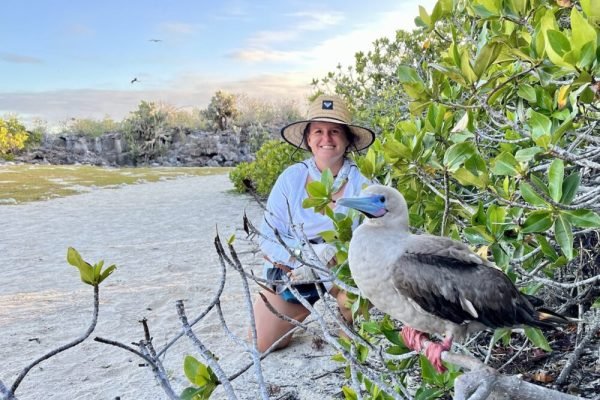
A seabird-focused itinerary: the islands’ largest red-footed booby and frigatebird colonies, plus swallow-tailed gulls — the world’s only nocturnal gull.
Española is the only nesting site on Earth for the waved albatross (April–December). Floreana adds green-sand beaches and the historic Post Office Bay barrel tradition
Every yacht page follows the same structure — quick facts, cabins, deck plan, dining, itineraries, and crew — so you can compare vessels side by side. See the master template below for what each yacht page includes.
Most travelers see meaningfully more islands and wildlife on 5–8 days than on a 4-day trip, since a cruise's core advantage — overnight repositioning — needs a few sailing days to reach the outer islands and back.
No — itinerary access depends on the route and permit, not the price tier. A budget vessel running the western circuit reaches the same Fernandina landing sites as a luxury one on the same route. Category changes the boat, not the destinations.
Some channel crossings can be felt, particularly on overnight repositionings. Over-the-counter or prescription motion-sickness remedies work well for most travelers; cabins toward the center of the vessel typically feel the least motion.
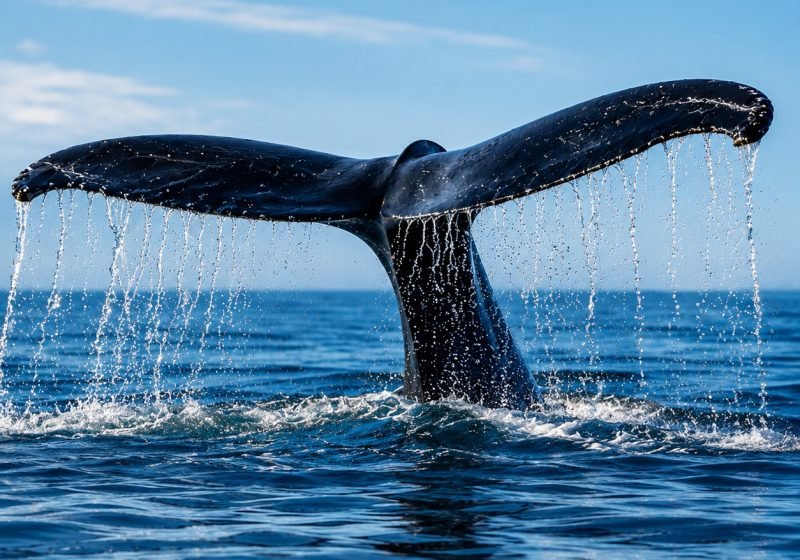
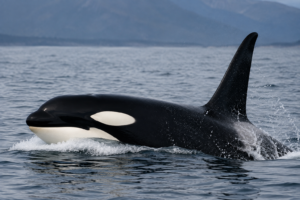
It's never guaranteed, but the western circuit around Isabela and Fernandina sees the most cetacean activity in the archipelago. Nauti's naturalist guides draw on field experience from our own Cetacea Galápagos Program, which has documented orca family groups and cross-hemisphere blue whale movement in these waters.
Start with budget and cabin priorities (space and finish matter more to some travelers than others), then match trip length and itinerary to the wildlife you most want to see. Our Compare Cruise Categories table above is the fastest way to narrow it down — or contact us and we'll match you to the right yacht.
For Galápagos, we recommend booking well in advance, as partner-yacht availability varies by season. One year ahead is generally recommended, especially for high season, while the most sought-after yachts and dates may require booking two or more years in advance.
Planning a Galápagos trip can feel overwhelming. We’re here to help you choose the right cruise or island-hopping experience based on your interests, travel style, dates, and budget.
Tell us about your travel plans, and we’ll create a personalized Galápagos itinerary tailored to your interests, travel dates, and budget.

GALAPAGOS BLUE WHALES The blue whale is the largest animal known to have ever existed on Earth — larger than any dinosaur, its heart alone

I grew up here — let me show you the magic that still lives in these islands. When people ask me what it’s like to

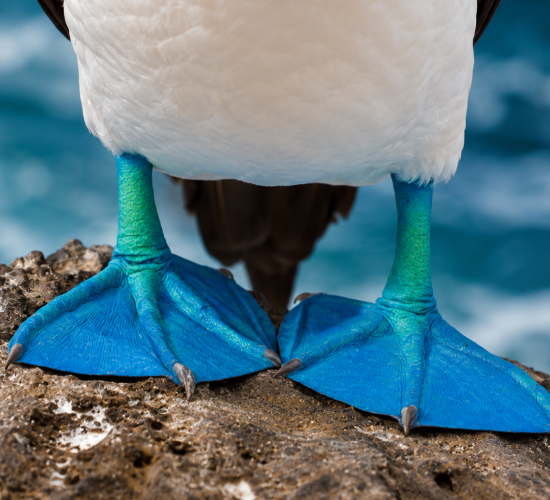
Meet the Blue-Footed Booby Few animals represent the Galápagos Islands as perfectly as the Blue-footed Booby. With their bright turquoise feet, comical personalities, and