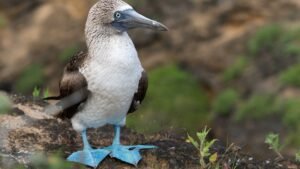
Blue-Footed Boobies: Mating Dance, Facts & Where to See Them
Meet the Blue-Footed Booby Few animals represent the Galápagos Islands as perfectly as the Blue-footed Booby. With their bright turquoise feet, comical personalities, and

Real academic field research on San Cristóbal’s urban colonies reveals a population whose daily rhythms are far more dynamic than ‘playful and curious’ travel copy usually suggests — plus where to reliably see, and safely snorkel with, them.
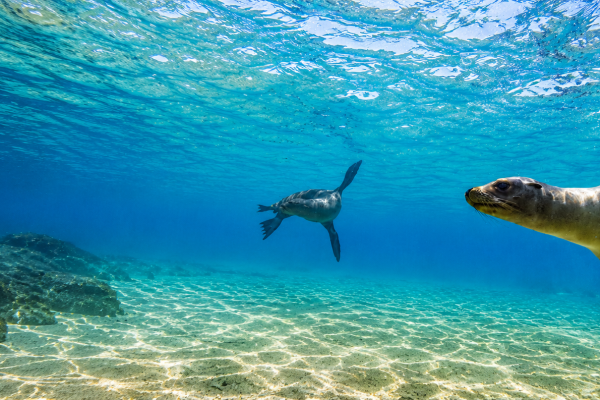
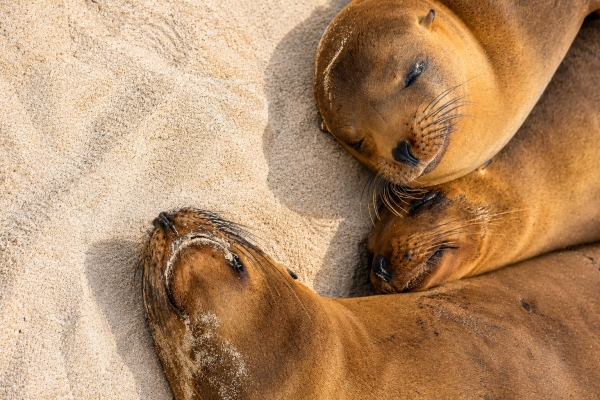
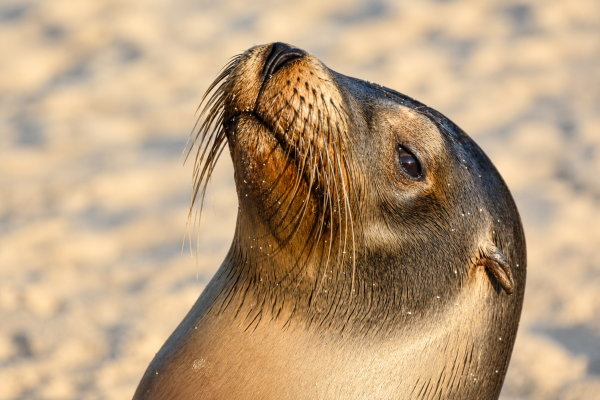
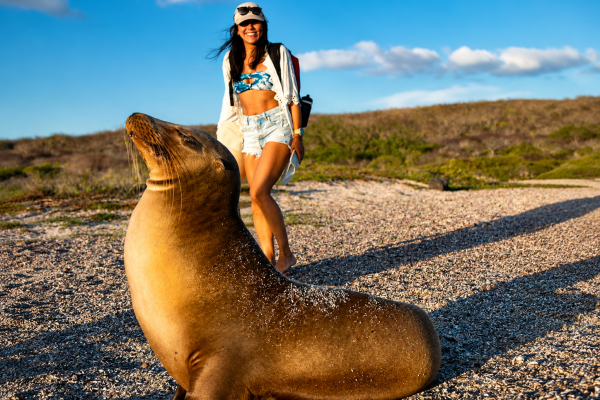
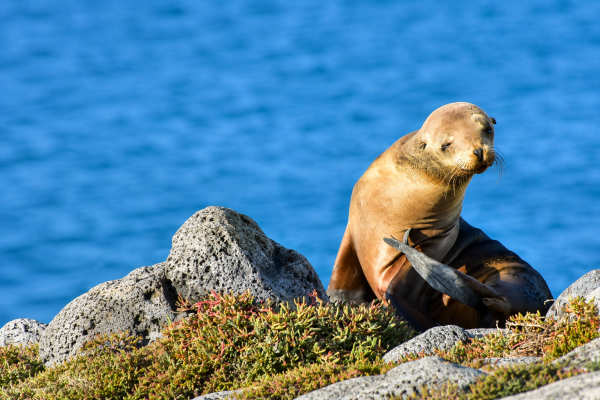
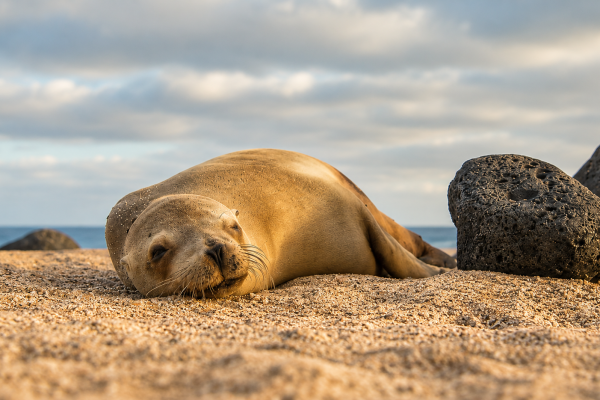
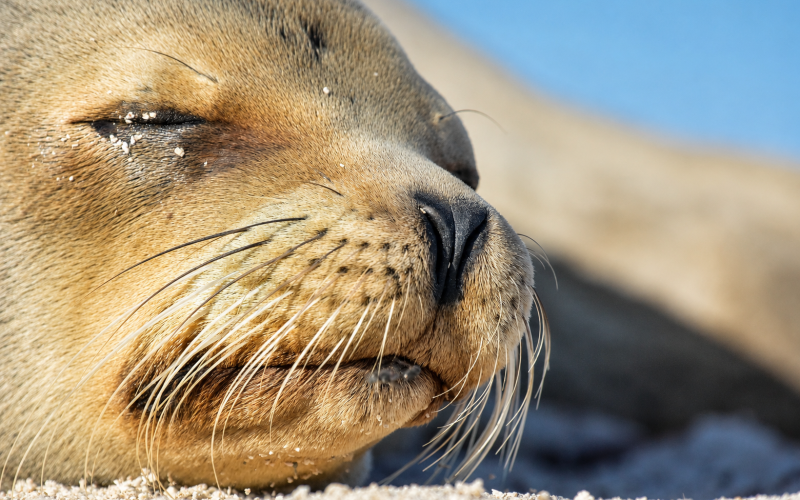
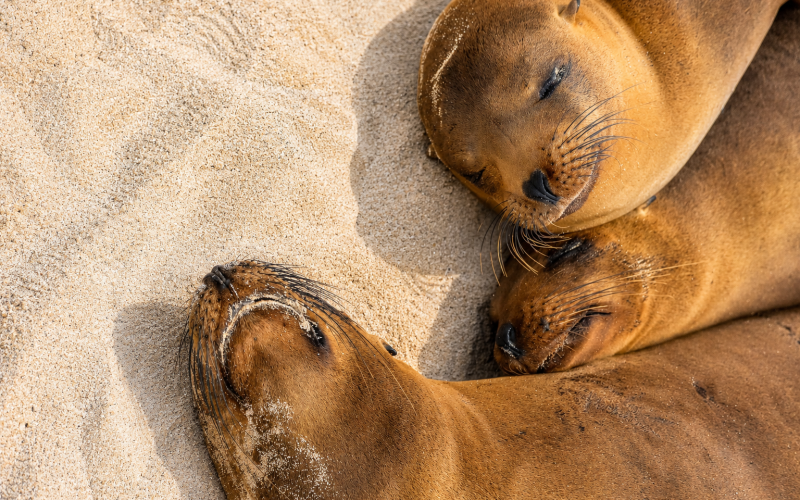
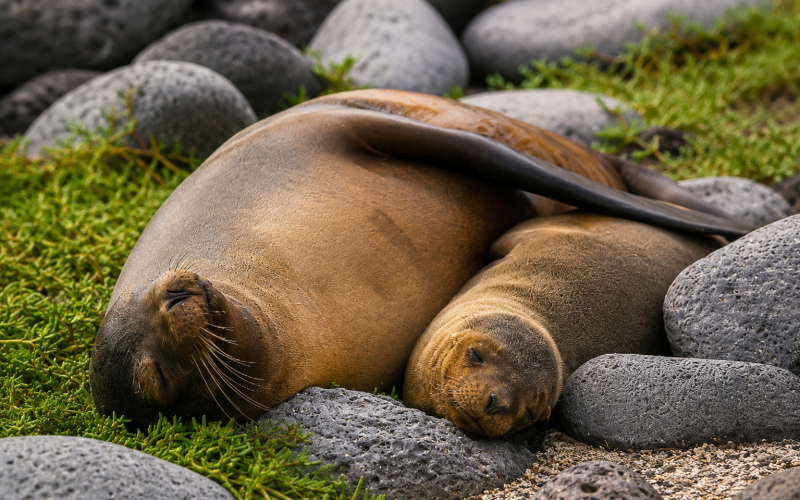
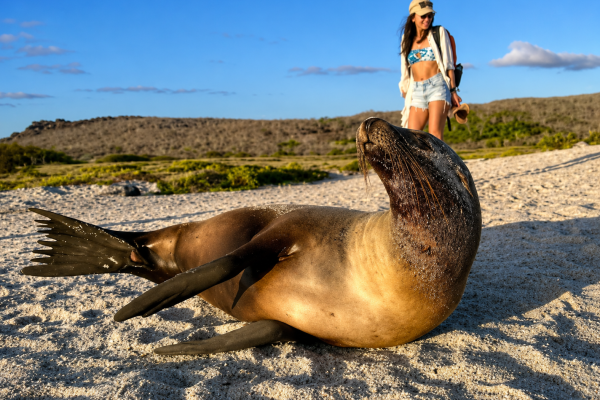
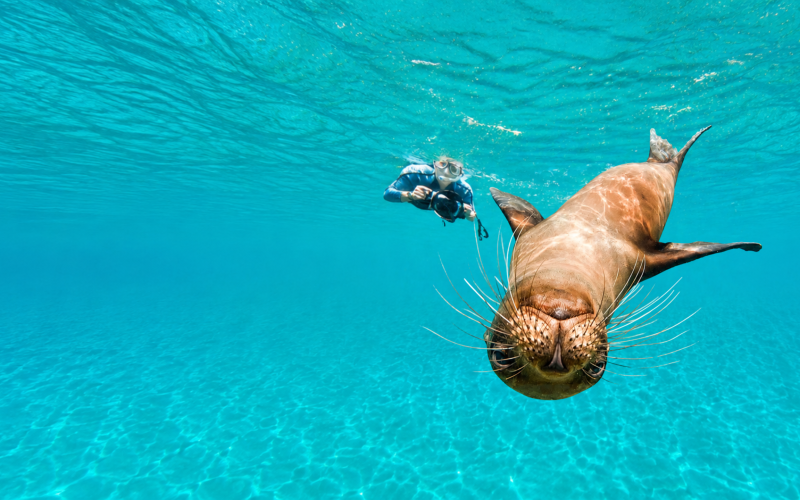
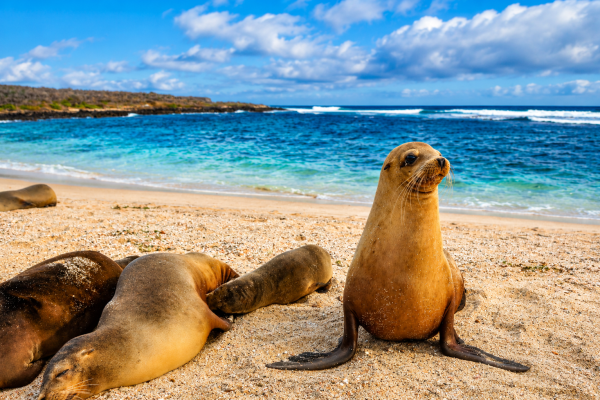
The Galápagos sea lion (Zalophus wollebaeki) is found on virtually every major island and many smaller islets across the archipelago — often the very first animal visitors meet, since colonies gather on beaches, docks, benches, and even boat ramps in town. Unlike most temperate pinnipeds, which gather only during short, synchronized breeding seasons, Galápagos sea lions are non-migratory tropical otariids that maintain large colonies year-round.
A multi-season academic field study tracked colony attendance by age and sex across four reproductive beaches on San Cristóbal Island — Carola, Playa Mann, Playa de los Marinos, and La Lobería — at different times of day across both cold and warm seasons. The finding: colony presence is highly dynamic, varying by season, site, and time of day, rather than static. Night hours at Playa de los Marinos were consistently the most frequented period across both seasons studied — a level of detail that only comes from sustained, direct observation, not a general species summary.
The Galápagos sea lion population has fallen from an estimated 40,000 individuals in the 1970s to roughly 16,000 today.
Recurring El Niño (ENSO) events are a substantial driver of that decline. The severe 1982–83 El Niño alone killed 100% of that year’s pups and 80% of territorial males — a single climate event with reproductive consequences that echoed for years afterward.
Playa Mann and La Lobería, where colonies live alongside the town itself — some of the most reliable, easy sea lion viewing anywhere in the islands.
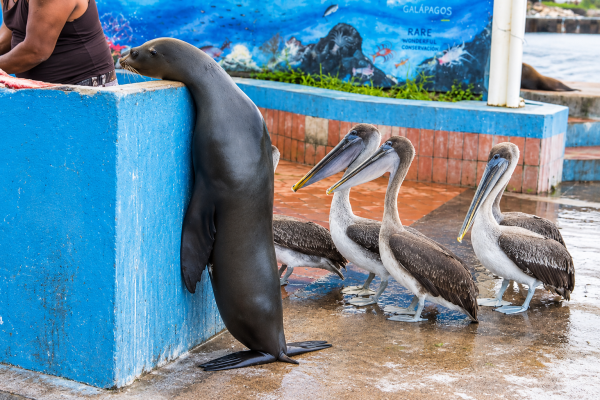
On Santa Cruz, sea lions regularly gather at the town’s fish market, waiting for scraps alongside pelicans.
Young sea lions are famously curious and will often approach and “play” with snorkelers — spinning, blowing bubbles, and darting close for a closer look. Let the animal initiate the interaction rather than chasing, touching, or cornering one, and stay especially cautious around territorial adult males during breeding season, who can behave defensively near their colony.
Ask us about San Cristóbal and Isabela departures with the most reliable sea lion encounters.
Recurring El Niño events are a major driver — the 1982–83 event alone killed 100% of that year's pups and 80% of territorial males, with population-wide effects that took years to recover from.
Yes — they're commonly spotted plunge-diving or resting along San Cristóbal's malecón, visible on a simple waterfront walk.
They're visible year-round, though courtship displays are most concentrated from roughly June through December — see Best Time to Visit for the full seasonal picture.
Planning a Galápagos trip can feel overwhelming. We’re here to help you choose the right cruise or island-hopping experience based on your interests, travel style, dates, and budget.
Tell us about your travel plans, and we’ll create a personalized Galápagos itinerary tailored to your interests, travel dates, and budget.

Meet the Blue-Footed Booby Few animals represent the Galápagos Islands as perfectly as the Blue-footed Booby. With their bright turquoise feet, comical personalities, and

Best Time to Visit The Galapagos The Galapagos Islands are a year-round destination, but the best time to visit depends on what you want to

Do Killer Whales Have Families? What 26 Years of Galápagos Photographs Reveal Ask most people whether killer whales have families, and they’ll say yes without