Best Best Time to Visit Galapagos for Wildlife & Weather
Best Time to Visit The Galapagos The Galapagos Islands are a year-round destination, but the best time to visit depends on what you want to
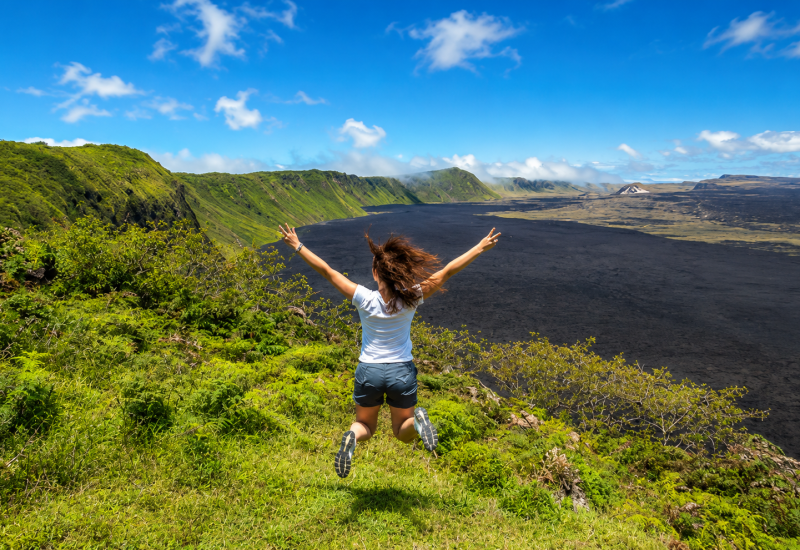
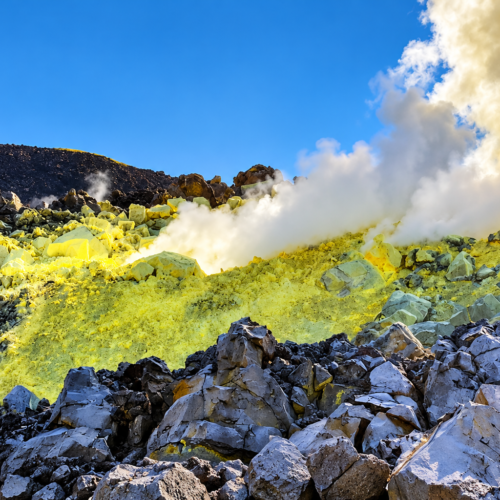
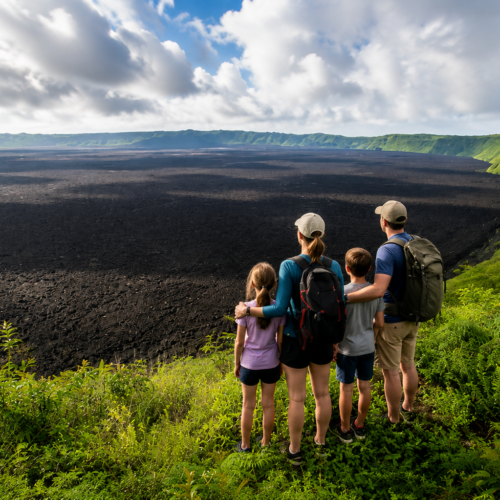
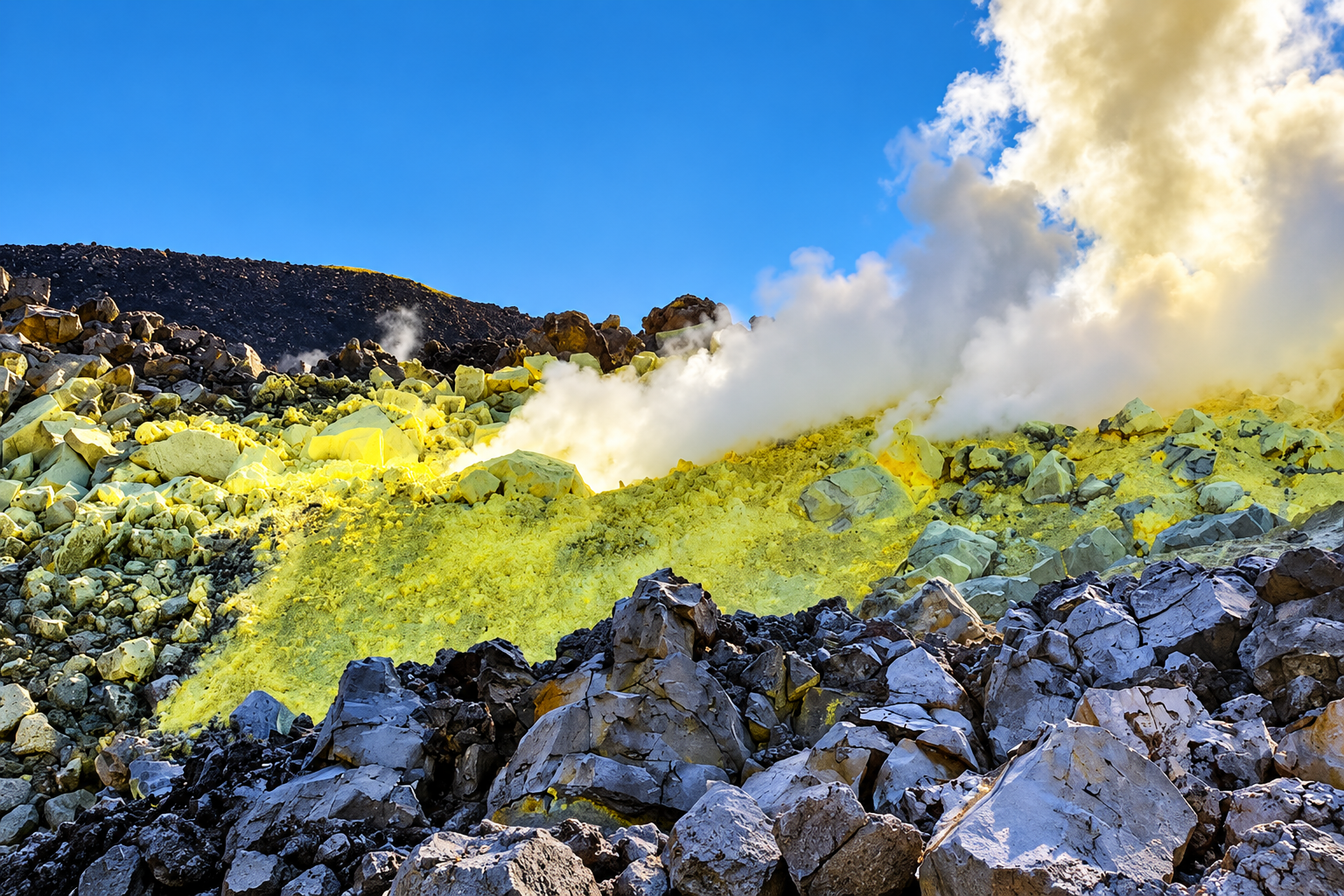
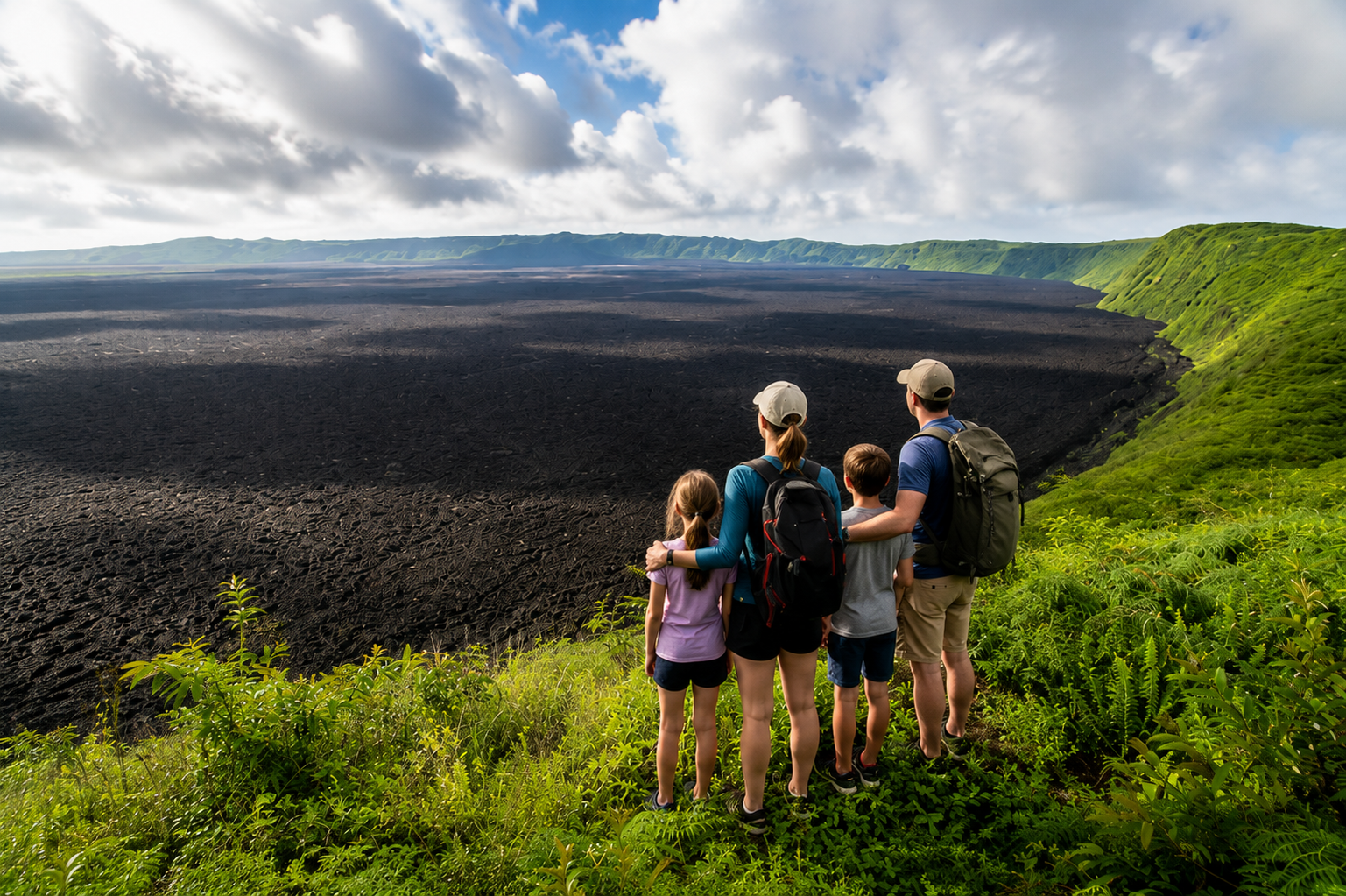
The archipelago’s largest and least developed island — home to Sierra Negra volcano, the Tintoreras islet, and the Galápagos’ most rustic town.
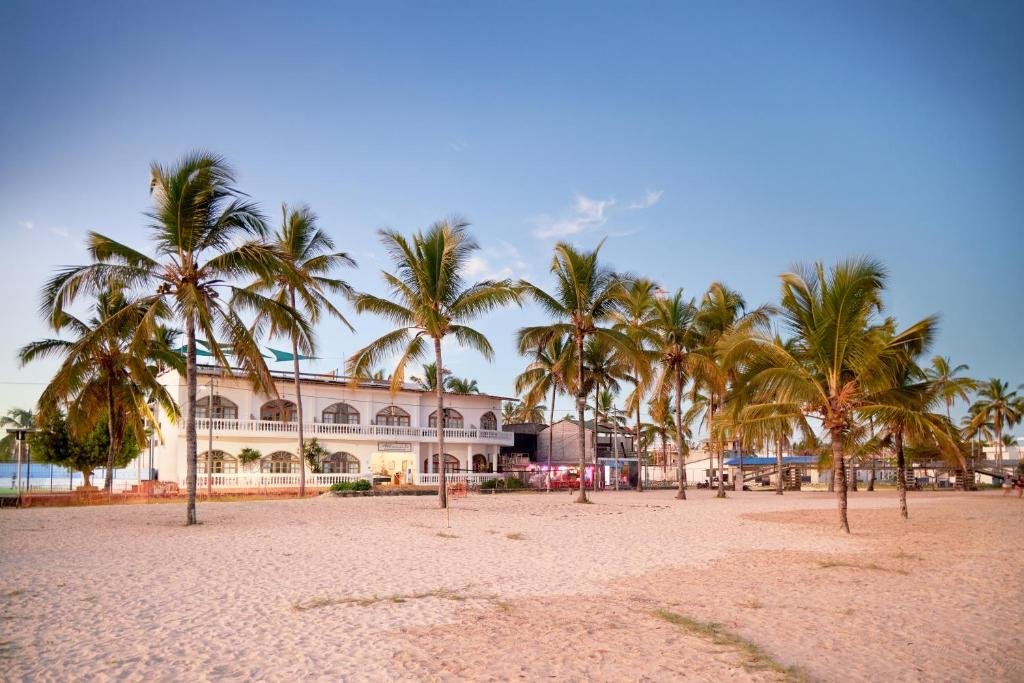
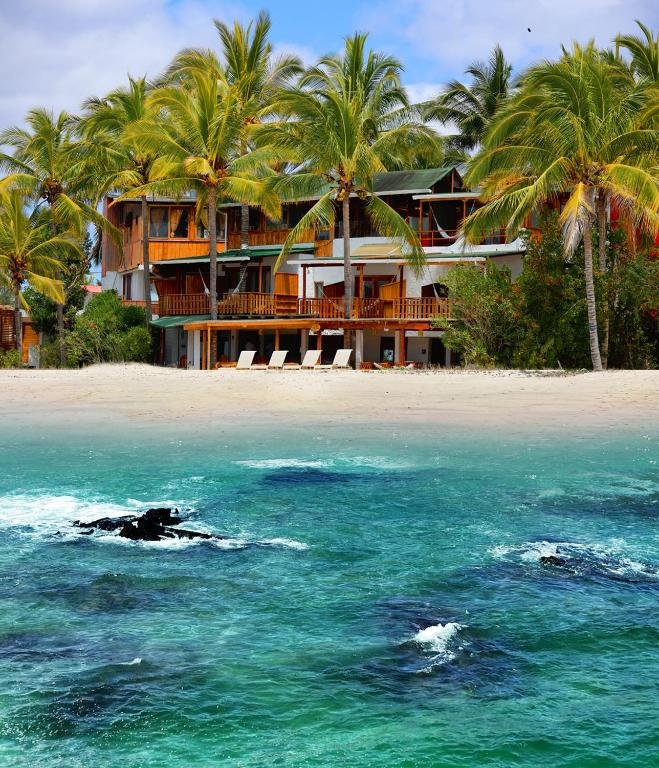
Isabela is the largest island in the Galápagos by landmass, but the least populated and developed — centered on the small, rustic town of Puerto Villamil. It has fewer restaurants and hotel options than Santa Cruz or San Cristóbal, but a genuinely quieter, less touristed feel that some visitors specifically seek out.
Isabela isn’t served by direct flights from Baltra or San Crsitobal.
A small inter-island flight, or a roughly two-hour speedboat ferry from Santa Cruz — which can be choppy, honestly.
A small, low-key town — the extra travel time is genuinely worth it for what’s here.
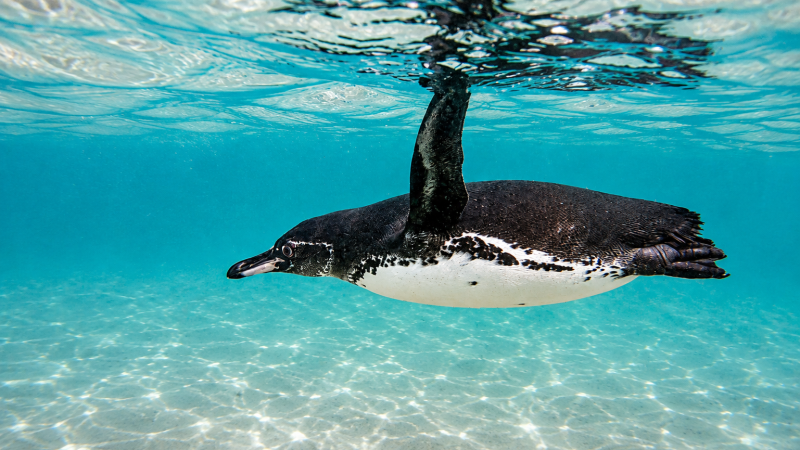
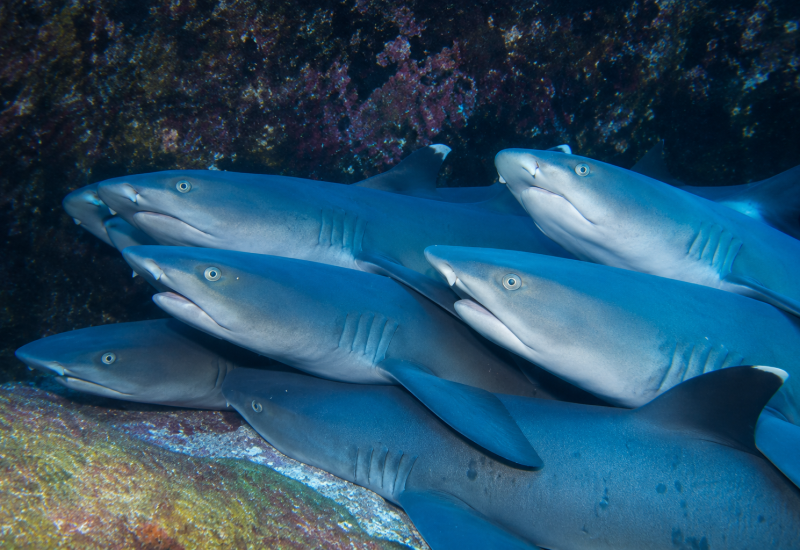
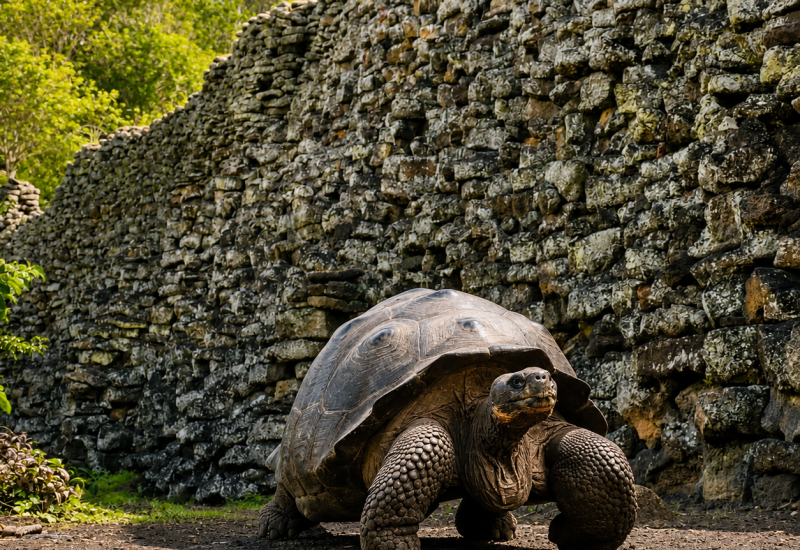
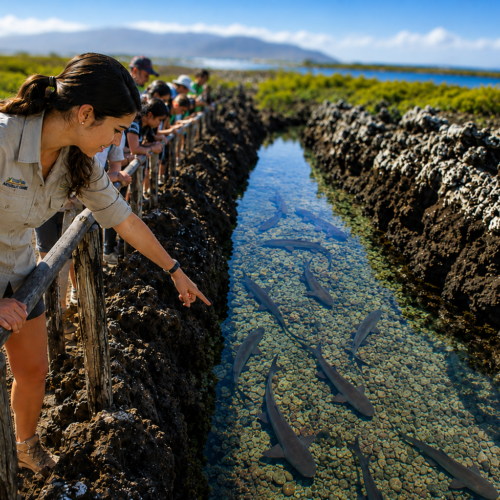
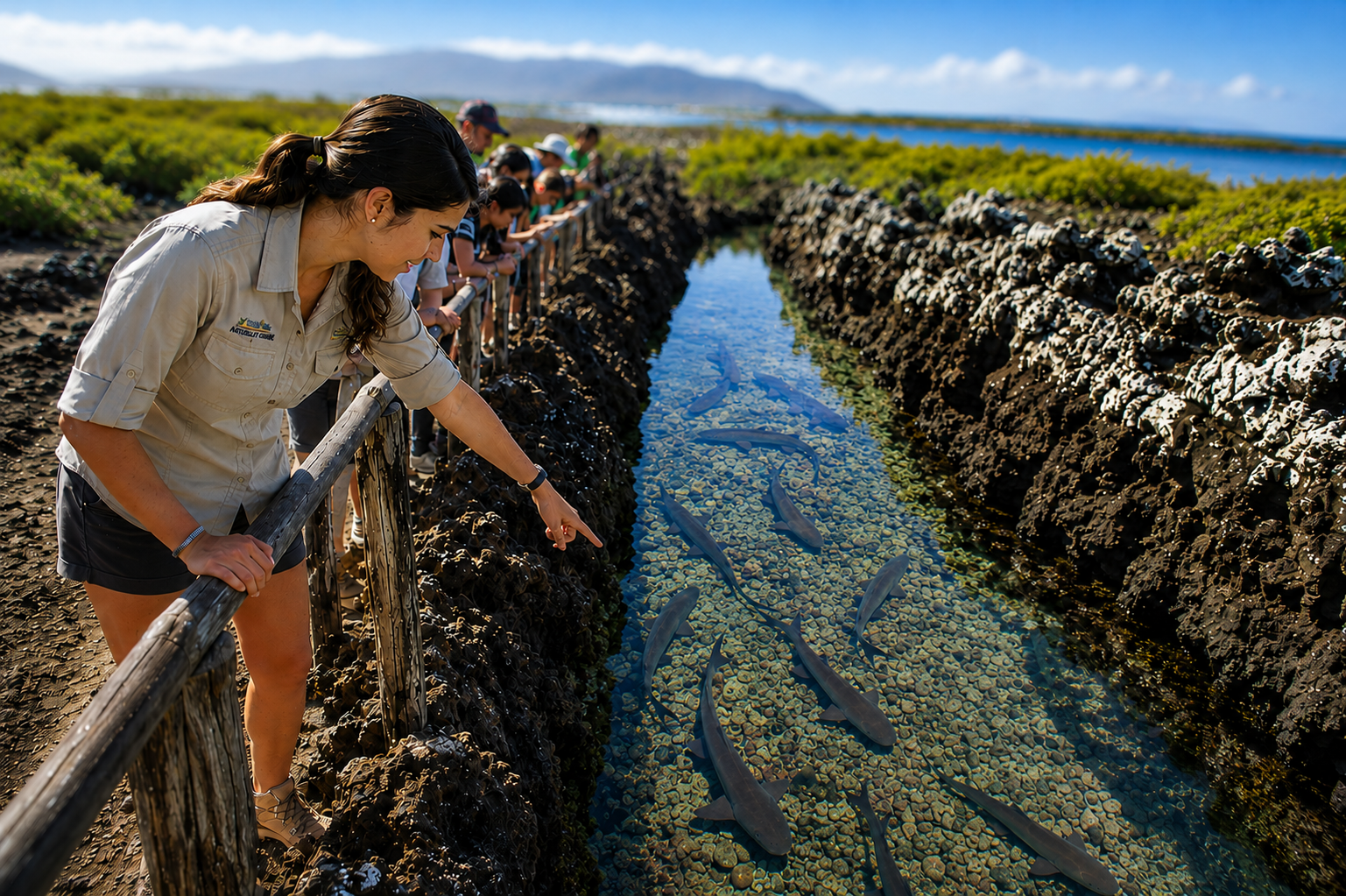
White-tip reef sharks at Tintoreras, marine iguanas along the coast, flamingos in the coastal wetlands, and giant tortoises near the breeding center outside town.
See the Wildlife Hub for the full picture.
For most visitors, yes — Sierra Negra and Tintoreras are genuinely distinct from what Santa Cruz or San Cristóbal offer, and the quieter town feels different from either.
It’s roughly two hours and can be choppy, especially in the cool season. Motion sickness medication is worth having if you’re prone to it.
Most visitors spend 2–3 days here, enough for Sierra Negra, Tintoreras, and the Wall of Tears without rushing.
Planning a Galápagos trip can feel overwhelming. We’re here to help you choose the right cruise or island-hopping experience based on your interests, travel style, dates, and budget.
Tell us about your travel plans, and we’ll create a personalized Galápagos itinerary tailored to your interests, travel dates, and budget.

Best Time to Visit The Galapagos The Galapagos Islands are a year-round destination, but the best time to visit depends on what you want to

The Story Behind the Research In 1792, a British whaling captain named James Colnett sailed into Galápagos waters and wrote back to England that the
I grew up here — let me show you the magic that still lives in these islands. When people ask me what it’s like to