Blue-Footed Boobies: Mating Dance, Facts & Where to See Them
Meet the Blue-Footed Booby Few animals represent the Galápagos Islands as perfectly as the Blue-footed Booby. With their bright turquoise feet, comical personalities, and
From whitetip reef sharks resting in shallow channels to Darwin Island’s world-famous whale sharks — an honest species guide, including the safety facts most pre-trip searches are really asking about..
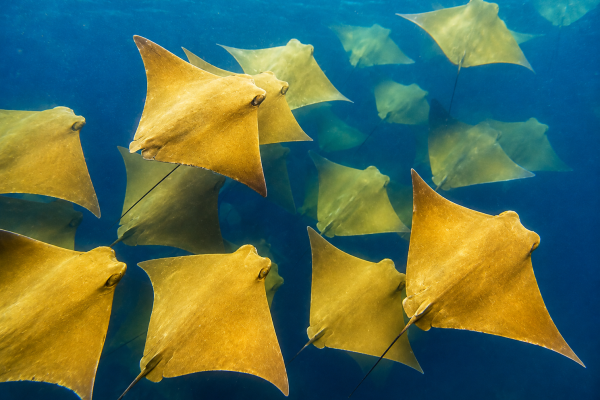
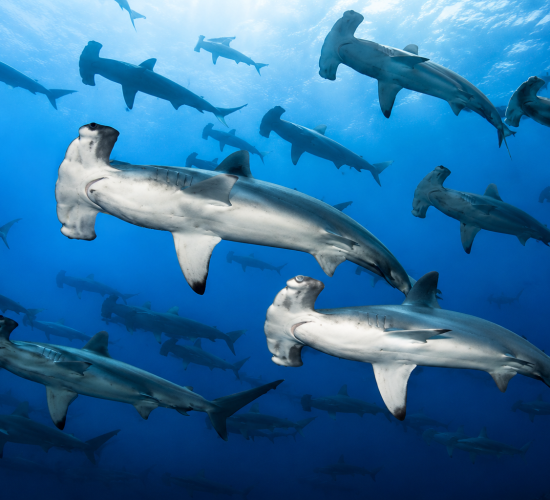
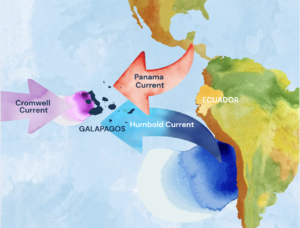
The same force that shapes so much of Galápagos marine life drives its shark and ray populations: the Cromwell Current’s upwelling fuels an exceptionally productive food web, drawing large numbers of sharks and rays to feed in numbers rarely seen elsewhere on Earth. It’s the reason the Galápagos consistently ranks among the world’s top shark-diving destinations.
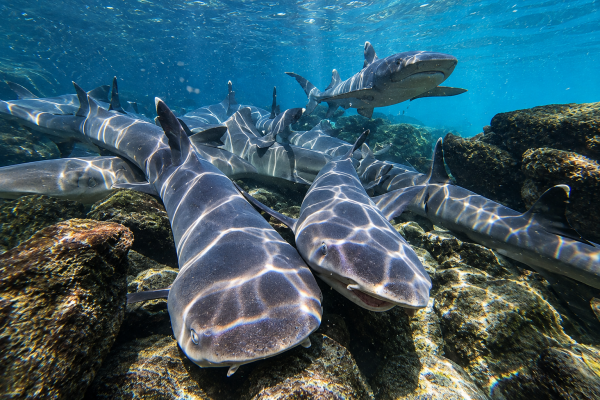
Locally called “tintoreras” — seen resting in shallow channels at Isabela’s Tintoreras Islets.
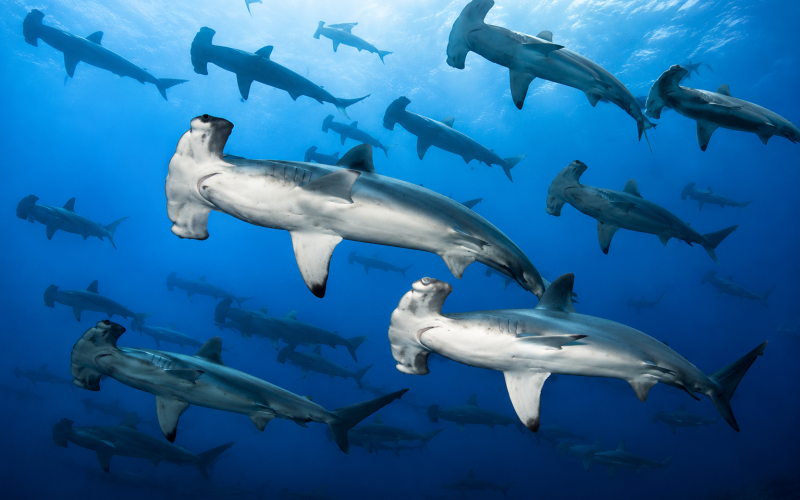
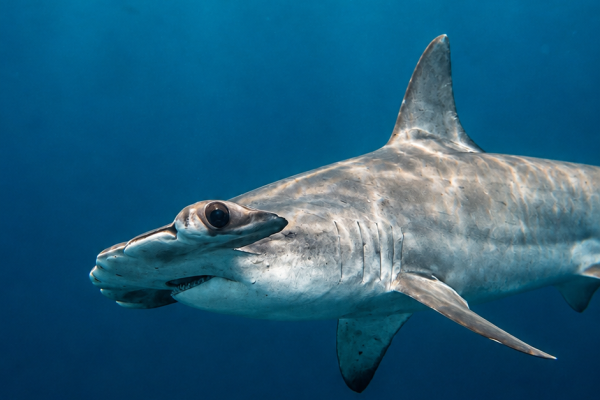
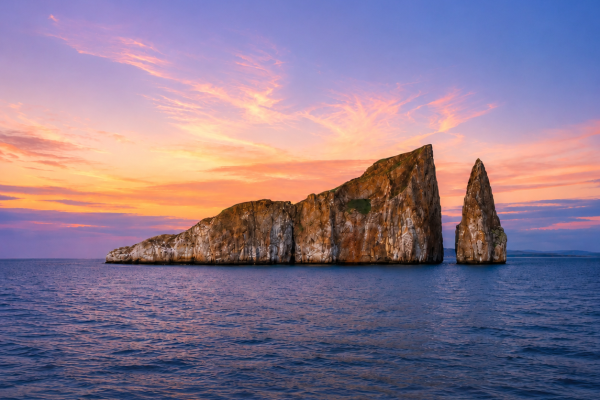
The signature species of Kicker Rock and San Cristóbal — often seen in open water off the famous split rock.
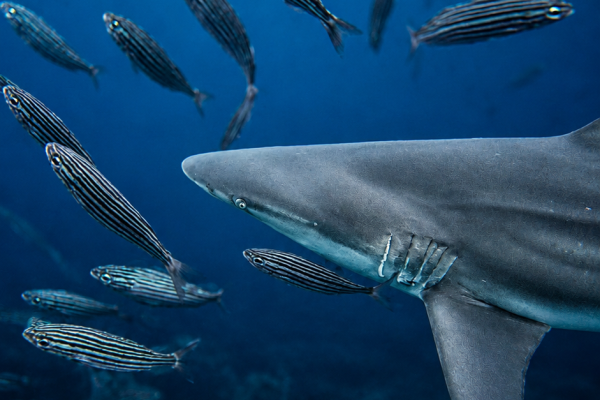
Often seen in open water and near some bays fully mature.
Juveniles in Santa Cruz bay in front of town and some mangroves that work as nurseries.
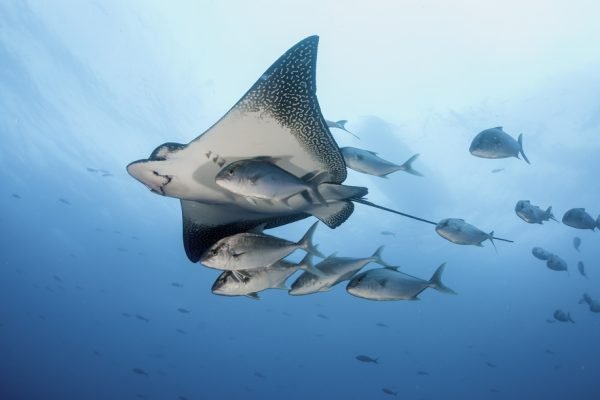
Widely seen while snorkeling, including at Tunnels off Isabela.
often seen in bays and mangrove areas
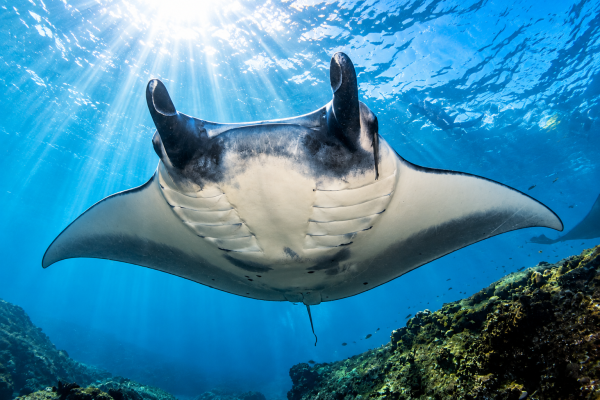
Occasional sightings, most often reported at Tunnels and around Isabela’s western waters.
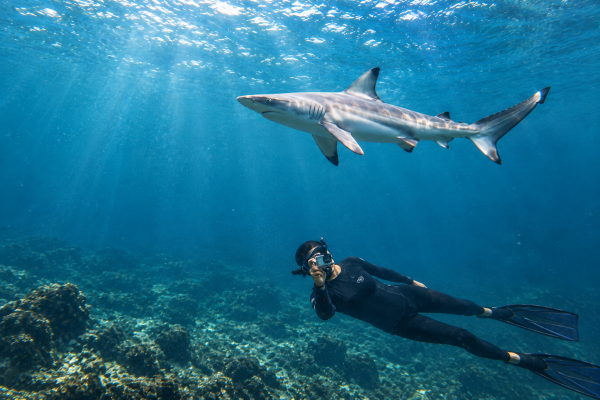
Yes. Galápagos reef sharks — whitetip, hammerhead, and Galápagos sharks — are not considered a meaningful threat to snorkelers and divers under normal guided conditions. For most visitors, swimming near sharks becomes one of the most sought-after experiences of the trip rather than something to fear. Standard guide-led safety practices apply: maintain distance, never touch or chase, and stay close to your group.
Accessible day tours: whitetip reef sharks at Tintoreras, hammerheads and Galápagos sharks at Kicker Rock, eagle rays and occasional manta rays at Tunnels — all reachable on standard day-tour departures. Advanced / liveaboard only: Darwin and Wolf’s whale shark aggregations, which require a dedicated liveaboard diving itinerary rather than a day tour.
From Kicker Rock’s hammerheads to Darwin’s whale sharks, we’ll match the right site to your experience level.
Yes — under normal guided conditions, Galápagos reef sharks are not considered a meaningful threat to snorkelers and divers, and shark encounters are one of the most sought-after wildlife experiences in the islands.
In central and eastern islands at the beginning of the season sometimes.
Darwin and Wolf Islands are one of the world's best-known whale shark aggregation sites, but they're reached only via liveaboard diving trips, not standard day tours..
Kicker Rock off San Cristóbal is the classic accessible site for scalloped hammerhead and Galápagos shark sightings on a standard day tour.
Planning a Galápagos trip can feel overwhelming. We’re here to help you choose the right cruise or island-hopping experience based on your interests, travel style, dates, and budget.
Tell us about your travel plans, and we’ll create a personalized Galápagos itinerary tailored to your interests, travel dates, and budget.

Meet the Blue-Footed Booby Few animals represent the Galápagos Islands as perfectly as the Blue-footed Booby. With their bright turquoise feet, comical personalities, and

By Africa Berdonces – Naturalist Guide & Founder of Nauti Expeditions Growing up among giant tortoises. In the highlands of Santa Cruz, seeing giant tortoises

Do Killer Whales Have Families? What 26 Years of Galápagos Photographs Reveal Ask most people whether killer whales have families, and they’ll say yes without