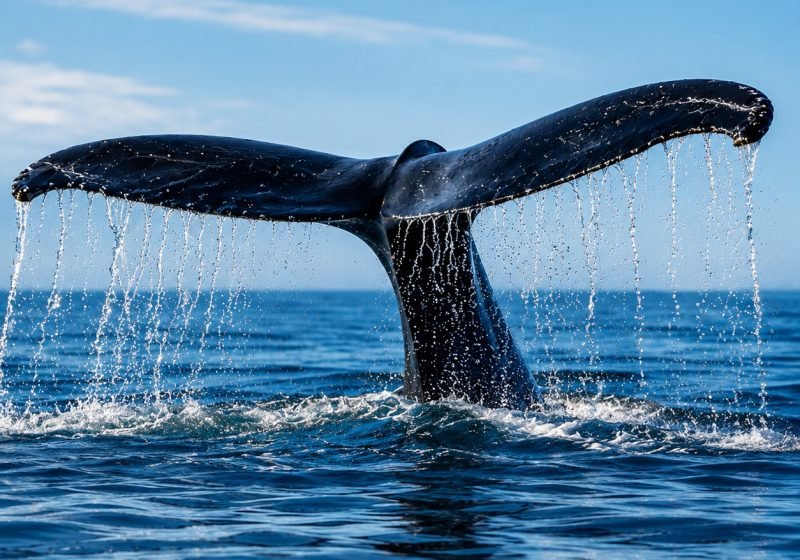
From resident sea lion colonies to the Cetacea Galápagos Program’s original orca and blue whale research — every marine mammal species documented in the islands, organized in one place.
Sea Lions & Fur Seals
The Galápagos’ Two Pinnipeds
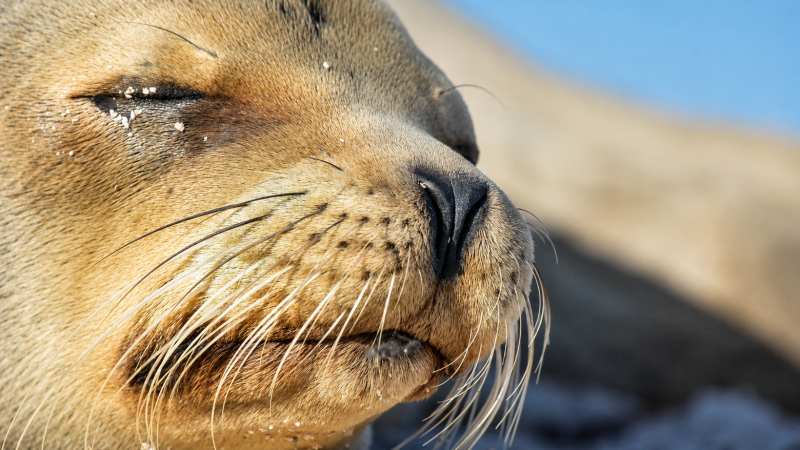
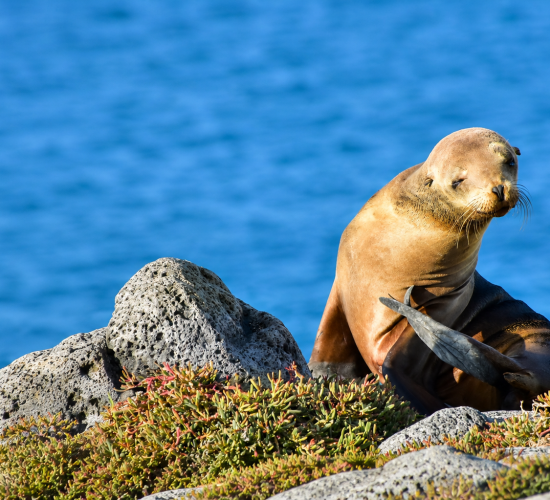
The Galápagos has two resident pinniped species, and visitors meet one far more often than the other. The Galápagos sea lion (Zalophus wollebaeki) is the animal you’ll see lounging on benches, docks, and beaches across nearly every island — highly social, active by day, and the subject of real academic field research covered in full on its own page. The Galápagos fur seal (Arctocephalus galapagoensis) is smaller, more nocturnal, and prefers rockier, shadier coastlines — a genuinely different animal, though it’s frequently mistaken for a young sea lion at a glance.
The fur seal doesn’t have its own page yet — this hub is its primary coverage on the site for now.
We collect data, study individuals and populations
Conservation Action
Science driven desitions that supports marine life
Frequently Asked Questions
What’s the difference between a Galápagos sea lion and a fur seal?
Sea lions are larger, more numerous, active by day, and seen constantly across the islands. Fur seals are smaller, more nocturnal, and prefer shadier, rockier coastlines — genuinely different species, though young sea lions and fur seals are easy to confuse at a glance.
How many marine mammal species live in the Galápagos?
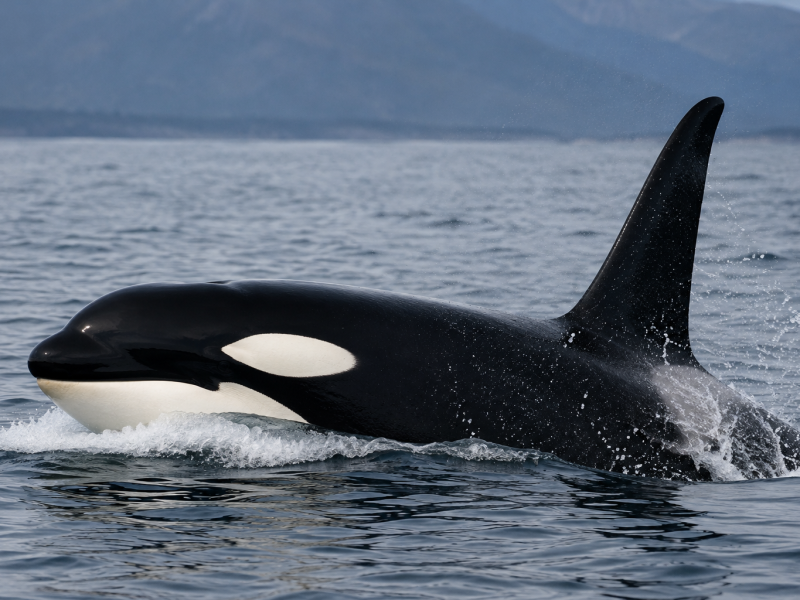
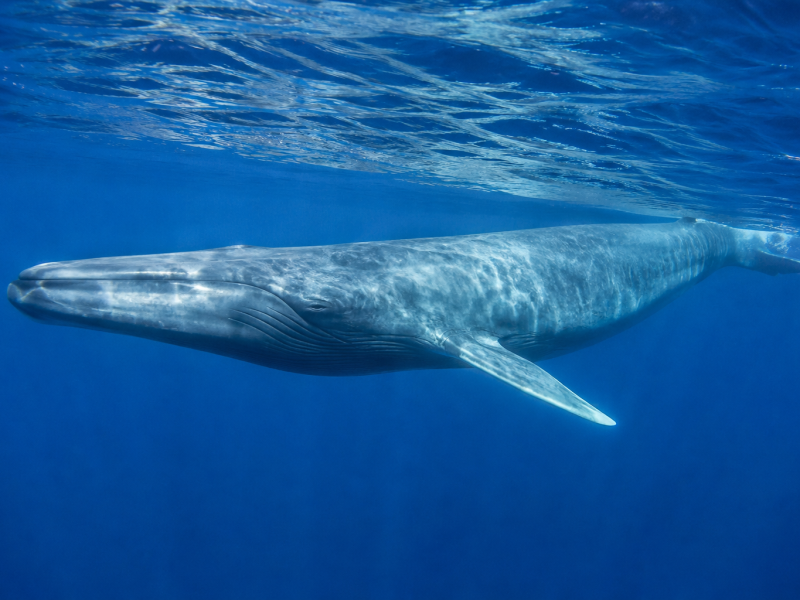
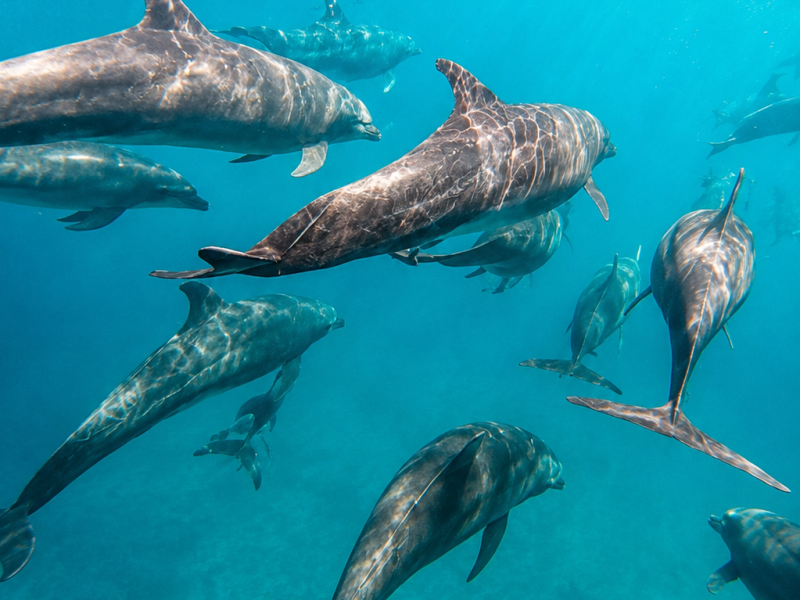
Two pinniped species (sea lion and fur seal) plus at least 24 documented cetacean species — orcas, several baleen whales, sperm and beaked whales, and multiple dolphin species — making the Galápagos Marine Reserve one of the most cetacean-diverse protected areas in the Tropical Eastern Pacific.
Is the Cetacea Galápagos Program open to travelers?
Select trips include opportunities to learn directly from the program’s research team. Ask us when planning your trip if this interests you.
Ready to plan
your Galápagos
Adventure?
Planning a Galápagos trip can feel overwhelming. We’re here to help you choose the right cruise or island-hopping experience based on your interests, travel style, dates, and budget.