........

Galápagos

Wildlife Guide

Sea lions, blue-footed boobies, marine iguanas, and more — a local naturalist’s guide to Galápagos wildlife, organized by category and where to see it.

Wildlife by Category

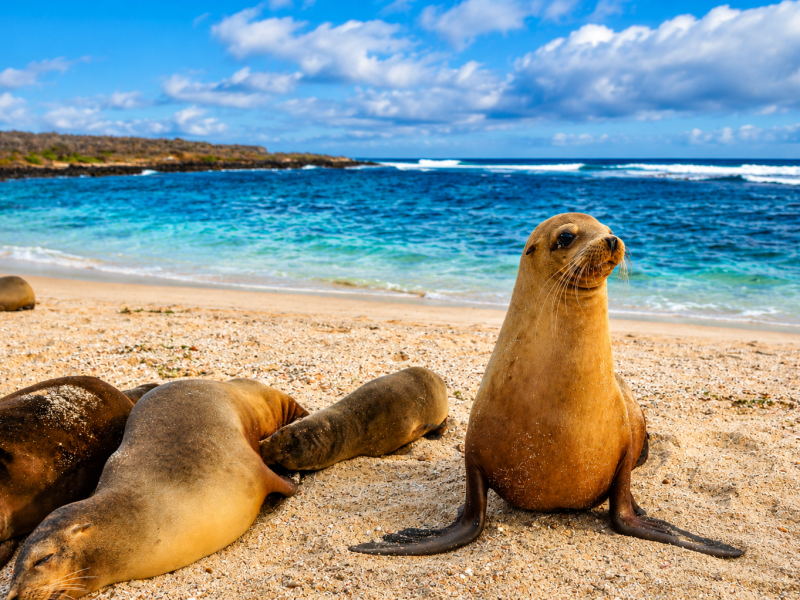
Galápagos sea lions resting on La Lobería Beach in San Cristóbal
Marine Mammals

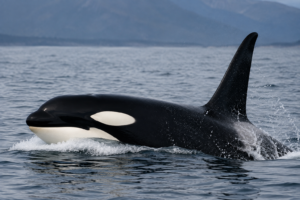
Sea lions, fur seals, and the whales and dolphins studied through our own Cetacea Galápagos Program.

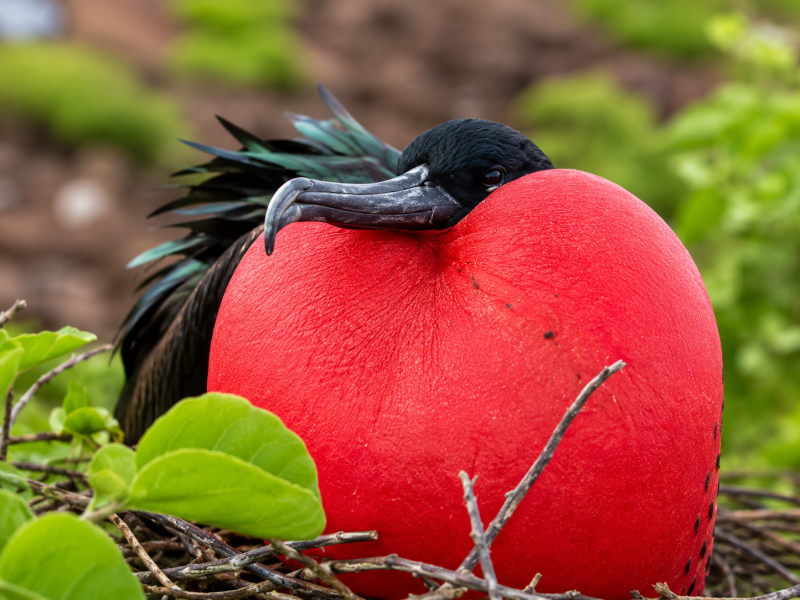
Male magnificent frigatebird displaying its red throat pouch in the Galápagos Islands
Birds

Blue-footed boobies, frigatebirds, waved albatross, and Galápagos penguins among the archipelago’s headline species.

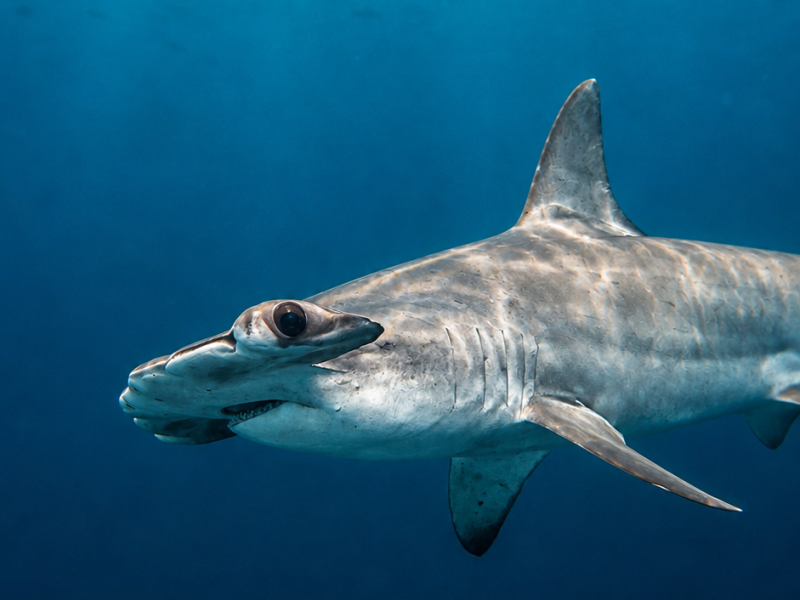
Hammerhead shark swimming through deep blue water in the Galápagos
Sharks and Rays

White-tip reef sharks, hammerheads, golden rays, and more — where to reliably see each.

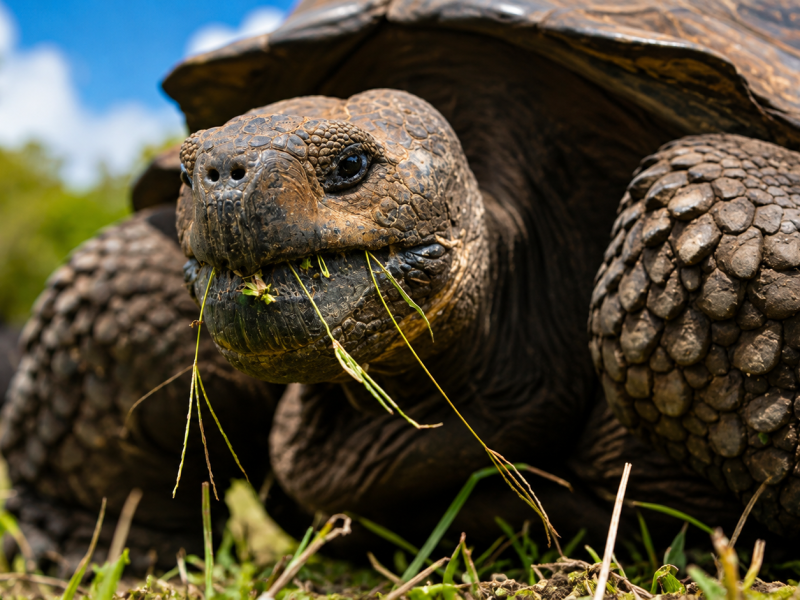
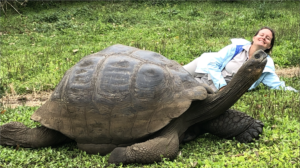
Galápagos giant tortoise walking through its natural habitat on Santa Cruz Island
Reptiles

Giant tortoises, marine and land iguanas, and the endemic Galápagos lava lizard.

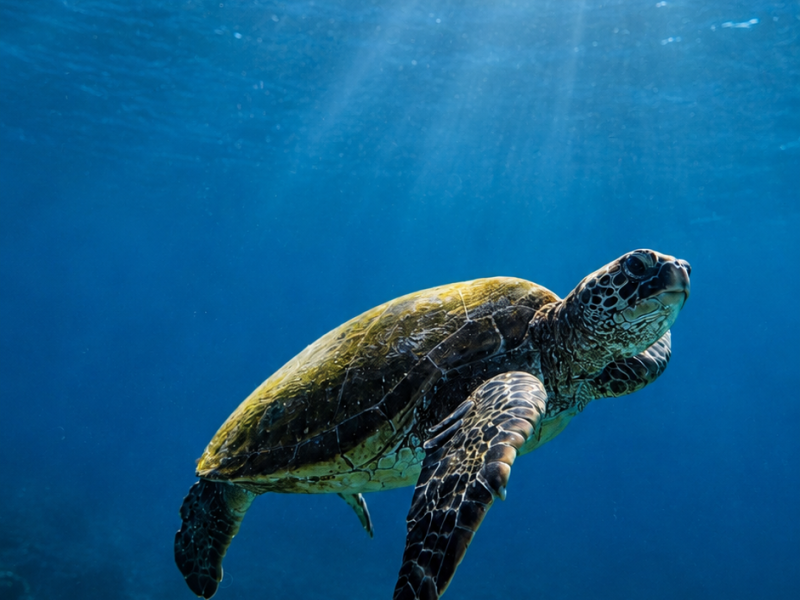
Green sea turtle swimming through clear blue water in the Galápagos
Marine Life

Reef fish, sea turtles, and the invertebrates and corals that fill out the underwater ecosystem.

Why Galápagos Wildlife Is So Unusual


Most Galápagos wildlife evolved with no land predators and little reason to fear humans — which is why a sea lion will nap a few feet from a trail, or a mockingbird will land on your boot. That fearlessness isn’t a trick of tourism; it’s a genuine evolutionary trait.

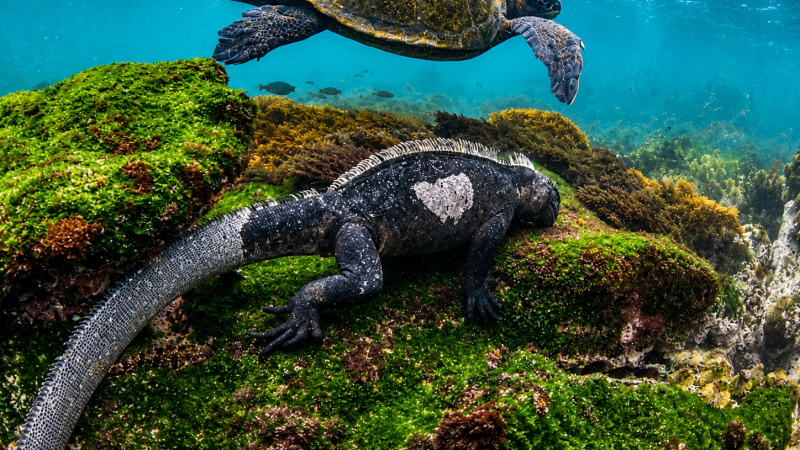
The islands’ isolation also drove intense endemism: species like the marine iguana and the flightless cormorant evolved nowhere else, adapting to a landscape and ocean environment found only here.

Galápagos marine iguana resting on an algae-covered rock as a sea turtle swims above it underwater

When to See Which Species

Specie

Best Season

Where

Blue-Footed Boobies (courtship)

June–December

North Seymour, Española

Waved Albatross

April–December
Española

Whales & Dolphins

June–September (peak)

Bolívar Channel, open water crossings

Galápagos Penguins

Year-round, best June–September

Bartolomé, Isabela

Frequently Asked Questions


Will I really see wildlife up close?

Yes — Galápagos wildlife’s lack of fear toward humans is one of the archipelago’s defining features. Guides still maintain National Park distance rules to keep it that way.


What’s the single best animal encounter in Galápagos?

There’s no single answer — it depends on the season and what you’re drawn to. Snorkeling with sea lions and watching blue-footed booby courtship are two of the most consistently memorable.


Is the Cetacea Galápagos Program open to travelers?

Select trips include opportunities to learn directly from the program’s research team. Ask us when planning your trip if this interests you.

Explore • Understand • Protect

Every Expedition

Help Protect 

The Galapagos

Your Journey fuels scientific research and helps conserve one of the most extraordinary marine ecosystems on earth

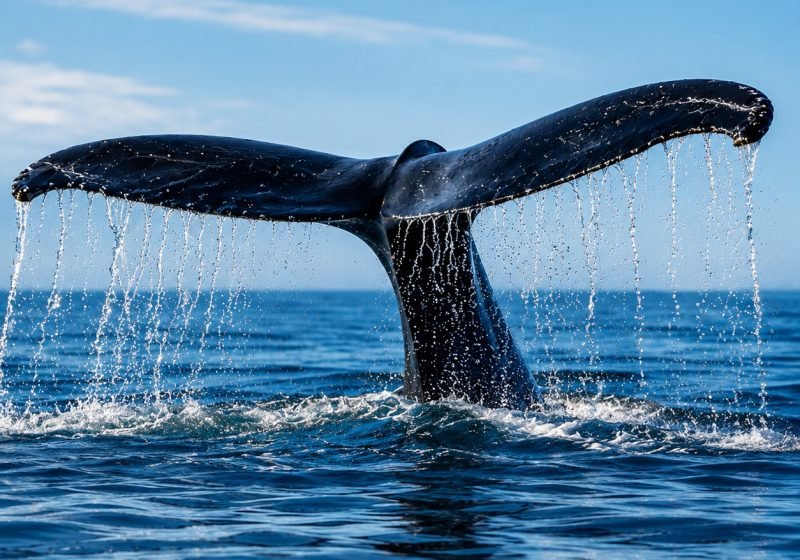
Whale tail rising from the blue ocean with water streaming from its flukes
2 (2)

Book an Expedition

Join a responsable Galapagos Adventure

2 (8)

Fund Scientific Research 

Every booking supports the research 

2 (7)

Cetacenas Monitoring

We collect data, study individuals and populations

2 (6)

Conservation Action

Science driven desitions that supports marine life

Ready to plan

your Galápagos

Adventure?

Planning a Galápagos trip can feel overwhelming. We’re here to help you choose the right cruise or island-hopping experience based on your interests, travel style, dates, and budget.

Get In Touch

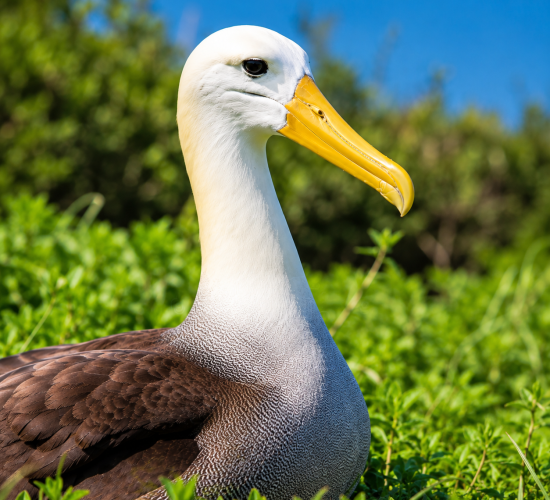
Waved Albatross in Galápagos surrounded by green vegetation

Start Planning Your Trip

Tell us about your travel plans, and we’ll create a personalized Galápagos itinerary tailored to your interests, travel dates, and budget.

Name
Please include: • Preferred travel dates • Number of travelers • Cruise or island hopping

Meet Your Galápagos Expert

For your curious mind