

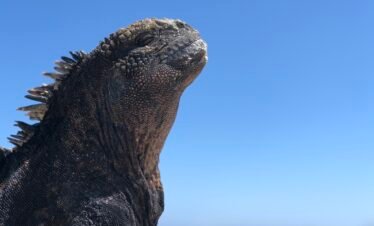
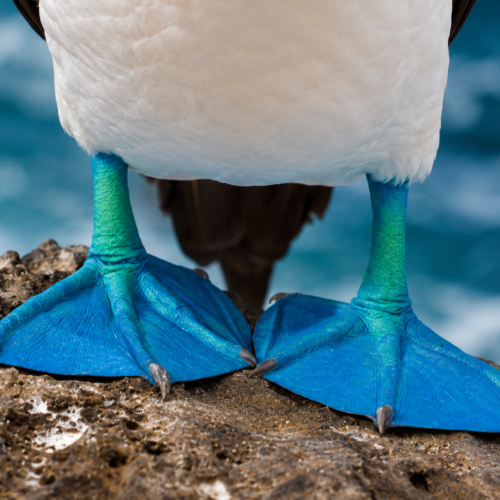
When most people think of the Galápagos Islands, they picture giant tortoises, blue-footed boobies, and marine iguanas. Yet beneath this remarkable wildlife lies an equally fascinating story: the geology that created the islands themselves.
The Galápagos Islands are among the youngest and most volcanically active archipelagos on Earth. Born from fire deep beneath the Pacific Ocean, these islands continue to evolve today through volcanic eruptions, lava flows, and tectonic processes. Understanding their geological origins helps explain not only the dramatic landscapes visitors see today but also the extraordinary evolution of the species that call these islands home.
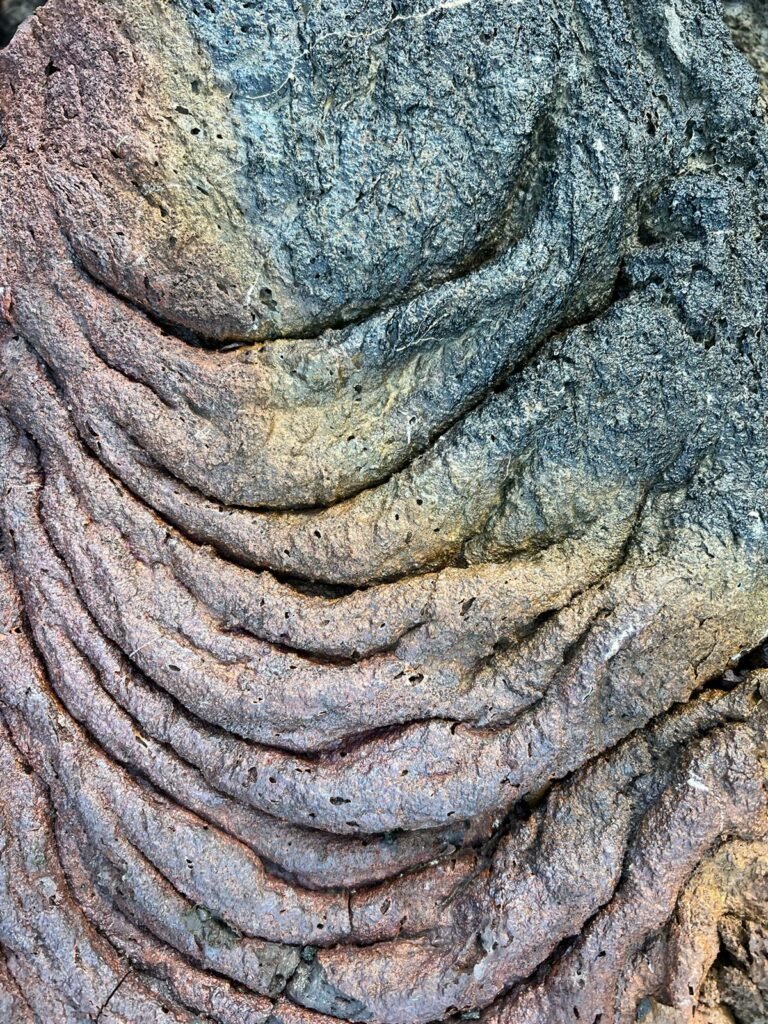
A Young Archipelago Born from Fire
Unlike continental islands that break away from larger land masses, the Galápagos Islands were created entirely by volcanic activity. Millions of years ago, magma rising from deep within the Earth’s mantle pierced the ocean floor, forming underwater volcanoes that eventually emerged above sea level.
Today, the archipelago consists of thirteen major islands, six smaller islands, and dozens of islets and rocky outcrops. While some islands are several million years old, others are still actively forming through ongoing volcanic processes.
This geological youth is one of the reasons the Galápagos remains such a dynamic and scientifically important place.
The Galápagos Hotspot: How the Islands Were Formed
The Galápagos Islands were created by a geological phenomenon known as a hotspot. A hotspot is a plume of extremely hot magma rising from deep within the Earth’s mantle. As the Nazca tectonic plate slowly moves eastward over this stationary hotspot, magma breaks through the ocean floor and forms volcanic islands.
This process has been occurring for millions of years and continues today. As older islands drift away from the hotspot, new islands emerge in the west, creating a chain of islands of different ages. This ongoing volcanic activity makes the Galápagos one of the most dynamic geological regions on Earth.
Why Some Islands Are Older Than Others
One of the most fascinating aspects of Galápagos geology is that not all islands are the same age. This is because the Nazca tectonic plate is constantly moving eastward over a stationary hotspot deep beneath the Pacific Ocean.
As new volcanoes form above the hotspot, older islands are gradually carried away by the movement of the tectonic plate. Over millions of years, these islands move farther from the hotspot, volcanic activity ceases, and erosion begins to reshape the landscape.
As a result, the eastern islands, such as San Cristóbal and Española, are the oldest in the archipelago. Their volcanoes have been inactive for millions of years, and erosion has softened their terrain.
In contrast, the western islands, including Fernandina and Isabela, sit directly above or close to the hotspot. These younger islands remain volcanically active and continue to grow through eruptions and lava flows.
This geological conveyor belt has created a remarkable chain of islands at different stages of development, providing scientists with a natural laboratory to study geology, evolution, and ecological succession.
Active Volcanoes of the Galápagos Islands
The Galápagos Islands are home to some of the most active volcanoes in the world. Most of these volcanoes are located on Isabela and Fernandina Islands, where eruptions continue to shape the landscape.
Volcanoes such as Sierra Negra, Wolf, Cerro Azul, Alcedo, Darwin, and Fernandina have all experienced eruptions in recent history. These volcanic events create new lava fields, alter coastlines, and provide scientists with valuable opportunities to study geological processes in real time.
Sierra Negra: One of the Largest Calderas on Earth
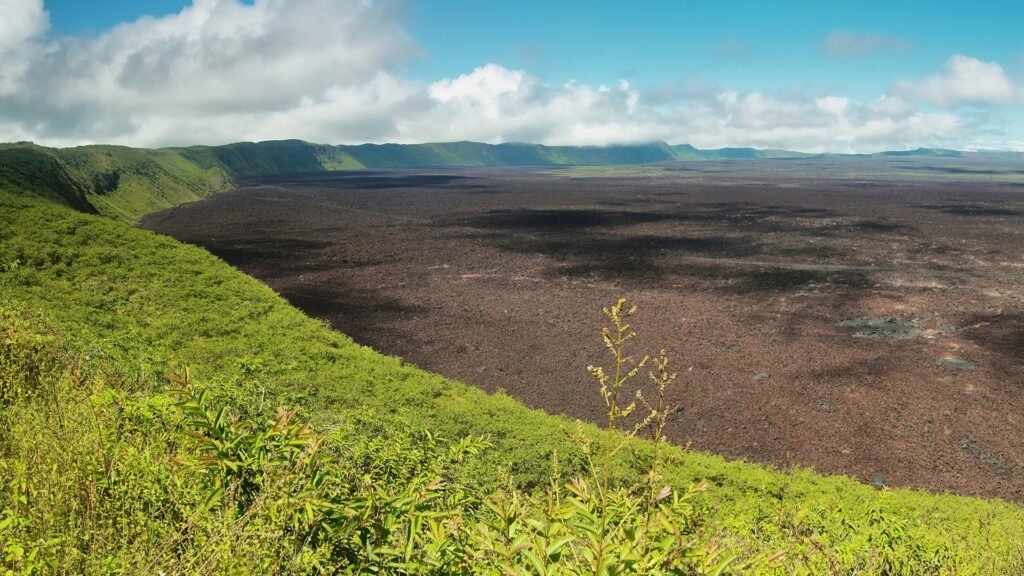
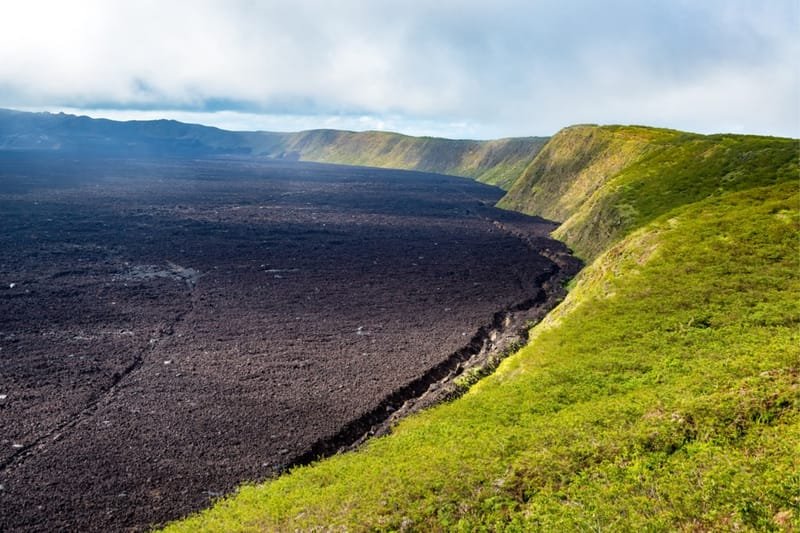
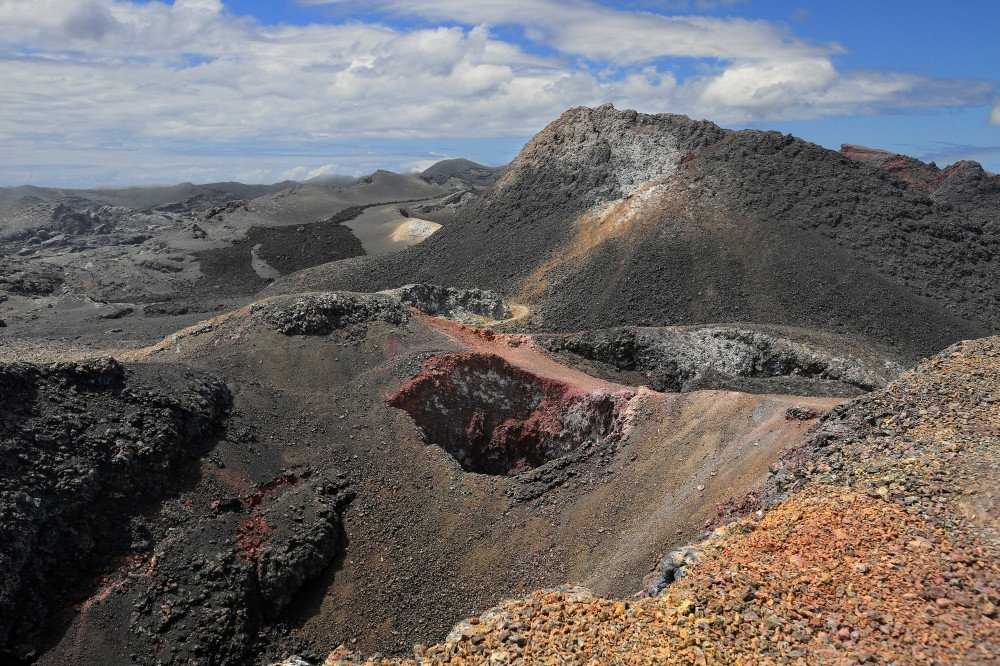
Located on Isabela Island, Sierra Negra is famous for having one of the largest volcanic calderas in the world. Its enormous crater stretches approximately 10 kilometers (6 miles) across and offers breathtaking views for visitors who hike its rim.
The volcano remains active and has experienced several eruptions in recent decades. Hiking across its lava fields provides a unique opportunity to witness the forces that continue to shape the Galápagos Islands today.
Fernandina: The Youngest and Most Active Island
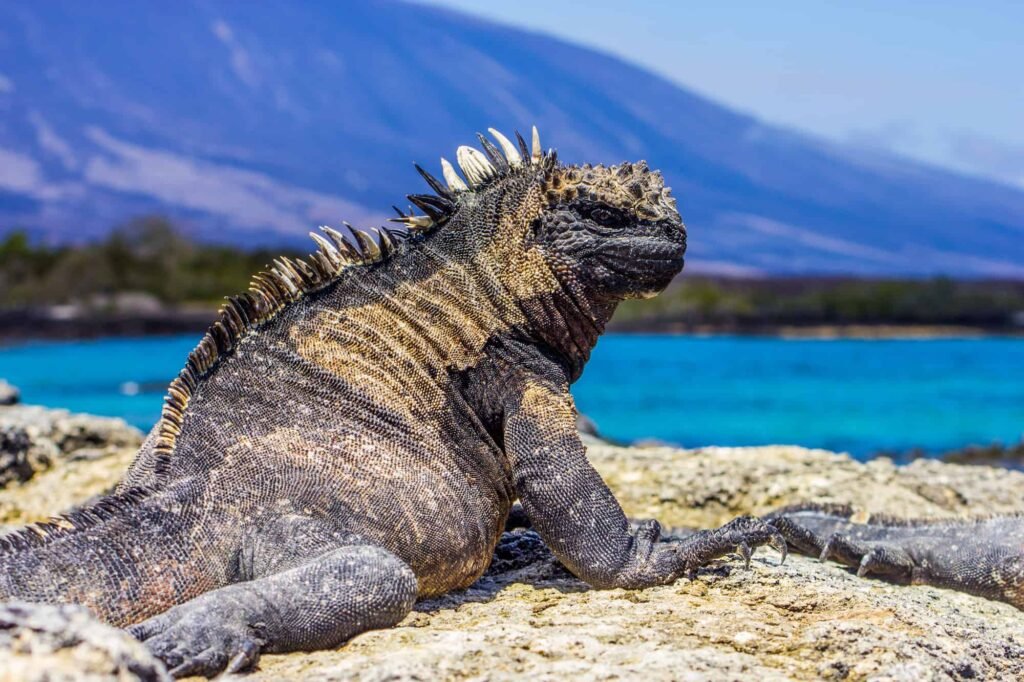
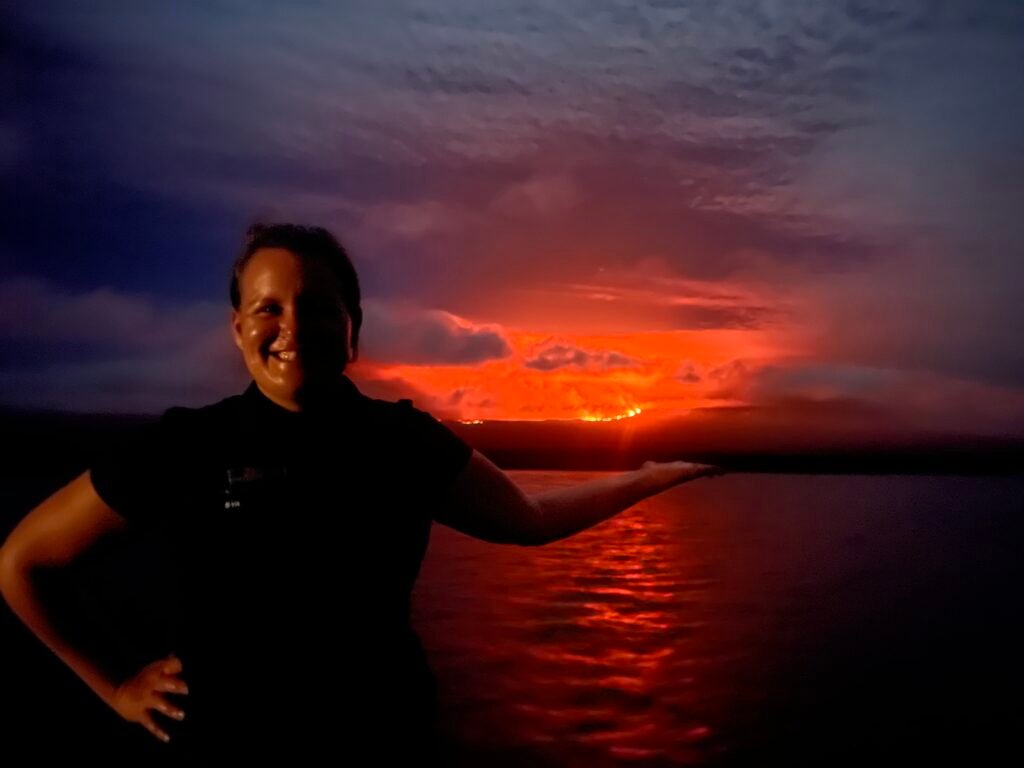
Fernandina is the youngest island in the Galápagos archipelago and one of the most pristine volcanic environments on Earth. Because it has never been inhabited by humans, its ecosystems remain remarkably intact.
Volcanic eruptions occur regularly on Fernandina, creating dramatic lava flows that reach the ocean and continually expand the island’s coastline. The combination of active geology and abundant wildlife makes Fernandina one of the most extraordinary destinations in the Galápagos.
Lava Landscapes and Geological Wonders
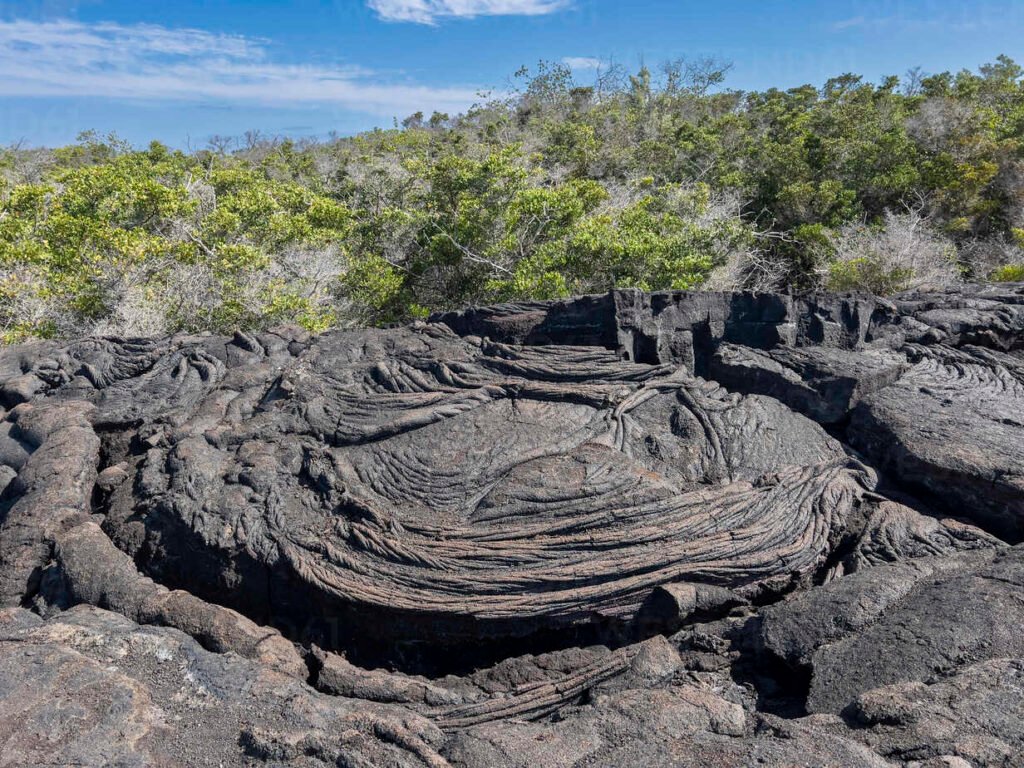
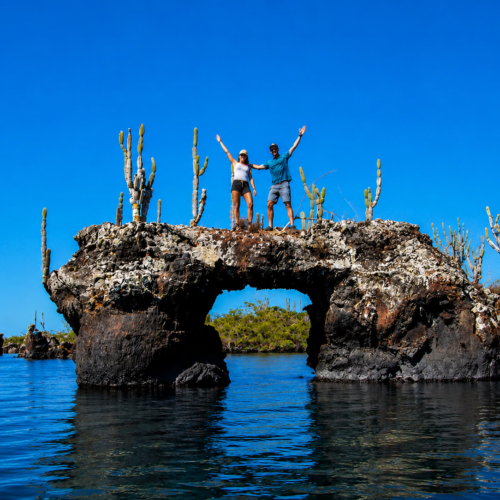
The Galápagos Islands are a showcase of volcanic landscapes rarely seen elsewhere in the world. Across the archipelago, visitors can explore lava fields, volcanic cones, lava tunnels, calderas, cliffs, and dramatic coastal formations created by millions of years of geological activity.
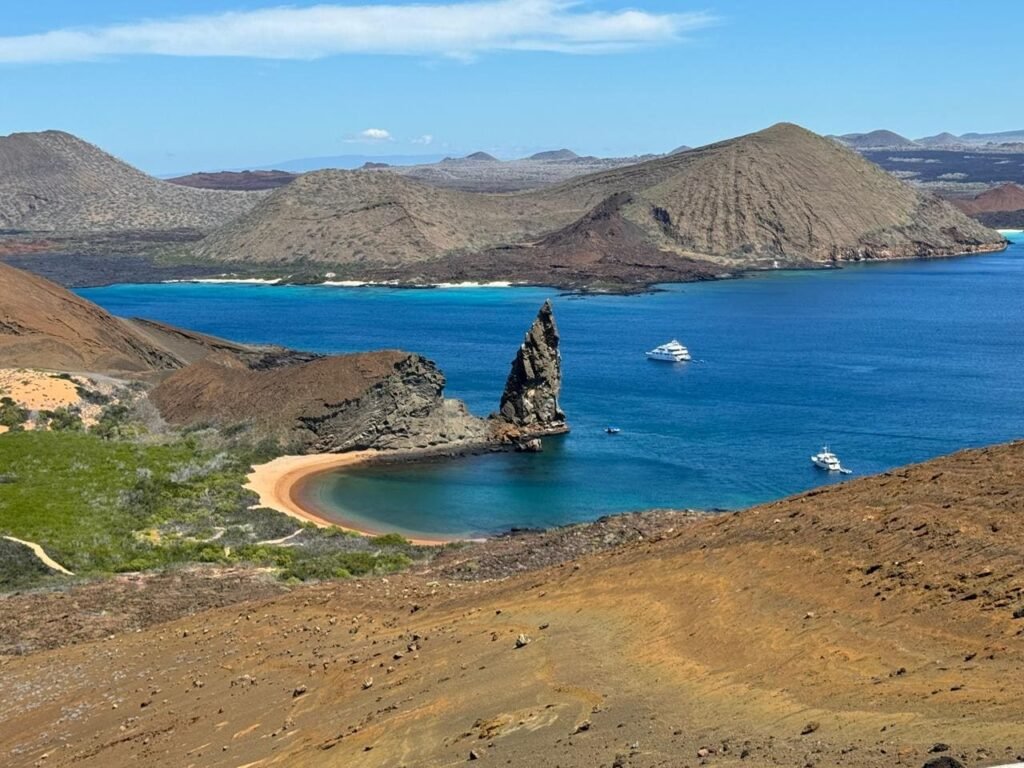
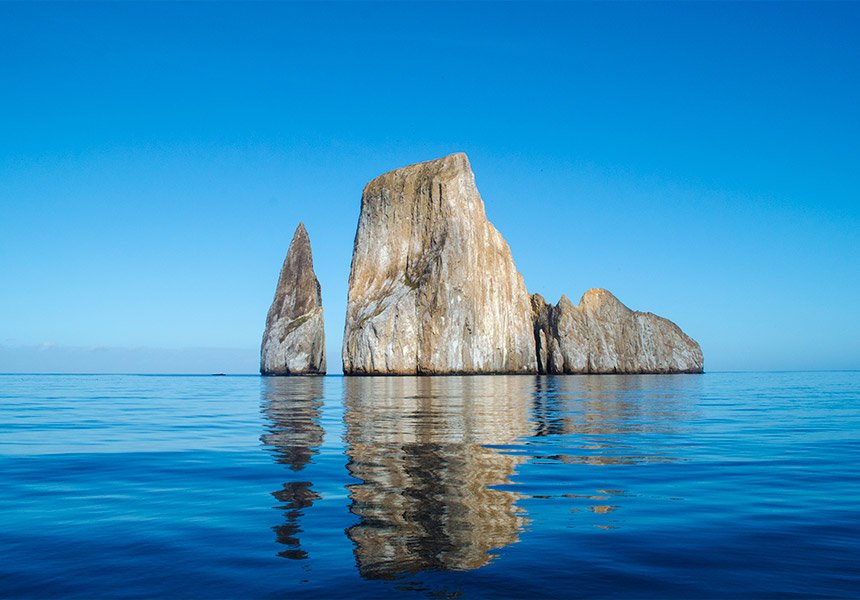
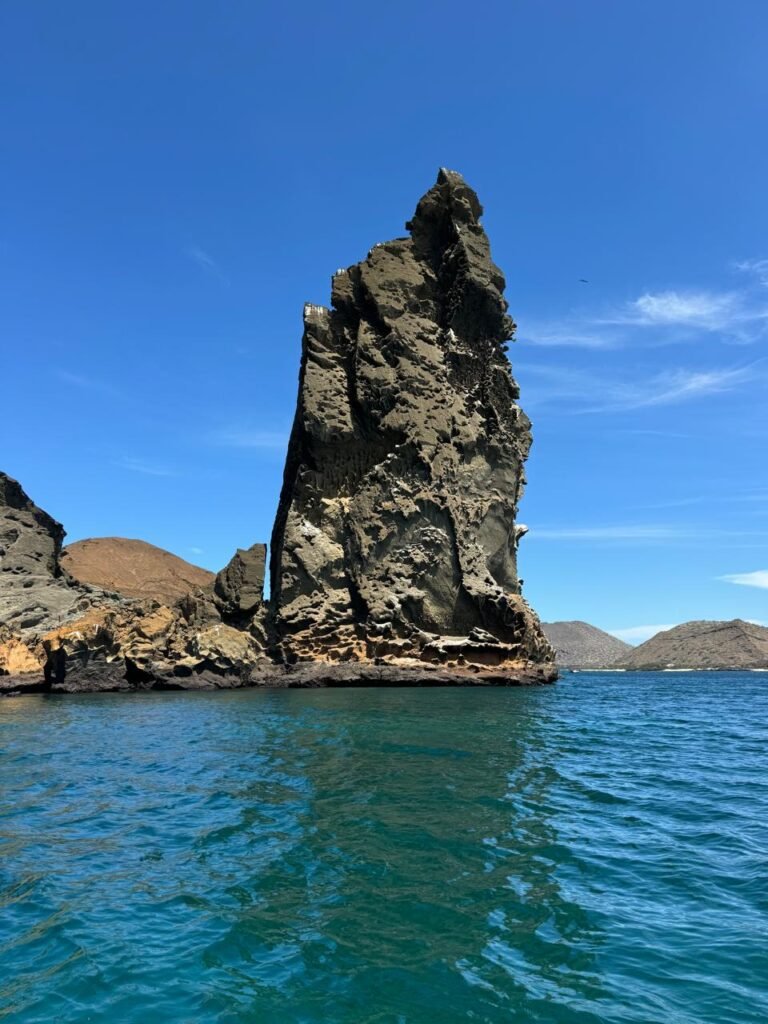
Some of the most spectacular examples include the lava flows of Sullivan Bay on Santiago Island, the lava tunnels of Santa Cruz, and the iconic Pinnacle Rock on Bartolomé Island. These formations provide a glimpse into the powerful volcanic forces that continue to shape the islands today.
Walking across a lava field in the Galápagos can feel like stepping onto another planet, with black basaltic rock, sparse vegetation, and landscapes that reveal the islands’ fiery origins.
How Geology Shaped Evolution in the Galápagos
The geology of the Galápagos Islands played a fundamental role in shaping the evolution of its unique wildlife. As new islands emerged and older islands changed over time, plants and animals became isolated from one another.
This isolation allowed species to adapt to different environments, eventually leading to the remarkable biodiversity found in the archipelago today. Giant tortoises, Darwin’s finches, marine iguanas, and many other endemic species evolved unique characteristics in response to the conditions found on individual islands.
When Charles Darwin visited the Galápagos in 1835, these differences helped inspire ideas that later contributed to the theory of evolution by natural selection. In many ways, the story of Galápagos wildlife begins with the geology that created the islands themselves.
Where Visitors Can Experience Galápagos Geology
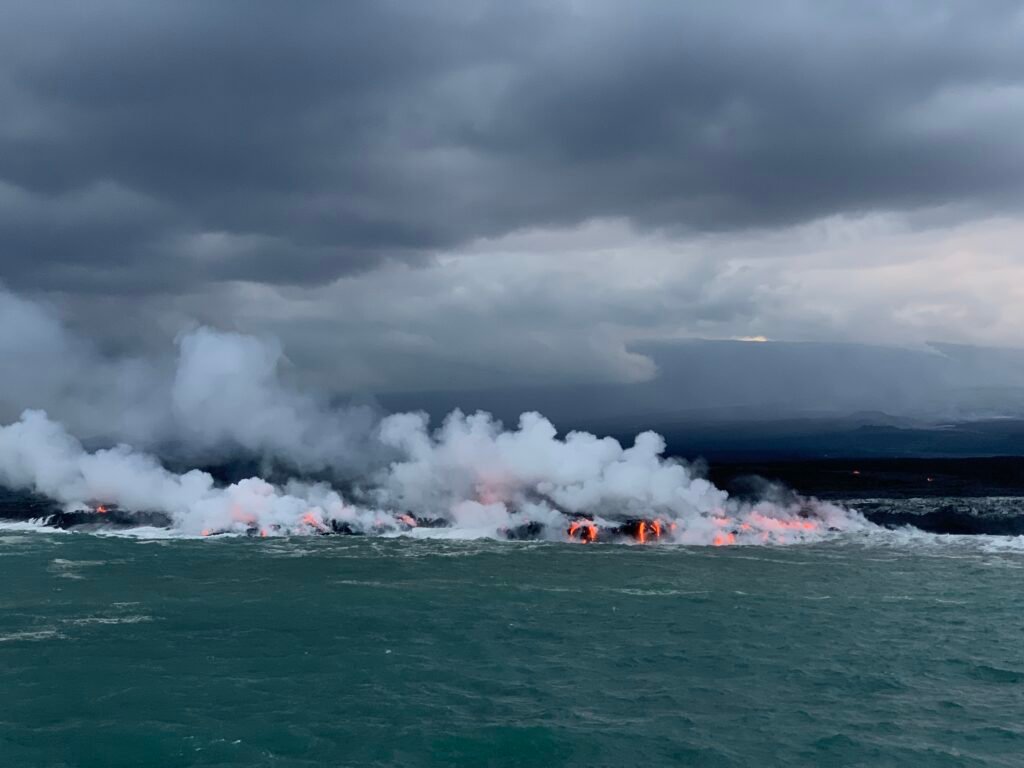
Visitors can experience the geological wonders of the Galápagos throughout the archipelago.
Some of the best locations include:
• Sierra Negra Volcano (Isabela Island) – One of the largest volcanic calderas in the world.
• Bartolomé Island – Home to Pinnacle Rock and some of the most iconic volcanic scenery in Galápagos.
• Sullivan Bay (Santiago Island) – Features remarkably preserved lava flows that appear almost untouched.
• Santa Cruz Highlands – Famous for extensive lava tunnels formed by ancient volcanic eruptions.
• Fernandina Island – One of the most active volcanic islands on Earth.
These sites allow visitors to witness the geological processes that continue to shape the Galápagos Islands.
Fun Geological Facts About the Galápagos
The Galápagos Islands are full of geological surprises. Here are a few fascinating facts:
• The islands are among the youngest oceanic archipelagos on Earth, with some islands still actively forming today.
• Fernandina is considered one of the most volcanically active islands in the world.
• The oldest exposed islands, such as Española, are more than three million years old, while some western islands are less than one million years old.
• The Galápagos hotspot continues to create new volcanic formations beneath the Pacific Ocean.
• Many of the lava tunnels found on Santa Cruz were formed when the outer surface of a lava flow cooled while molten lava continued flowing beneath it.
• Pinnacle Rock on Bartolomé Island was formed by volcanic processes and erosion and has become one of the most recognizable landmarks in the Galápagos.
• The islands are still moving eastward as the Nazca tectonic plate slowly drifts across the Pacific Ocean.
Final Thoughts
The Galápagos Islands are much more than a wildlife destination. Beneath every giant tortoise, blue-footed booby, and marine iguana lies a remarkable geological story millions of years in the making.
From the hotspot deep beneath the Pacific Ocean to the active volcanoes of Isabela and Fernandina, the forces of geology continue to shape the landscapes, ecosystems, and evolutionary processes that make the Galápagos so extraordinary.
Understanding the islands’ volcanic origins adds a deeper appreciation to every visitor experience. Whether hiking across ancient lava fields, exploring volcanic tunnels, or standing on the rim of Sierra Negra, you are witnessing a living laboratory where geology, biology, and time come together in one of the most fascinating places on Earth.
The story of the Galápagos begins with fire—but it continues through the incredible diversity of life that evolved upon these volcanic islands.
Frequently Asked Questions
How old are the Galápagos Islands?
The Galápagos archipelago is geologically young by continental standards, with the oldest existing islands — San Cristóbal and Española, in the east — estimated at roughly 3 to 5 million years old. The islands were formed one after another as the Nazca tectonic plate slowly drifted eastward over a fixed volcanic hotspot beneath the Earth’s crust, meaning older islands progressively moved away from the hotspot’s active center while new islands formed above it. The westernmost islands, Isabela and Fernandina, are the youngest and remain actively volcanic today — a clear east-to-west age gradient that mirrors the plate’s direction of movement over millions of years.
Are the Galápagos Islands still forming today?
Yes — the Galápagos hotspot remains active beneath the western islands, and Fernandina and parts of Isabela (particularly Sierra Negra and Cerro Azul) are among the most volcanically active locations on Earth, with eruptions occurring on the scale of once every decade or so in recent history. Each new lava flow technically adds new land to the islands, meaning the archipelago’s total surface area is, in a slow and irregular way, still growing. It’s one of the reasons the western Galápagos feels geologically raw compared to the more eroded, vegetated eastern islands — the landscape is, quite literally, still being made.
Which Galápagos island is the youngest, and which is the oldest?
Fernandina is generally considered the youngest major island in the archipelago, still forming through frequent volcanic activity and estimated to be under a million years old. San Cristóbal and Española, at the eastern end of the island chain, are the oldest, having drifted furthest from the hotspot that created them over several million years, which is also why they show more erosion, more established vegetation, and more developed soil than the stark lava landscapes of the western islands.
Is it safe to visit an active volcano in the Galápagos?
Yes, when visiting with a licensed naturalist guide as required by the National Park — access to any currently active volcanic site, such as Sierra Negra, is carefully managed and monitored, and guided hikes stay on established, safe routes rather than approaching active vents or unstable flow zones. The Galápagos’ active volcanoes are closely tracked by Ecuadorian geological monitoring agencies, and visitor access is adjusted or restricted whenever activity levels warrant it. The volcanic hikes offered on our tours follow the same routes used safely for years, well outside any hazard zone.

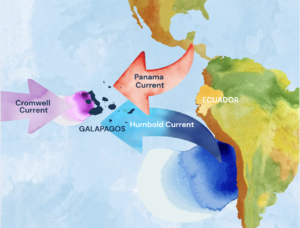
Understanding Galápagos Ocean Currents and Their Impact on Wildlife
Why is the Galápagos home to such extraordinary wildlife? The answer lies beneath the surface. Four major ocean currents converge around the archipelago, bringing nutrients,
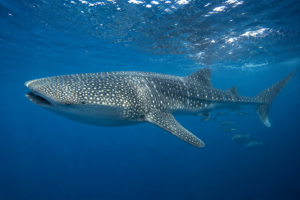
Can Killer Whales Really Kill a Whale Shark? Inside a Brand-New Scientific Discovery
Can Killer Whales Really Kill a Whale Shark? Inside a Brand-New Scientific Discovery Picture the largest fish in the ocean — longer than a city
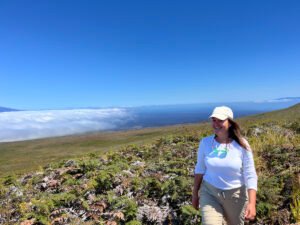
Galapagos Islands Local Advice: What to Know Before You Come
I grew up here — let me show you the magic that still lives in these islands. When people ask me what it’s like to