

I grew up here — let me show you the magic that still lives in these islands.
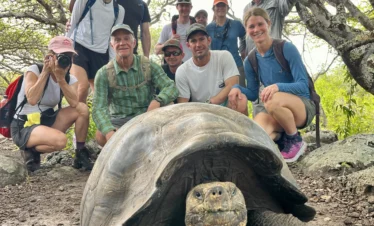
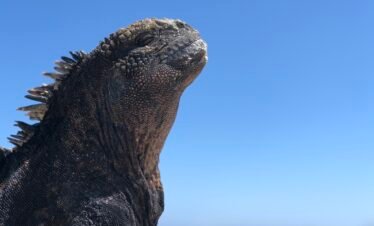
When people ask me what it’s like to grow up in the Galápagos, I always smile. Imagine playing on volcanic beaches with marine iguanas as neighbours, walking home from school and spotting giant tortoises crossing the road. That was my childhood.
I’ve watched these islands change. More visitors, more hotels, more boats in the harbour. But here’s the truth: the wildlife — the magic that brings people from all over the world — is still as wild and pristine as ever.
And if you do it right, you won’t just visit the Galápagos — you’ll feel part of something ancient and untamed. Let me help you do it right.
Why You Should Come
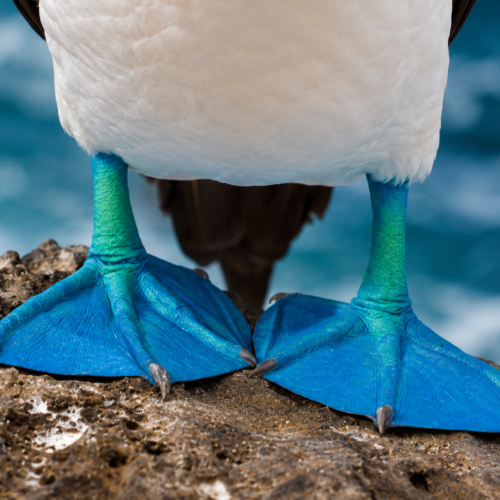
I still get goosebumps watching a blue-footed booby do its funny little dance. I still pause when I see a giant tortoise slowly making its way through the highlands.
These islands are a reminder of what the world looked like before humans took over. Animals aren’t scared of you here. They go about their business, and you’re just lucky to watch.
When to Visit — And What You’ll See
There’s beauty all year round, but the islands tell different stories in different seasons.
January to May: Warm, with clear skies after short rains. You’ll see green landscapes, nesting marine iguanas, and plenty of baby wildlife.
June to December: Cooler, with rich ocean currents. This is when the sea explodes with life — whale sharks, manta rays, and large schools of fish.
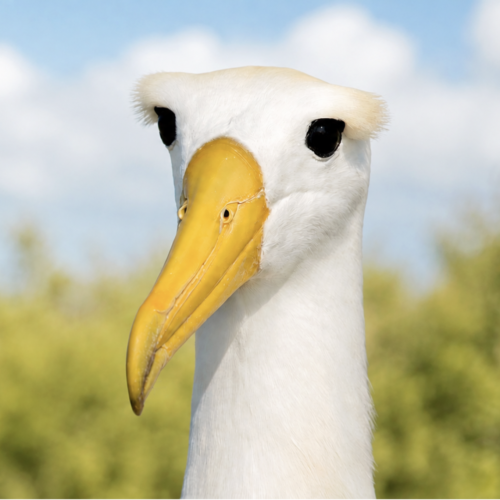
If you dream of spotting the waved albatross, come in the spring or summer when they gather on Española Island. More info about weather click here https://nautiexpeditions.com/best-best-time-to-visit-galapagos-for-wildlife-weather/
Land or Sea?
Land-based: Mix your stay on islands Santa Cruz, San Cristóbal or Isabela. Great if you want to relax, enjoy local life, and take day trips. Perfect for families or if you’re prone to seasickness.
Cruise-based: My personal favourite. You wake up in a new spot every morning. Less travel hassle, more wildlife, and access to remote islands most day trips don’t reach.
If you’re adventurous, I’d say: book the cruise. It’s the best way to understand the islands’ full diversity.
My Favourite Islands (And Why)
Every island has its charm — and if you ask me, In Galápagos, You Can’t Go Wrong… But Here’s What I Recommend:
Española: This is where magic feels effortless. You’ll stand on white sand beaches, sharing space with sea lions, and look up to see the elegant waved albatross nesting nearby. It’s a place that feels untouched and pure.
Genovesa: I call this “Bird Island.” If you love frigatebirds, red-footed boobies, and other seabirds, this is your paradise. It’s like stepping into a natural aviary.
Bartolomé: Everyone knows this view. Climb to the top and see Pinnacle Rock — the postcard-perfect panorama. But trust me, standing there in the silence, looking out over the volcanic landscape, it’s so much more than a photo. Plus some penguins.
Floreana: This island tells stories. Pirates, mysterious settlers, a floating postal barrel that still works — if you love legends and human history mixed with nature, this is the place.
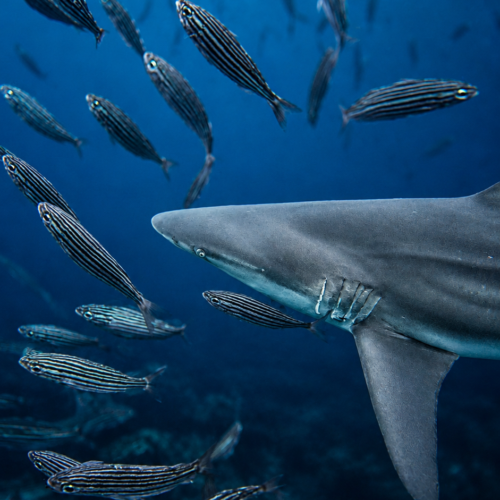
Kicker Rock (León Dormido) and Gordon Rocks: If you’re a diver, these are non-negotiable. Here’s where you come face-to-face with hammerhead sharks, plus rays, turtles, and massive schools of fish swirling around volcanic walls.
North Seymour: If you want to see frigatebirds puffing up their red chests and blue-footed boobies performing their courtship dance, this island never disappoints.
Isabela: My personal favourite for wildlife variety. Where else can you see sea turtles, penguins, flightless cormorants, and often whales, all in one place? Plus, the volcanic landscapes feel like you’ve landed on another planet.
Santa Cruz: The heart of the islands. Here, you’ll find giant tortoises roaming free in the highlands, and the Charles Darwin Research Station doing incredible conservation work.
San Cristóbal: If you love sea lions, this is their kingdom. They nap on benches, play in the waves, and lounge along the waterfront like they own the place (and they kind of do). It’s also one of the best spots for surfing — with reliable breaks and crystal-clear waters. After a morning in the waves, you can share the beach with the locals…
What You Should Bring (Learned from Experience)
- Good walking shoes for volcanic terrain.
- Flip-flops for the beach and boat decks.
- Light jacket for sudden showers.
- High-SPF reef-safe sunscreen — the sun here is unforgiving.
- Motion sickness tablets if you’re cruising.
- A reusable water bottle — please help us keep the islands clean.
- A Few Local Tips to Travel Right
- Keep your distance. Animals are curious, but don’t touch or feed them.
- Stay on trails.
The islands are fragile.
Be patient. The best wildlife moments happen when you stop rushing and just observe.
Bring cash for park fees: $200 entry and $20 transit card — both paid in cash on arrival.
Books I Recommend
Read On the Origin of Species — you’ll appreciate Darwin’s brilliance when you stand where he stood.
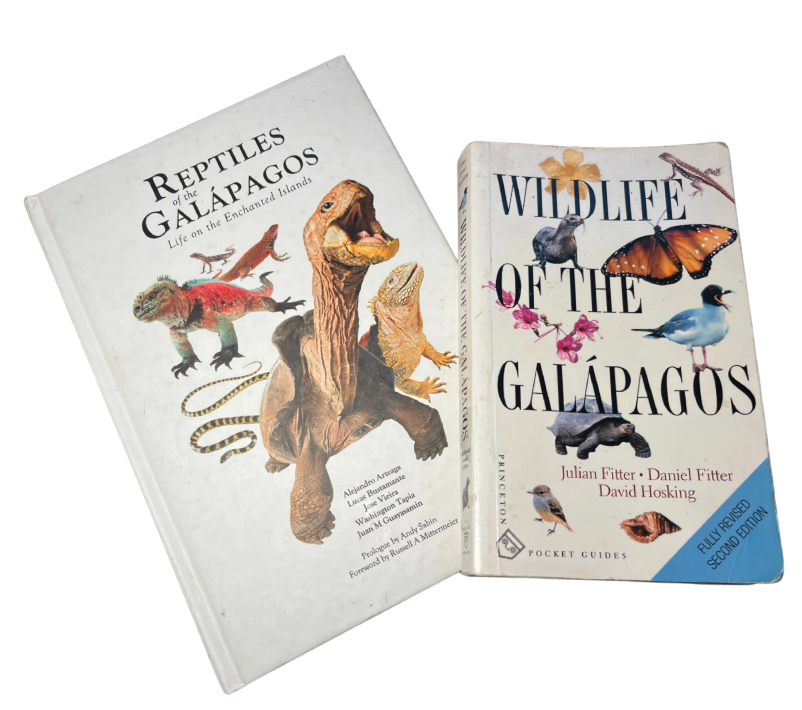
The Galapagos: A Natural History Guide by Michael H. Jackson is one of the most comprehensive introductions to the islands’ wildlife, geology, history, and visitor sites. It’s an excellent companion whether you’re traveling on a cruise or exploring the islands independently.
For wildlife identification, Wildlife of the Galapagos by Julian Fitter, Daniel Fitter, and David Hosking is one of the most practical field guides available. It’s compact, easy to carry, and helps visitors identify many of the species they encounter during their trip.
For those particularly interested in reptiles, Reptiles of the Galapagos offers a fascinating look at marine iguanas, lava lizards, giant tortoises, and other remarkable species found in the archipelago.
The Magic is Still Here
Yes, we have more visitors. Yes, there are more hotels and restaurants than when I was a kid. But the magic of these islands is still alive. The wildlife still lives by its own rules, and you’ll feel it the moment you step onto the lava-rock shores.
So come. Walk slowly. Watch closely. Be part of this living, breathing wonder.
And if you ever see a giant tortoise blocking your path, don’t rush it. Just wait. That’s how life moves here — slowly, deliberately, beautiful
Frequently Asked Questions
How much does it cost to enter the Galápagos National Park?
Foreign adult visitors pay a $200 USD National Park entrance fee, plus a separate $20 USD Transit Control Card required of every visitor regardless of age — together, roughly $220 USD in unavoidable government fees per adult, paid in cash on arrival. Foreign children under 12 pay a reduced $100 park fee. These fees are separate from whatever you pay your tour operator, and go directly toward funding park rangers, invasive species control, and marine reserve management across the islands.
Do I need a visa to visit the Galápagos?
Most travelers — including from the US, Canada, the UK, and the EU — can enter Ecuador and the Galápagos visa-free for up to 90 days with just a valid passport (with at least six months’ remaining validity). Since the Galápagos is part of Ecuador, no separate island-specific visa exists; your passport is simply checked again on arrival alongside your Transit Control Card. If you hold a passport from outside this visa-free list, confirm Ecuador’s current entry requirements for your nationality before booking flights.
Do I need any vaccinations to visit the Galápagos?
For most international travelers, no vaccinations are legally required. As of May 2025, Ecuador only requires proof of yellow fever vaccination from travelers arriving from, or who have recently spent 10+ days in, Peru, Colombia, Bolivia, or Brazil — travelers coming directly from North America, Europe, or elsewhere, including for Galápagos-only trips, are exempt. Routine vaccinations are still a good general precaution for any international travel, and it’s worth checking current guidance with a travel clinic before your trip.
Is the Galápagos safe to visit?
Yes — the Galápagos is one of the safest destinations in South America, with very low crime rates due to its isolation, small population, and tourism-dependent economy. The safety factors that actually matter here are environmental: strong equatorial sun, dehydration risk on longer hikes, and following your guide’s instructions around wildlife and water conditions. Every protected visitor site legally requires a certified naturalist guide, which functions as a safety measure as much as a conservation one.
What currency should I bring, and is tipping expected?
The Galápagos uses the US dollar, so no currency exchange is needed for American travelers, but bring smaller bills since change can be scarce in smaller towns, and always carry enough cash for park fees since card readers there are unreliable. Tipping isn’t mandatory but is customary and appreciated — a common guideline is $10–15 USD per guest per day for your naturalist guide — and represents meaningful income for local guides and crew supporting families in the islands.

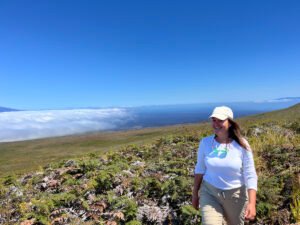
Galapagos Islands Local Advice: What to Know Before You Come
I grew up here — let me show you the magic that still lives in these islands. When people ask me what it’s like to
Do Blue Whales From Two Different Hemispheres Meet in the Galápagos?
GALAPAGOS BLUE WHALES The blue whale is the largest animal known to have ever existed on Earth — larger than any dinosaur, its heart alone
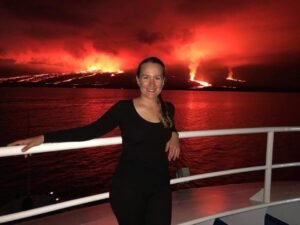
How the Galápagos Islands Were Formed: Volcanoes, Lava, and Evolution
When most people think of the Galápagos Islands, they picture giant tortoises, blue-footed boobies, and marine iguanas. Yet beneath this remarkable wildlife lies an equally